
Khalil and former activists sue Columbia over alleged failure to protect them from harassment
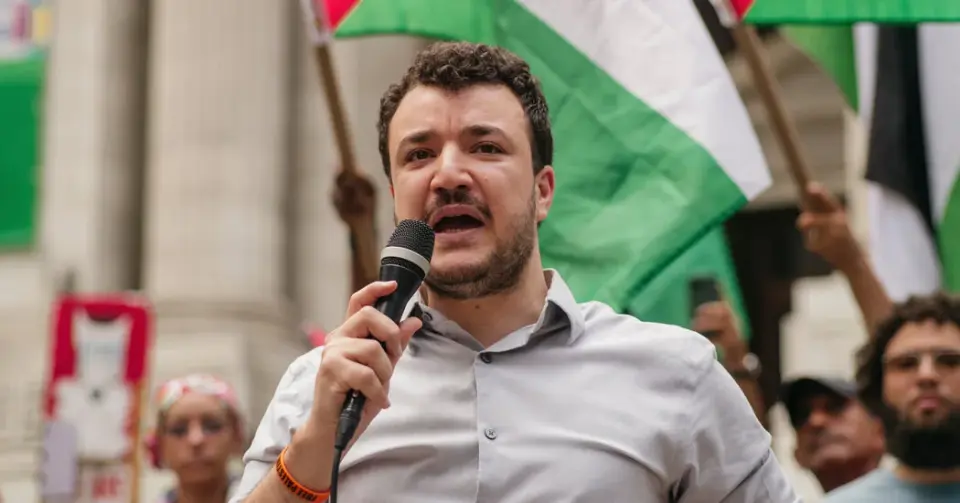
Mahmoud Khalil and other former pro-Palestinian student activists have filed a federal lawsuit against Columbia University, accusing the institution of deliberate indifference to severe harassment they faced. Khalil, who was detained by ICE in March 2025, claims he repeatedly requested protection from administrators before his arrest but received no assistance. The lawsuit alleges the university failed to address threats stemming from their advocacy, even prior to the 2023 Hamas attacks.
Key points
- Mahmoud Khalil and a group of former pro-Palestinian student activists filed a federal lawsuit against Columbia University on Monday.
- The plaintiffs accuse the university of being deliberately indifferent to persistent and severe harassment they experienced due to their advocacy.
- Khalil, 31, was arrested by Immigration and Customs Enforcement officers at his Columbia apartment building on March 8, 2025, despite being a legal permanent resident with no criminal charges.
- He spent 104 days in detention, missing the birth of his first child.
- Khalil stated in an interview that he repeatedly asked Columbia administrators for help against escalating threats before his arrest but did not receive assistance.
- The lawsuit claims the university failed to address these threats even before the 2023 Hamas attacks.
Background
This lawsuit follows the broader context of tensions between pro-Palestinian student movements and university administrations, as well as ongoing international debates regarding Israel-Palestine relations. Recent archive entries highlight efforts to preserve Palestinian cultural heritage, such as the relocation of Raja Shehadeh’s diaries to Scotland, and diplomatic calls for sanctions against Israel, reflecting the sustained global focus on the conflict and its impact on civil society and academic institutions.
Why it matters
The case highlights the legal and safety challenges faced by student activists advocating for Palestinian rights, particularly regarding institutional responsibility for student safety and the intersection of immigration enforcement with campus activism. It raises questions about the duty of universities to protect students from external threats linked to their political expression.
What to watch
The federal lawsuit will proceed through the judicial system, potentially leading to hearings on the university’s liability and the adequacy of its response to the plaintiffs’ requests for protection. The outcome may set precedents for how institutions handle security concerns related to student activism.
Want the full story? Read the original reporting
Read on The New York Times