
Bessent Warns Iran Faces Economic Collapse as Final Oil Shipments to China Conclude
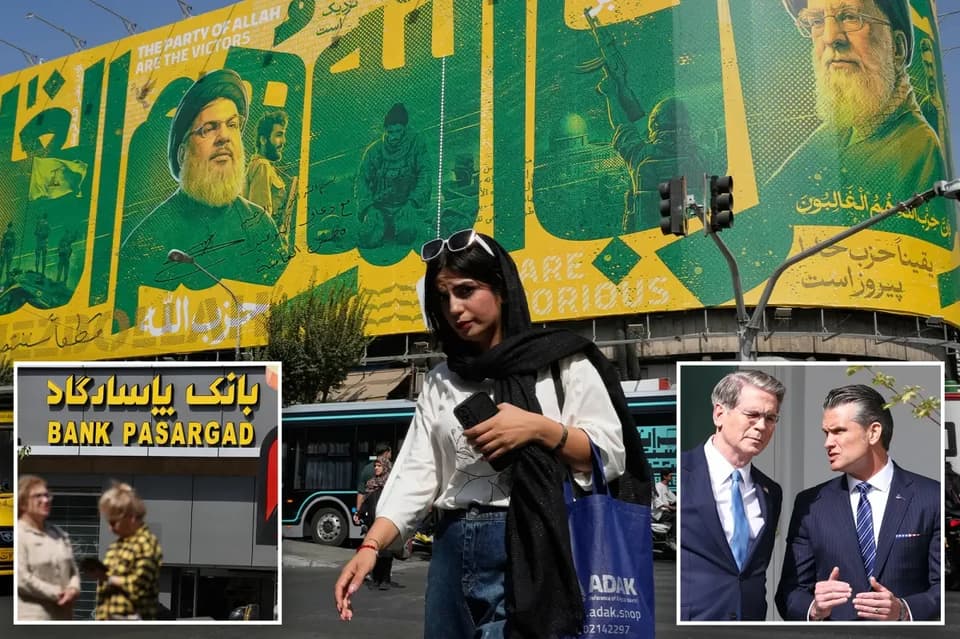
Treasury Secretary Scott Bessent stated on September 27 that Iran’s economy will have 'nothing to trade' within two weeks after its final oil deliveries to China. He cited the US blockade and 'Operation Economic Outcast' as key drivers of this collapse, arguing that Tehran’s desperation will force it to accept stricter terms in future negotiations.
Key points
- Bessent claims only 15 million barrels of Iranian oil remain in transit, marking the end of Tehran's primary revenue source.
- The US has implemented a sweeping blockade, cutting off vessels from entering or leaving Iran since the July Memorandum of Understanding collapsed.
- Trump rejected Iran’s latest ceasefire proposal, which offered to reopen the Strait of Hormuz in exchange for unfreezing $12 billion in assets and lifting sanctions.
- Bessent asserts that Iran is now a 'pariah state' and that its economic isolation will ensure compliance with any future deal.
- Iranian President Masoud Pezeshkian has indicated that Tehran remains willing to negotiate, despite the rejected proposal.
Background
This escalation follows a period of intense economic pressure on Iran, including hyperinflation concerns and a failed bond market gambit by Bessent. In late August, Iran’s central bank defended its stability against claims of hyperinflation, while economists warned of triple-digit inflation in poorer regions. The current blockade intensifies these pressures, aiming to force Tehran into a more compliant diplomatic stance after previous negotiations collapsed.
How outlets are covering it
New York Post and Fox News align on Bessent’s prediction of imminent economic collapse, emphasizing the 'Operation Economic Outcast' campaign. Washington Times frames the situation as a strategic move to ensure Iran adheres to future terms, highlighting the US goal of making Tehran 'stick to it' due to its weakened state. All sources agree that the blockade and oil cutoff are central to the US strategy, though Fox News and NY Post focus more on the immediate economic impact, while Washington Times emphasizes the long-term diplomatic leverage.
Why it matters
The potential collapse of Iran’s oil revenue could destabilize the region, forcing Tehran into a more vulnerable position in negotiations. This could lead to stricter US terms or, conversely, provoke a more aggressive Iranian response if the pressure becomes unsustainable. The outcome will influence global oil markets and US-Iran relations in the near term.
What to watch
Watch for Iran’s response to the rejected ceasefire proposal and any signs of economic distress in the coming weeks. Monitor the Strait of Hormuz for any disruptions or changes in traffic, as well as any new diplomatic overtures from Tehran. The US may adjust its blockade or sanctions based on Iran’s actions, potentially leading to further escalation or a new round of negotiations.
- Iran’s economy will have ‘nothing’ left ‘within two weeks,’ Scott Bessent warns New York Post
- Bessent: Iran Economy Will Have 'Nothing' in 2 Weeks Yahoo
- Bessent says Iran will have 'nothing left to trade' within two weeks as oil lifeline dries up Fox News
- Bessent predicts Iran’s economic collapse ‘in the next two weeks’ washingtontimes.com
- China ‘substantially reduced’ assistance to Iran, US says Middle East Eye
Want the full story? Read the original reporting
Read on New York Post