
Argentine Court Orders Return of Nazi-Looted Painting to Goudstikker Heir
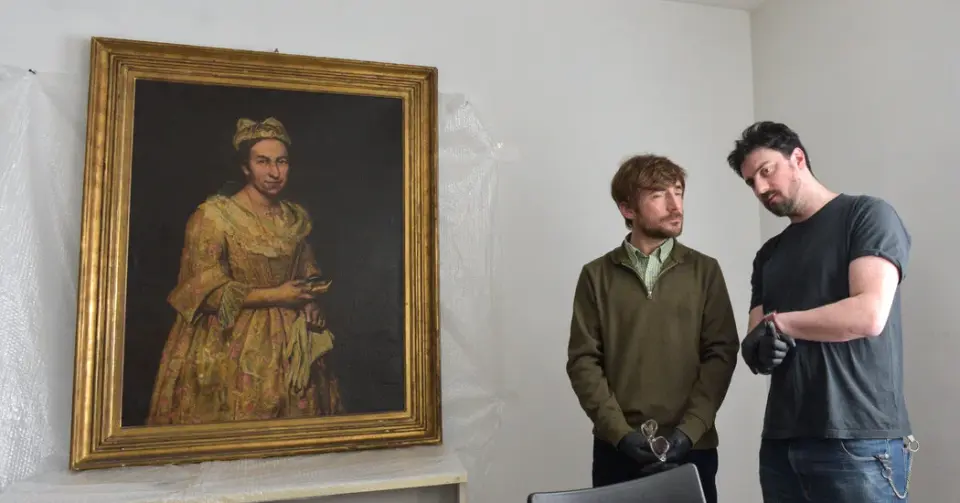
An Argentine judge has ordered the return of an 18th-century painting looted by the Nazis to the heir of Dutch art dealer Jacques Goudstikker. The artwork, 'Portrait of a Lady,' was discovered in 2025 in the home of Patricia Kadgien, daughter of a high-ranking Nazi official, in Mar del Plata. In a settlement, Kadgien and her husband avoided criminal prosecution in exchange for returning the painting and making a charitable donation. The painting will be exhibited in Argentina before being transferred to Goudstikker's daughter-in-law and sole heir, Marei von Saher.
Key points
- An Argentine judge ruled that 'Portrait of a Lady,' an 18th-century painting looted by the Nazis in 1940, must be returned to the heir of Dutch art dealer Jacques Goudstikker.
- The painting was discovered in August 2025 in a real estate listing for a home in Mar del Plata, Argentina, belonging to Patricia Kadgien, the daughter of Nazi financier Friedrich Kadgien.
- Kadgien and her husband, Juan Carlos Cortegoso, were charged with concealment but reached a settlement to avoid trial, agreeing to return the painting and donate approximately $3,200 to local hospitals.
- The painting will be exhibited at the Holocaust Museum of Buenos Aires before being transferred to Marei von Saher, Goudstikker's daughter-in-law and sole heir.
- Experts now believe the painting was created by Giacomo Ceruti rather than Giuseppe Ghislandi, as previously thought.
Background
This case is part of a broader effort to recover artworks looted from Jacques Goudstikker, a Dutch Jewish art dealer whose collection of over 1,400 works was seized by the Nazis in 1940. Goudstikker fled the Netherlands with his family, but many of his artworks remained in Europe and were distributed among Nazi officials. His widow preserved a notebook cataloging his collection, which has been instrumental in legal efforts to reclaim the artworks. This is the latest in a series of restitutions, with the Dutch state having recovered and returned approximately 300 works to Goudstikker's heirs in previous years.
How outlets are covering it
The New York Times and The Guardian both emphasize the legal and historical significance of the ruling, highlighting the decades-long effort to recover Goudstikker's collection. The BBC focuses on the settlement aspect, noting that Kadgien and Cortegoso avoided prosecution in exchange for returning the painting and making a donation. DutchNews.nl provides additional details on the charitable donation, specifying that each couple member will pay 2.4 million pesos to a local hospital. All sources agree on the core facts but differ in emphasis, with some highlighting the legal process and others the humanitarian or charitable aspects of the settlement.
Why it matters
This ruling is a significant step in the ongoing effort to recover artworks looted by the Nazis during World War II. It demonstrates the continued relevance of historical justice and the importance of international cooperation in addressing the legacy of wartime atrocities. The case also highlights the role of modern technology, such as online real estate listings, in uncovering long-lost artifacts and bringing them to light for restitution.
What to watch
The painting will be exhibited at the Holocaust Museum of Buenos Aires before being transferred to Marei von Saher. Von Saher and her family continue to pursue the recovery of other artworks from Goudstikker's collection, aiming to restore his legacy. The case may also inspire further legal actions to recover other looted artworks from Nazi-era collections.
- Nazi-Looted Painting Must Be Returned to Heir, Argentine Judge Rules The New York Times
- Nazi-looted painting must be returned to Jewish art dealer’s heir, Argentina court rules The Guardian
- Argentine couple to return Nazi-looted painting to rightful owner BBC
- Nazi’s daughter gives up looted Goudstikker painting DutchNews.nl
- Argentine court clears return of Nazi-looted portrait to Jewish dealer’s heir Santa Fe New Mexican
Want the full story? Read the original reporting
Read on The New York Times