
Cuba’s grid fails for sixth time this year as US oil blockade deepens energy crisis
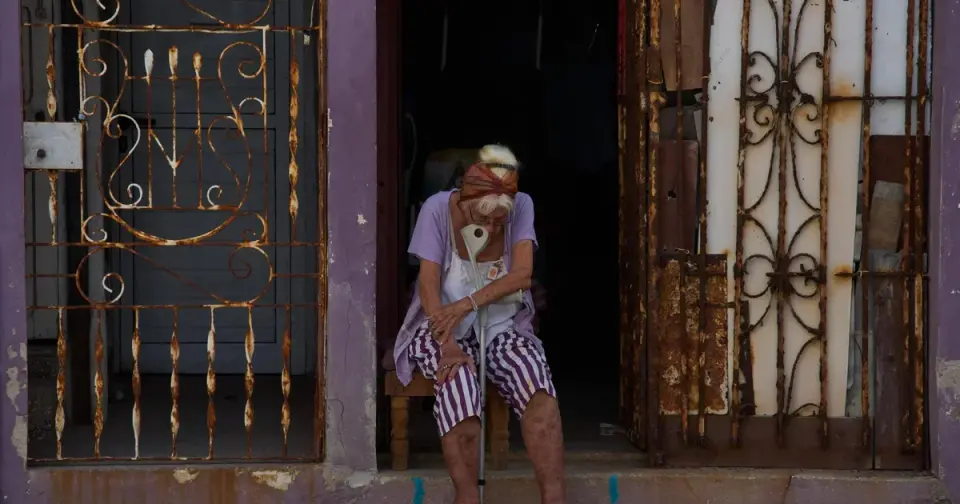
Cuba suffered its sixth major power grid collapse this year on September 18, 2026, leaving millions without electricity. The outage, triggered by transmission faults and poor weather in western Cuba, cascaded island-wide. Restoration is slow, with only 5% of Havana’s users receiving power by dusk. The crisis is exacerbated by a US-imposed oil blockade that has cut fuel imports to near zero, leaving aging infrastructure without maintenance or fuel.
Key points
- The national grid collapsed on Friday, September 18, 2026, due to transmission line failures in western Cuba and unstable weather conditions.
- This is at least the sixth major blackout this year, following incidents in March, July, and early August.
- By dusk, only 5% of Havana’s 862,000 customers had power restored; micro-islands were established in Camagüey, Pinar del Río, and Granma.
- The US oil blockade, enforced via tariffs on countries selling fuel to Cuba, has left only one Russian tanker delivery since January.
- Hospitals and water pumping stations were prioritized for restoration, but daily life, including cooking and water supply, remains severely disrupted.
Background
Cuba’s energy infrastructure has deteriorated significantly over the past two years due to economic crisis and aging equipment. The situation worsened in January 2026 when the US imposed an energy blockade, cutting off fuel imports essential for thermoelectric plants. Previous outages in 2026 have led to transportation limits, flight cancellations, and public health emergencies. The current blackout is part of a pattern of frequent, prolonged outages that have become routine for residents.
How outlets are covering it
CBS News emphasizes the humanitarian impact, citing residents who describe a 'sad state' with no food, water, or electricity, and notes the US administration’s quiet examination of military options. Fox News highlights the US Embassy’s warnings to citizens and frames the grid collapse as a result of the US-imposed oil blockade and crumbling infrastructure, noting the outage is the seventh this year. BBC focuses on the technical cause—a transmission fault coupled with poor weather—and highlights the scarcity of food and medicine, as well as rare protests sparked by the repeated blackouts. All sources agree on the severity of the outage but differ in emphasis: CBS and Fox focus on the US blockade’s role, while BBC notes internal management issues and the immediate technical failure.
Why it matters
The repeated blackouts expose the fragility of Cuba’s energy system under US sanctions and highlight the humanitarian toll on millions of residents. The crisis affects basic services like water, cooking, and healthcare, while also straining diplomatic relations. The US blockade aims to force political change, but the resulting suffering has led to rare protests and international criticism, complicating the US’s diplomatic goals.
What to watch
Power restoration is ongoing, with gradual reactivation of systems in priority areas. The US continues to enforce the oil blockade, while Cuba seeks alternative fuel sources. Diplomatic efforts to transition to a technocratic government have stalled, and the US has not decided on military action despite reviewing options. Residents face continued uncertainty, with no clear timeline for full restoration.
- Cuba's power grid collapses again, leaving millions without electricity for at least 6th time this year CBS News
- Cuba plunges into total blackout as electrical grid collapses again, US Embassy warns Fox News
- Cuba blackout leaves millions without power again BBC
- Cuba faces another nationwide blackout amid US fuel blockade dw.com
- Cuba's electrical grid collapses again, plunging island into darkness Reuters
Want the full story? Read the original reporting
Read on CBS News