
Cuba's Power Grid Collapse Leaves Millions Without Electricity
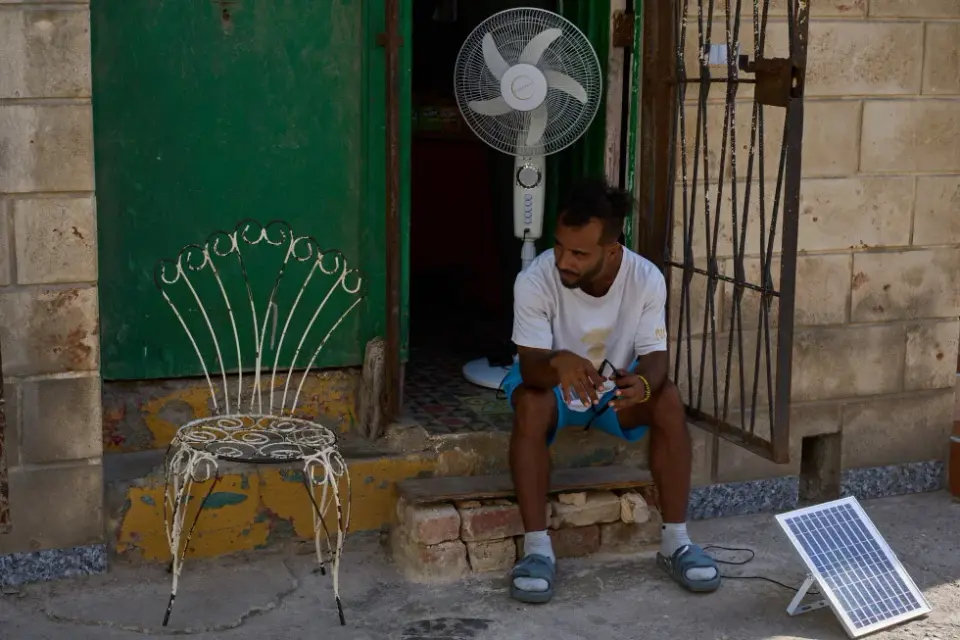
Cuba's national power grid has collapsed, leaving millions of residents without electricity. The outage has caused significant disruptions, including transportation limitations, reduced work hours, and flight cancellations. Public health services and basic activities like cooking and water supply are also severely impacted. Residents in central Havana are waiting for power to return, with no clear timeline for restoration.
Key points
- Cuba's power grid has experienced a total collapse, affecting millions of people.
- The outage has led to transportation limitations, reduced work hours, and flight cancellations.
- Public health consequences are serious due to the lack of electricity.
- Basic activities such as cooking, water supply, and internet/telephone services are disrupted.
- Residents in central Havana are waiting for power to return, with no guaranteed timeline.
Background
Cuba has faced ongoing energy challenges, including rolling blackouts and fuel shortages exacerbated by sanctions and import losses. In September 2026, Cubans were reported to be using solar power and DIY solutions to cope with energy scarcity. This latest grid collapse represents a significant escalation in the country's energy crisis.
Why it matters
The collapse of Cuba's power grid highlights the severe impact of energy infrastructure failures on daily life and public health. It underscores the broader challenges faced by the country due to sanctions and limited resources, affecting millions of residents and disrupting essential services.
What to watch
The immediate next steps involve efforts to restore power to the grid, which may take days or weeks. The government and local authorities will likely focus on addressing the root causes of the collapse and implementing emergency measures to mitigate the impact on residents. Long-term solutions may involve increased investment in renewable energy and grid infrastructure.
Want the full story? Read the original reporting
Read on AP News