
Cuba's Sixth Nationwide Blackout Exposes Fragile Grid Amid US Oil Blockade
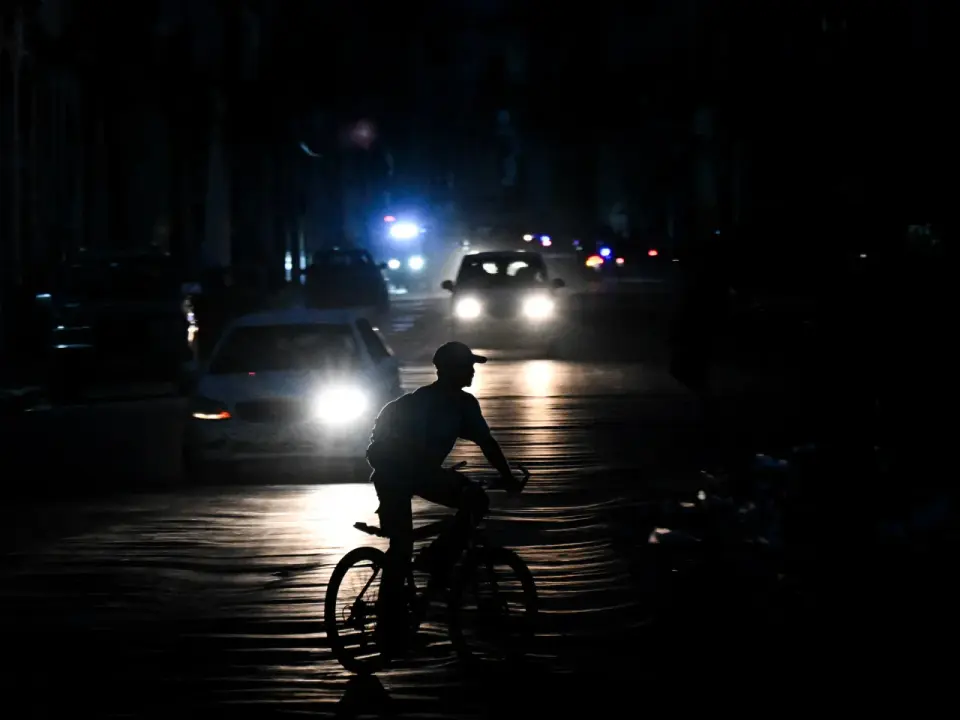
Cuba's national electricity grid collapsed on August 1, 2026, marking the sixth nationwide blackout of the year. The state utility, UNE, confirmed the failure but did not specify the cause or restoration timeline. The outage follows a pattern of severe instability, with three collapses in July alone. The crisis is driven by aging infrastructure, fuel shortages, and US restrictions on oil imports from Venezuela and Mexico, forcing residents to adapt to frequent power cuts.
Key points
- UNE announced the total grid collapse on August 1, leaving the entire island without power.
- This is the sixth nationwide blackout in 2026, following three incidents in July, including two in a single week.
- Havana’s utility reported prior outages due to damaged transformers and insufficient generating capacity.
- Authorities are attempting to restore power via isolated networks for hospitals and water systems.
- The grid relies on plants over 30 years old with limited maintenance and spare parts.
Background
Cuba has faced a deepening energy crisis since January 2026, when US actions against Venezuela cut off a primary oil supply. Previous blackouts in July highlighted the strain on education, transport, and medical services. The current collapse continues a trend of deteriorating infrastructure, with earlier reports noting that even after reconnection, the country often lacks sufficient generation to meet demand.
How outlets are covering it
Al Jazeera emphasizes the systemic deterioration of the grid, citing decades of underinvestment and the impact of US oil restrictions on financing and equipment. CNN highlights the immediate logistical challenges, noting that thunderstorms disrupted restoration efforts shortly after the blackout. CNN also points to adaptive measures by Cubans, such as solar-powered tricycles, and recent government reforms allowing private fuel distribution, which officials describe as gradual and difficult to implement.
Why it matters
The repeated blackouts disrupt essential services, including healthcare and water, and exacerbate humanitarian concerns during summer heat. The energy crisis is forcing economic reforms and altering daily life, but the reliance on aging infrastructure and external fuel sources leaves the grid vulnerable to further collapse.
What to watch
Authorities are working to restore power through isolated networks for critical facilities. The government is pushing for incremental economic reforms, including private investment in fuel and tourism, to address the energy shortfall. However, the effectiveness of these measures remains uncertain given the scale of the infrastructure decay and ongoing external pressures.
- Grid failure plunges Cuba into nationwide blackout Al Jazeera
- Cuba faces yet another nationwide blackout as electrical grid collapses CNN
- Cuba plunges into darkness as electric grid collapses Reuters
- ‘To play God’: Cuba’s healthcare system collapses under US pressure Al Jazeera
- Cut Off From Fuel, Cuba Is Still Surviving The New York Times
Want the full story? Read the original reporting
Read on Al Jazeera