
Cuba's Grid Collapses Again, Leaving Millions in Darkness
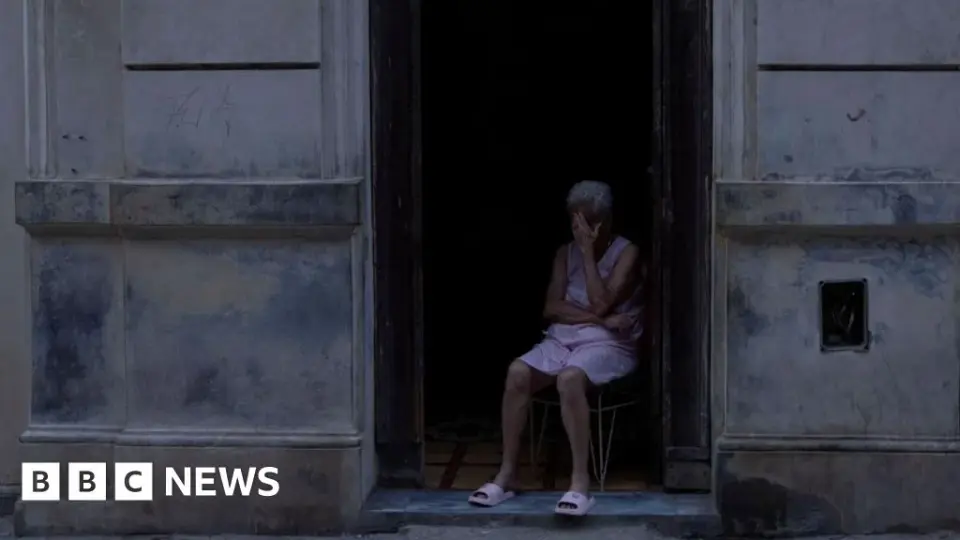
Cuba experienced a total nationwide power outage on Friday, marking the sixth or seventh major blackout of 2026. The entire electricity grid disconnected due to transmission faults and poor weather in central Cuba. While power was partially restored to priority areas like hospitals in Havana by late evening, the restoration process remained ongoing into Saturday. The crisis is attributed to aging infrastructure, chronic fuel shortages, and the impact of US oil sanctions, which have exacerbated existing supply issues. Residents report prolonged outages, with some experiencing 28 hours without electricity, leading to shortages of water, gas, and food. The repeated blackouts have sparked rare protests in a country where unauthorized demonstrations are illegal. Havana blames the US for the crisis, while Washington attributes it to poor internal management and accuses Cuba of posing a national security threat.
Key points
- Cuba's entire electricity grid suffered a 'total disconnection' on Friday, causing a nationwide blackout.
- The outage began just before 14:00 local time due to a transmission fault and poor weather in central Cuba.
- Power was restored to some priority areas, including hospitals and water pumping stations in Havana, by late evening, but the process was ongoing on Saturday.
- This is at least the sixth partial or total blackout of 2026, with some sources counting it as the seventh.
- Cuba relies heavily on fuel imports, and US sanctions and an oil blockade have exacerbated existing fuel shortages.
- Residents report prolonged outages, with some experiencing 28 hours without electricity, leading to shortages of water, gas, and food.
Background
Cuba has faced a series of blackouts and energy crises in 2026, with the most recent major outage occurring in September. The country's power grid has been under strain due to aging infrastructure, chronic fuel shortages, and the impact of US oil sanctions. Residents have reported prolonged outages, leading to shortages of water, gas, and food. The repeated blackouts have sparked rare protests in a country where unauthorized demonstrations are illegal. Havana has blamed the US for the crisis, while Washington has attributed it to poor internal management and accused Cuba of posing a national security threat.
How outlets are covering it
BBC and Fox News both report on the total blackout, but Fox News emphasizes the US Embassy's warning to citizens and the 'collapse of Cuba's electrical grid.' AP News focuses on the grid collapse and the ongoing restoration process. All sources agree on the impact of US sanctions and fuel shortages, but differ in their emphasis on the cause, with Havana blaming the US and Washington blaming internal management.
Why it matters
The repeated blackouts in Cuba highlight the severe impact of US sanctions and fuel shortages on the country's infrastructure and daily life. The crisis has led to shortages of water, gas, and food, and has sparked rare protests in a country where unauthorized demonstrations are illegal. The situation underscores the broader geopolitical tensions between the US and Cuba, and the potential for further instability in the region.
What to watch
The restoration of power is ongoing, and the timeline for full restoration is unknown. The US Embassy has warned citizens to plan accordingly, and the situation is expected to remain tense. The UN General Assembly vote to end the embargo is looming in late October, which could potentially impact the situation.
- Cuba blackout leaves millions without power again BBC
- Cuba plunges into total blackout as electrical grid collapses again, US Embassy warns Fox News
- Cuba hit with another blackout as millions across the island are left without electricity AP News
- Cuba faces another nationwide blackout amid US fuel blockade DW.com
- Cuba's electrical grid collapses again, plunging island into darkness reuters.com
Want the full story? Read the original reporting
Read on BBC