
U.S. Seizes 18 Suspects in Haiti President Assassination, Expanding Miami Prosecution
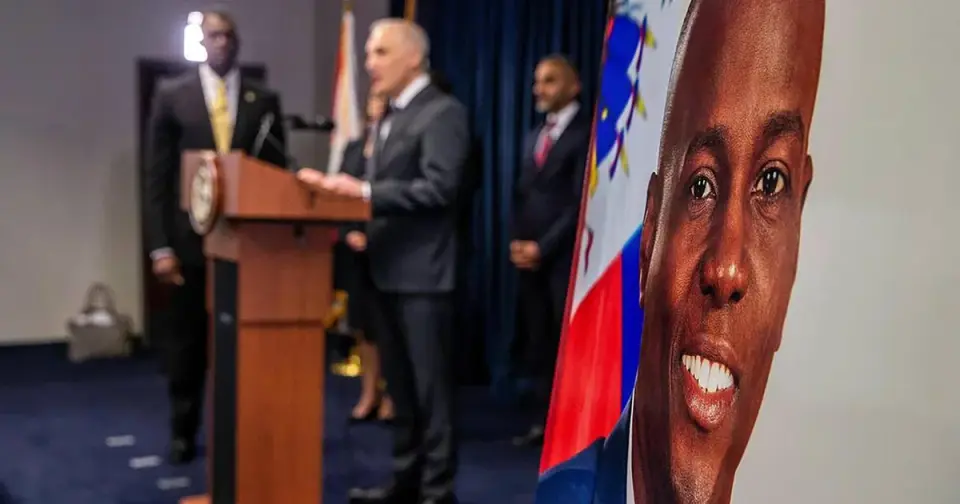
On September 20, 2026, U.S. authorities transferred 18 suspects, including 17 Colombian former soldiers and former Haitian official Joseph Félix Badio, from Haiti to Florida for trial in the 2021 assassination of President Jovenel Moïse. This move expands a federal case that has already resulted in multiple convictions and life sentences, with prosecutors indicating the investigation is not finished.
Key points
- U.S. officials described the transfer of 18 suspects from Haiti as a 'foreign transfer of custody' rather than a formal extradition, citing the lack of a formal treaty between the two nations.
- The suspects, including 17 Colombian former soldiers and former Haitian government functionary Joseph Félix Badio, were flown to Miami to face federal charges related to the July 2021 assassination of President Jovenel Moïse.
- Federal prosecutors have indicted 30 individuals in total for the assassination, with 11 newly indicted in the latest wave, including gang leader Vitel’homme Innocent and others accused of financing the plot through fraud and pandemic relief funds.
- In May 2026, a Miami jury convicted four men, including owners of the security firm CTU, of conspiring to kill or kidnap Moïse; at least five others have pleaded guilty and are serving life sentences.
- The transfer of Badio and the Colombians comes days before the trial of Christian Emmanuel Sanon, a key defendant in the plot, is scheduled to begin in Miami.
Background
The assassination of President Jovenel Moïse in July 2021 by a group of Colombian mercenaries shocked the Caribbean nation and contributed to its ongoing political instability. The U.S. investigation has focused on a conspiracy hatched in South Florida, with prosecutors alleging the plotters sought to overthrow Moïse to secure lucrative infrastructure and security contracts. The case has been marked by parallel investigations in Haiti and the U.S., with the U.S. prosecution making significant advances while the Haitian judicial process has stalled for five years.
How outlets are covering it
CBS News and The Guardian reported the transfer as a major step in the U.S. pursuit of accountability, with U.S. Attorney Reding Quiñones stating the work is not finished. The Miami Herald provided a more detailed account, noting that U.S. officials described the transfer as a 'foreign transfer of custody' rather than an extradition, and highlighted the confusion and frustration among the families of the Colombian suspects, who had been preparing for hearings in Haiti. The AP News report focused on the broader context of the case, noting the convictions and life sentences already handed down, and the ongoing chaos in Haiti, which currently has no president and is preparing for its first presidential election since 2016.
Why it matters
The transfer of 18 suspects marks a significant escalation in the U.S. prosecution of the Moïse assassination, signaling that federal authorities are pursuing all individuals involved in the plot, from the hired guns to the financiers and facilitators. The case highlights the complex and often contentious relationship between the U.S. and Haiti in matters of justice, as well as the ongoing instability in Haiti, which has been exacerbated by the assassination and the subsequent power vacuum.
What to watch
The 18 transferred suspects are scheduled to make their first appearances in federal court in Miami on Monday, September 21, 2026. The trial of Christian Emmanuel Sanon, a key defendant in the plot, is scheduled to begin on September 28, 2026. The U.S. government has indicated that it will continue to pursue all individuals involved in the assassination, and the case is expected to have significant implications for the ongoing political and security situation in Haiti.
- 18 suspects in killing of Haiti's president being extradited to Florida for trial cbsnews.com
- Key Haiti suspect, 17 Colombians in Moïse’s killing extradited to Miami ahead of trial Miami Herald
- Thirty More Arrested in Jovenel Moïse Assassination The New York Times
- 18 suspects accused in the July 2021 killing of Haiti's president being extradited from Haiti to US AP News
- More than a dozen arrested in connection with 2021 assassination of Haitian president theguardian.com
Want the full story? Read the original reporting
Read on cbsnews.com