
Trump Declares Energy Ceasefire as Zelenskyy Demands Reciprocal Guarantees
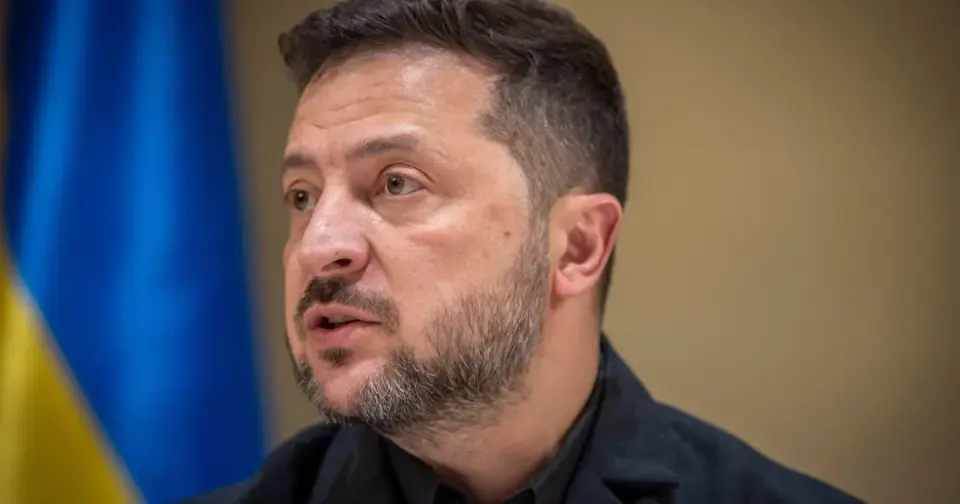
President Trump announced a new 'energy ceasefire' between Russia and Ukraine on Sunday, shortly after criticizing Ukrainian President Volodymyr Zelenskyy’s leadership and calling for his replacement. Zelenskyy rejected the demand, stating that Ukraine will only halt strikes on Russian refineries if Moscow stops attacking Ukrainian energy infrastructure. The dispute follows a U.S. deal to suspend sanctions on Russian diesel exports, which Kyiv and European allies condemned as funding the war. Meanwhile, Ukrainian drone strikes on Yandex data centers in Vladimir, Ryazan, and Kaluga disrupted digital services across Russia and neighboring states.
Key points
- Trump posted on Truth Social that both parties agreed to an immediate energy ceasefire, though the specific terms remain unclear.
- Zelenskyy stated Ukraine is ready for de-escalation but requires reciprocal action and guarantees from Russia, which he said Putin refuses to provide.
- The U.S. agreed to buy 300,000 tons of Russian diesel immediately, with further shipments scheduled for November and beyond, to lower domestic fuel prices.
- Ukrainian drones struck a Yandex data center in Vladimir, causing service outages in dozens of Russian cities and parts of Kazakhstan, Belarus, and Armenia.
- A Russian bombing in Zaporizhzhia killed 23 people, including four children, prompting Zelenskyy to accuse Moscow of using the U.S. diesel deal as justification for continued attacks.
Background
This escalation follows months of stalled diplomacy. In September, Zelenskyy urged a trilateral summit with Putin and China but rejected Trump’s earlier claims of a bilateral ceasefire, insisting on verifiable, long-term guarantees. The current crisis is driven by a global energy crisis exacerbated by the U.S.-Iran conflict and the closure of the Strait of Hormuz, which has spiked diesel prices in the U.S. to $6.28 per gallon.
How outlets are covering it
CBS News and ABC News highlight the sharp diplomatic rift, with Trump blaming Zelenskyy for high diesel prices and demanding a new leader, while Zelenskyy defends his strikes as a response to Russian aggression. BBC emphasizes the international backlash, noting that UK Prime Minister Andy Burnham and EU foreign affairs chief Kaja Kallas condemned the U.S. diesel deal, arguing it provides Moscow with revenue to continue the war. All sources agree that the energy sector remains a critical flashpoint, with Ukraine targeting Russian refineries and data centers while Russia strikes Ukrainian cities.
Why it matters
The U.S. diesel deal and the disputed ceasefire threaten to fracture Western support for Ukraine. If the energy ceasefire holds, it could reduce global fuel prices, but if it collapses, it may deepen the transatlantic rift and prolong the war. The strikes on Yandex also signal a shift in Ukrainian strategy, targeting Russia’s digital infrastructure to disrupt economic and military operations.
What to watch
Watch for Russia’s response to the energy ceasefire and whether it halts attacks on Ukrainian infrastructure. Monitor the impact of the diesel deal on global fuel prices and U.S. midterm election politics. Expect further Ukrainian strikes on Russian energy and digital targets if the ceasefire is not reciprocated.
- Zelenskyy claps back after Trump calls for new Ukrainian president to replace him CBS News
- President Zelenskyy defends attacks on Russian oil refineries, says it's up to Ukrainians to choose country's leaders ABC News - Breaking News, Latest News and Videos
- Germany backs Ukraine's Zelenskiy after Trump's call for his removal Reuters
- 'Time for Ukraine to get new president,' says Trump after Zelensky condemns diesel deal BBC
- Trump tells Ukraine to replace Zelensky over Russia fuel deal Axios
Want the full story? Read the original reporting
Read on CBS News