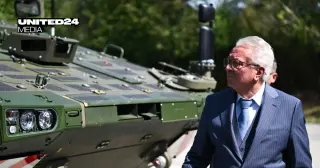
Former Estonian president Toomas Hendrik Ilves says CIA Director Ratcliffe’s Moscow visit was likely about Iran rather than warning the Baltic states, doubting a change in US threat assessments for Estonia, Latvia, and Lithuania, and arguing Europe bears much of Ukraine support while Washington’s leverage there remains unclear.
Meduza mapped Russia’s second fuel crisis using 478,685 GdeBENZ reports (July 4–Aug 23, 2026) and bank data, showing a wave similar in scale to the first but uneven in impact: Moscow and its region were hit hardest in August, with many stations lacking fuel or operating under lines, while St. Petersburg remained comparatively better. The crisis is tied to drone strikes on oil refineries and export controls; prices rose modestly but overall gasoline and diesel sales stayed well below 2025 levels. The fall could worsen with seasonal demand and refinery maintenance.
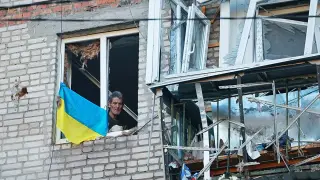
Russia carried out a massive attack on Ukrainian cities, with Kyiv hit in four districts that damaged homes, a school and a medical facility but reportedly caused no casualties; Poltava region faced energy-infrastructure strikes; Odesa endured a seven-hour barrage that damaged a 16-story building, two schools and a grain elevator, with train service delays of over 17 hours. Ukraine says its air force downed seven missiles, while Russia reports shooting down hundreds of Ukrainian drones across several regions, underscoring the ongoing escalation of the war.
After a year-long push by Sen. Lindsey Graham, the Senate moved ahead with a Russia sanctions package designed to curb Moscow’s oil revenue by pressuring buyers like China and India and granting the president wide tariff powers; liberal Democrats worry the tariff authority could be misused against allies, and more than 30 senators backed amendments to constrain powers. Graham’s death shortly after a NATO trip complicates momentum, as lawmakers weigh the bill’s scope, oversight, and ongoing Ukraine funding dynamics.
Russia conducted a coordinated overnight barrage against Kyiv and other Ukrainian cities with missiles and drones, triggering fires at warehouses in the Kyiv region (including Rozetka and Fozzy facilities) and injuring civilians elsewhere, as Ukrainian air defenses downed numerous drones and missiles and authorities continued to assess damage and casualties.
CIA Director John Ratcliffe made a surprise trip to Moscow to warn Russia against attacking NATO, in his first publicly known visit as CIA chief. The trip, disclosed after a plane was spotted in Moscow and multiple outlets cited unnamed sources, reportedly included pressing Iran-related sanctions tied to reopening the Strait of Hormuz. Kremlin officials said contacts occurred through intelligence services and that Ratcliffe did not meet Putin. The visit comes as Russia-Ukraine fighting intensifies and Zelenskyy warns Putin may escalate the war.
Russia plans to summon Romania’s chargé d’affaires in Moscow in a retaliatory move after Bucharest expelled a Russian diplomat over repeated drone incursions into Romanian airspace; Romania recalled its ambassador and showed fragments of a drone, and Romanian forces downed three drones in late July, highlighting a long-running breach of airspace since 2022.
Russia has not announced a new mobilization, and there is no public decree, but Western intelligence and Russian drills show Moscow is preparing the administrative machinery for a potential call-up, with talk of hundreds of thousands of troops and large signing bonuses. Kyiv says Russia could mobilize 300,000–500,000 by 2027, while Moscow denies plans and officials label rumors as misinformation. The move would come amid a strained economy, skilled-labor shortages, and high battlefield losses with limited Donbas gains, complicating any sustained mobilization. Washington’s high-level visit to Moscow underscores concerns about escalation, but there is no clear public evidence mobilization is underway; if ordered, it would signal patching gaps rather than battlefield success.
Ukraine announced a defense-oriented command restructuring, creating two new formations under the 3rd Army Corps and Azov’s 1st Corps to bolster Donetsk defense, with no deployment details released. ISW assesses Russia is pursuing a two-pronged push along Donetsk’s Fortress Belt—focusing on Slovyansk and Kostyantynivka—while infiltrations around Kostyantynivka continue and Ukrainian forces hold northern positions. Russia is intensifying battlefield air interdiction against Slovyansk using glide bombs and MLRS; Kyiv has conducted long-range strikes against Russian oil facilities and military assets, and Belarus is expanding railway infrastructure for military use. Ukrainian authorities have ordered evacuations near Zaporizhzhia amid ongoing strikes. ISW cautions that some reported Russian advances are amplified by propaganda/AI-altered footage and that a rapid operational breakthrough remains unlikely despite continued pressure.
France’s top security official warns of more violent, non‑kinetic attacks on French soil as hybrid warfare and Russia-linked interference intensify in Europe, citing the Leipzig Airport drone incident and broader disinformation campaigns.
CIA Director John Ratcliffe made an unannounced trip to Moscow to warn Russia against attacks on NATO Baltic states and to press Moscow to reduce its support for Iran, signaling U.S. intent to deter NATO escalation and Tehran's drone capabilities.
Kremlin-sourced reporting relayed by Bloomberg indicates Russia is weighing stepped-up strikes on Ukraine, including potential increases against Kyiv and key infrastructure, as peace talks have collapsed. Moscow argues Ukrainian attacks are NATO-backed and seeks military gains through escalation, with some officials warning that Putin could consider a tactical nuclear option—though the article notes no signs of immediate nuclear preparations and experts say the risk remains low.
Facing mounting battlefield losses and a Ukraine drone assault on Russia, Vladimir Putin is stepping up the recruitment of women into the armed forces, allowing women to sign military contracts across regions after a Spring policy change. Recruits are being sought via Telegram with terms and pay reportedly mirroring those for men, though many posts exclude pregnant women; campaigns have targeted female students in several cities, and Russia has even formed an all-female drone unit dubbed Night Witches 2.0. While demand appears high, some recruits and observers express unease about long-term commitment, as the war drags on and Ukraine’s drone campaign continues to strain the Russian economy and front lines.
Ukraine resumed drone attacks on Moscow after CIA Director John Ratcliffe’s unannounced visit, reportedly agreeing to a U.S. request not to strike the capital during his stay. About 10 drones were shot down over Moscow, with additional strikes reported across 15 Russian regions, including damage at a Wildberries logistics center in Kotovsk (Tambov region) and an oil refinery in Nizhny Novgorod. Casualties and damage were reported in several areas as Russia and Ukraine traded blows amid ongoing hostilities, with Zelensky stating Kyiv targeted multiple facilities in Russia over the prior 24 hours.
The Kremlin said the CIA director met with Russian intelligence counterparts in Moscow, signaling ongoing dialogue between the two nations’ intelligence communities amid persistent U.S.–Russia tensions.