
U.S. to Ban Canadian Alcohol, Dairy, and Autos in Escalation of Trade War
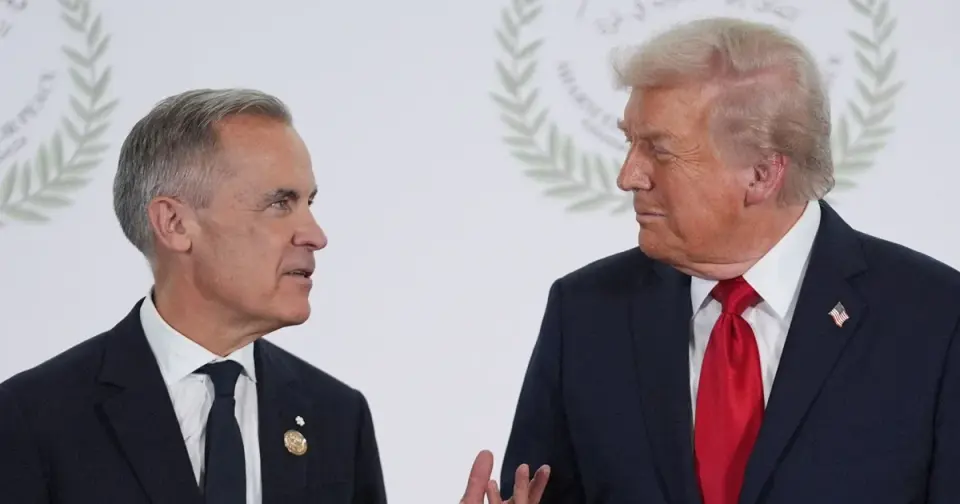
The U.S. government announced a ban on imports of Canadian alcohol, dairy, motorcycles, and other goods, effective September 29. This move, signed under Section 338 of the Tariff Act of 1930, is a direct response to Canada’s new retaliatory tariffs on U.S. exports. The action marks a significant escalation in the ongoing trade dispute, following the collapse of negotiations in August.
Key points
- The White House signed proclamations banning imports of Canadian alcohol, dairy, motorcycles, and molasses, with the bans taking effect on September 29.
- The measures were enacted under Section 338 of the Tariff Act of 1930, a statute previously unused until late August 2026.
- The bans are a direct response to Canadian retaliatory tariffs that took effect on September 8, targeting U.S. goods with duties ranging from 15% to 50%.
- The U.S. administration also adjusted existing tariffs, removing duties on cement and road salt while adding new duties on all-terrain vehicles and motorboats.
- President Trump previously threatened 50% tariffs on Canadian cars and trucks, which remain a potential future measure, and recently threatened to block Canadian jet maker Bombardier from selling in the U.S.
Background
The current escalation follows the collapse of U.S.-Canada trade negotiations in August 2026. Prior to the breakdown, the two nations had been discussing a potential deal to avert 50% tariffs on Canadian goods, including autos and dairy. After talks failed, the U.S. imposed 50% tariffs on $20 billion of Canadian goods, and Canada vowed to retaliate dollar-for-dollar. The dispute has raised concerns about the future of the USMCA and has impacted prices on everyday goods, with both nations accusing the other of unfair practices.
How outlets are covering it
NBC News and The Washington Post emphasize the formal legal mechanism of the new bans, noting their use of Section 338 and the specific product categories affected. AP News highlights the breadth of the ban, including dairy and most alcohol. Politico focuses on the political fallout, particularly the threat to Bombardier and the concerns of Republican senators in Kansas regarding job losses. While all outlets agree on the escalation, NBC and Washington Post frame it as a direct retaliatory measure, whereas Politico highlights the domestic political risks for the Trump administration. Canadian Prime Minister Mark Carney has refused to return to negotiations, stating that the U.S. must stop 'memes' and 'shade' before discussions can resume.
Why it matters
The trade war between the U.S. and Canada, its largest trading partner, threatens to disrupt supply chains and raise consumer prices for everyday items. The use of Section 338 signals a shift toward more aggressive trade enforcement. The conflict also has significant political implications, as tariffs target products in key swing states ahead of the 2026 midterm elections, potentially affecting jobs in manufacturing and agriculture.
What to watch
The import bans are scheduled to take effect on September 29. The U.S. administration is still reviewing options for implementing the threat against Bombardier. Additionally, 50% tariffs on Canadian cars and trucks remain a potential future measure, with Trump having previously threatened to impose them by January 1. Commerce Secretary Howard Lutnick is set to travel to Mexico to discuss trade relations, potentially seeking alternative supply chains.
- Trump escalates trade war with Canada, moving to ban the import of some autos, dairy and alcohol nbcnews.com
- U.S. announces bans on Canadian imports including alcohol, motorcycles The Washington Post
- US banning dairy products, most alcoholic beverages and motorcycles from Canada AP News
- Canada Imposes New Tariffs on U.S. Goods After Trump’s Latest Levies The New York Times
- Trump hits back at Canadian tariffs with government procurement threat Politico
Want the full story? Read the original reporting
Read on nbcnews.com