
US Halts Iran Strikes After Saudi Intervention, Sets Talks for Monday
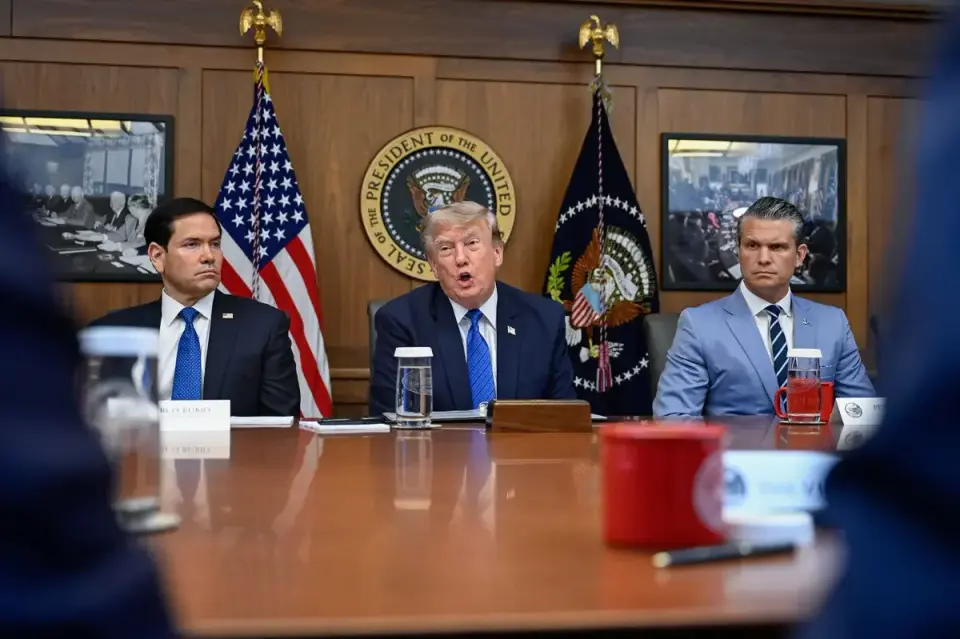
President Trump ordered new strikes on Iran on July 31, 2026, after losing faith in peace talks, but canceled them on August 1 following Saudi intervention. The US and Iran are set to begin negotiations on August 3, focusing on reopening the Strait of Hormuz and denuclearization. Iran denies direct talks, claiming negotiations are only with Oman. The conflict has cost 18 US lives and requires $67 billion in supplemental funding.
Key points
- Trump ordered strikes on Iran on July 31, 2026, citing Iranian dishonesty and a missile attack on US forces in Jordan.
- CENTCOM prepared a 10-14 day bombing campaign, but Trump canceled the attack on August 1 after Saudi Crown Prince Mohammed bin Salman urged de-escalation.
- Trump announced negotiations would begin on August 3, focusing on the Strait of Hormuz and denuclearization, but Iran denied direct talks with the US.
- Iran warned of a 'proportionate response' to any US action and stated the Strait of Hormuz will not return to its pre-war status.
- The US has deployed over 50,000 troops, with 18 dead and hundreds injured, and Congress is considering $67 billion in supplemental funding.
Background
The US and Iran have been in conflict since February 28, 2026, with multiple ceasefires and strikes. Previous negotiations in Doha and a 60-day peace process failed to resolve disputes over the Strait of Hormuz and Iranian nuclear capabilities. The current escalation follows a missile attack on US forces in Jordan on July 29, 2026.
How outlets are covering it
The New York Post and CBS News report that Trump ordered strikes on July 31 but canceled them on August 1 after Saudi intervention. Al Jazeera notes Iran's warning of a 'proportionate response' and its denial of direct talks with the US. The Atlantic criticizes the incoherence of US military strategy, questioning how Iran can continue fighting if its military is destroyed. CBS News highlights the lack of transparency from the Pentagon and the $67 billion funding request. All sources agree that the conflict remains unresolved, with Iran insisting on negotiations only with Oman.
Why it matters
The US-Iran conflict has significant global implications, affecting oil prices, regional stability, and US military resources. The potential for further escalation could draw in other Middle Eastern countries, while the cost of the war strains US budgets and raises questions about the effectiveness of military action versus diplomacy.
What to watch
Negotiations between the US and Iran are set to begin on August 3, 2026, focusing on the Strait of Hormuz and denuclearization. Iran has denied direct talks, claiming negotiations are only with Oman. The US military remains 'locked and loaded,' and Congress is considering $67 billion in supplemental funding. The outcome of these talks will determine whether the conflict escalates or de-escalates.
- Trump orders more strikes on Iran after ‘losing faith’ in Iran peace talks New York Post
- Iran war live: US to hit Iran ‘hard’, Trump says; world welcomes Gaza plan Al Jazeera
- Donald Trump doubles down on threat to hit Iran ‘very hard’ Financial Times
- Live Updates: U.S. preparing new Iran strikes with Israel as Trump says, "We've done an amazing job" CBS News
- The Incoherence of the Iran Hawks The Atlantic
Want the full story? Read the original reporting
Read on New York Post