
Trump's Endorsement of Irish Unification Breaks U.S. Neutrality
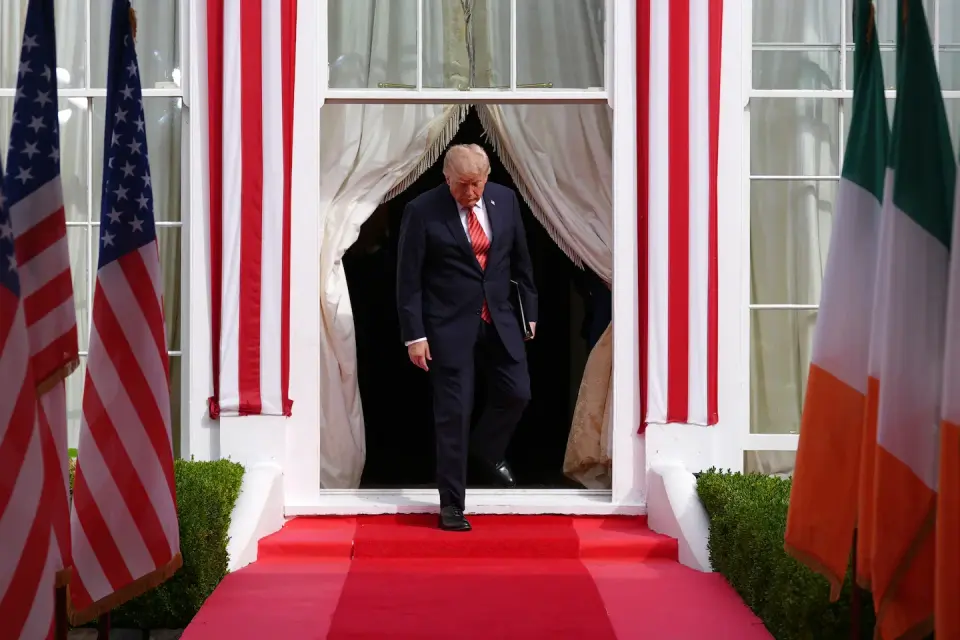
President Donald Trump broke decades of U.S. neutrality by publicly endorsing the reunification of Northern Ireland with the Republic of Ireland during a visit to Dublin. While Irish nationalists hailed the remarks, British and unionist leaders condemned the intervention, though officials maintain that a referendum remains unlikely without majority support.
Key points
- Trump stated that unifying Northern Ireland with Ireland would be 'fantastic' and 'going to happen eventually,' marking a departure from traditional U.S. neutrality on the issue.
- British Prime Minister Andy Burnham rejected the comments, stating there is no majority public support for a referendum and that the topic is 'off the table.'
- Irish nationalist leaders, including Sinn Fein President Mary Lou McDonald, welcomed the remarks as a catalyst for their political goals.
- The 1998 Good Friday Agreement dictates that Northern Ireland's constitutional future is determined by the consent of its people, not foreign leaders.
- Trump also announced the removal of tariffs on Irish whiskey during his visit, which coincided with the Irish Open golf tournament at his club in County Clare.
Background
The debate over Irish unification has intensified in recent years due to increased cross-border ties, the decline of the Catholic Church's social influence, and economic frustrations following Brexit. While polls have not shown a clear majority for unification, the 1998 Good Friday Agreement allows for a referendum if a majority supports it. Previous U.S. presidents, including Bill Clinton, maintained strict neutrality to uphold the peace process.
How outlets are covering it
Outlets highlight the sharp divide in reactions. The Washington Post and The New York Times emphasize the breach of diplomatic precedent and the 'doomsday' fears of British loyalists. Axios notes that Trump's stance delighted nationalists while alarming unionists who previously supported him. AP News frames the event as a polarizing moment that sparked both approval and condemnation. While some analysts suggest the comment was a tactic to irritate British officials, others view it as a genuine shift in U.S. posture, though all agree the final decision rests with Northern Irish voters.
Why it matters
The comments disrupt a long-standing diplomatic consensus that the U.S. would not take sides in the Anglo-Irish dispute. This intervention could influence political dynamics in Northern Ireland and Ireland, potentially accelerating calls for a referendum, though legal and democratic hurdles remain significant.
What to watch
British and Irish officials will continue to manage the fallout, with Burnham maintaining his stance against a referendum. Irish nationalists may use the comments to push for policy changes, while unionists will likely double down on their opposition. The situation will likely remain a talking point in Anglo-Irish relations until a clear shift in public opinion occurs.
- Trump pokes the U.K., and Ireland’s unity debate catches fire The Washington Post
- Why Trump's united Ireland stance hit such a nerve Axios
- For Trump, a Golf Trip to Ireland Tees Up a Reunification Controversy WSJ
- Trump Says Irish Unification Would Be ‘Fantastic,’ Breaking With Precedent The New York Times
- Trump's backing for a united Ireland has reignited a divisive political issue. Here's what to know AP News
Want the full story? Read the original reporting
Read on The Washington Post