
U.S. launches new strikes on Iran after Hormuz attacks, escalating six-month war
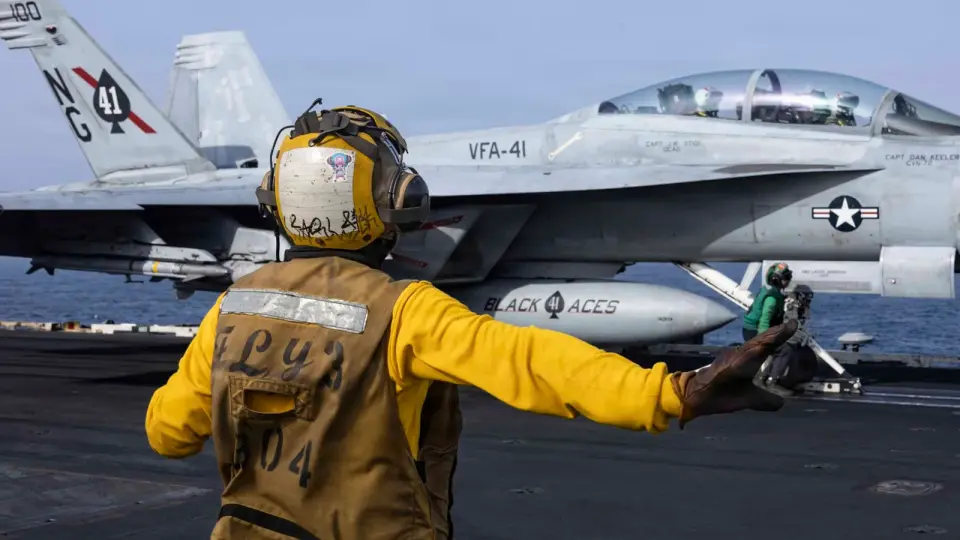
The U.S. military launched fresh strikes against Iranian targets near the Strait of Hormuz on Tuesday, following recent attacks on commercial shipping and U.S. personnel. CENTCOM confirmed operations began at noon ET, targeting Islamic Revolutionary Guard Corps (IRGC) sites. President Trump described the strikes as 'large and powerful' retaliation for Iran’s attempts to mine the strait and attack a U.S. base in Jordan. Iran retaliated with ballistic missiles against U.S. bases in Jordan, which were largely intercepted. The conflict, now six months old, has seen significant damage to U.S. infrastructure due to advanced Iranian missiles, raising concerns about the sustainability of U.S. military presence in the Gulf.
Key points
- CENTCOM confirmed U.S. forces began striking IRGC targets in Iran at 12 p.m. ET on Tuesday, following attacks on commercial shipping in the Strait of Hormuz and U.S. personnel.
- President Trump called the strikes 'large and powerful' and warned of a 'much harder' response if Iran retaliates, stating a bigger attack is 'waiting in the wings.'
- Iran retaliated by launching ballistic missiles at U.S. bases in Jordan; Jordan’s military intercepted 10 of 13 missiles, with three falling in remote areas, causing no casualties.
- Iranian media reported U.S. strikes hit targets in Bandar Abbas, Jask, Chabahar, and other southern coastal cities, with one strike reportedly killing at least four people at a wedding in Kuhestak.
- The strikes follow a weekend exchange of fire, the first in a month, and come amid reports that Trump was weighing a plan for periodic attacks to prevent Iran from rebuilding radar and missile capabilities.
- Trump’s approval rating stands at 33%, with only 36% of Americans approving of the Iran war, according to a Reuters/Ipsos poll released Monday.
Background
The current escalation follows a six-month war between the U.S. and Iran, which began in late February 2026. Previous conflicts included a U.S. pause in direct strikes in late July due to depleted interceptor stockpiles, followed by renewed hostilities in early August. A temporary Memorandum of Understanding (MoU) in August saw oil traffic through the Strait of Hormuz rise to 6.1 million barrels per day, but this remained far below pre-war levels of 15 million bpd. The MoU expired without a peace deal, leading to renewed attacks on commercial vessels. The latest strikes mark a significant escalation after a brief pause in direct confrontations.
How outlets are covering it
CNBC emphasizes the immediate military response and Trump’s public threats, framing the strikes as a direct retaliation for Iran’s attempts to mine the Strait and attack U.S. personnel. Axios provides detailed geographic specifics of the Iranian targets, including cities like Bandar Abbas and Jask, and highlights the 'mow the lawn' strategy aimed at preventing Iran from rebuilding its capabilities. USA Today focuses on the technological dimension, detailing how Iran’s new 'Castle Breaker' ballistic missiles have damaged U.S. bases and challenged American air defenses, suggesting a long-term vulnerability for U.S. forces in the Gulf. While CNBC and Axios focus on the immediate tactical exchange, USA Today contextualizes the strikes within a broader strategic shift, noting that U.S. officials have struggled to account for Iran’s advanced missile technology, which has caused significant damage to U.S. infrastructure and forced a reassessment of the U.S. military footprint in the region.
Why it matters
The renewed strikes signal a potential shift from limited engagements to a broader, sustained conflict, complicating Trump’s campaign pledge to end wars before the November midterm elections. The vulnerability of U.S. bases to advanced Iranian missiles raises questions about the long-term sustainability of U.S. military presence in the Gulf. Additionally, the escalation threatens to disrupt global energy supplies, as the Strait of Hormuz remains a critical chokepoint for roughly a fifth of global oil supplies. The lack of a diplomatic resolution and the continued use of advanced weaponry by both sides increase the risk of a wider regional conflict, with potential implications for global oil prices and geopolitical stability.
What to watch
Iran has vowed a 'severe punishment' for the U.S. strikes, with IRGC sources claiming the response will be 'several times greater.' The U.S. has warned of a 'much harder' response if Iran retaliates, suggesting a potential cycle of escalation. Analysts expect continued tension in the Strait of Hormuz, with possible further attacks on commercial shipping and U.S. bases. The U.S. may pursue a strategy of periodic strikes to degrade Iran’s military capabilities, while Iran could leverage its advanced missiles to inflict further damage on U.S. infrastructure. Diplomatic efforts remain stalled, with no indication of a new peace deal or ceasefire. The situation will likely influence global oil markets and U.S. domestic politics, particularly as the midterm elections approach.
- U.S. strikes Iran after new Hormuz Strait shipping attacks: Centcom CNBC
- US military carries out new strikes on Iranian targets CNN
- US launches fresh strikes on Iran around Strait of Hormuz Reuters
- Meet 'Castle Breaker,' Iranian missile wreaking havoc in US war USA Today
- U.S. military conducting fresh strikes in the Strait of Hormuz Axios
Want the full story? Read the original reporting
Read on CNBC