
U.S. Troops Exit Iraq, Ending 12-Year Anti-ISIS Mission Amid Regional Tensions
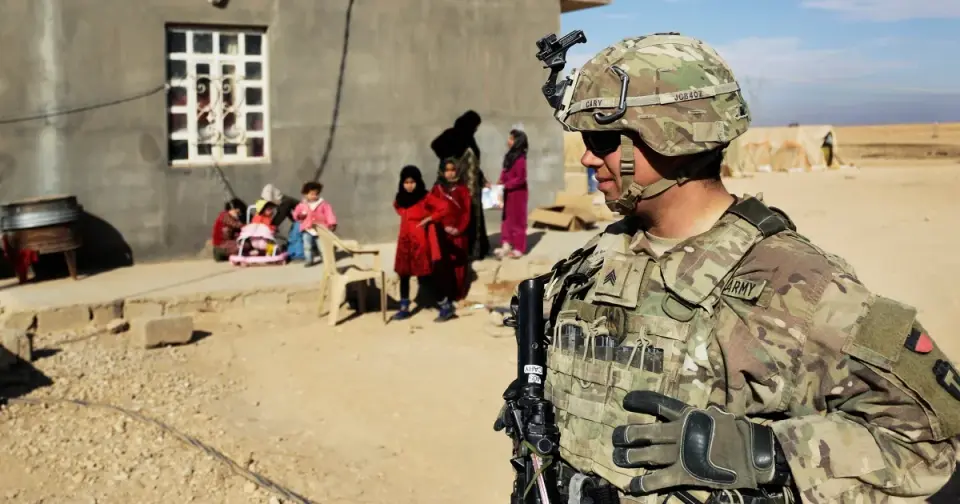
The U.S. concluded its 12-year military mission in Iraq on September 30, 2026, withdrawing the last troops assigned to fight ISIS. While Washington and Baghdad framed the exit as a victory for Iraqi sovereignty and the defeat of the caliphate, Kurdish officials expressed alarm over the lack of air defense replacements. The withdrawal occurs amid ongoing Iranian missile strikes on Kurdish territory and celebrations by Iran-backed militias, raising concerns about a security vacuum and potential ISIS resurgence.
Key points
- The last U.S. troops assigned to Operation Inherent Resolve withdrew from Iraq on September 30, 2026, ending a 12-year campaign that began in 2014.
- President Trump declared the mission a 'decisive victory' over ISIS, stating the group has been 'completely decimated,' while Pentagon spokesman Sean Parnell described the departure as an 'orderly' conclusion to the campaign.
- Kurdish officials in northern Iraq expressed deep concern, noting that 1,000 ballistic missiles have been fired at their territory by Iran since late February, and criticized the U.S. for leaving without establishing alternative air defense.
- Iran-backed militias, including the Islamic Resistance in Iraq, celebrated the withdrawal as a 'historic victory' and a 'crushing defeat' for the American project.
- A UN report indicates ISIS remnants remain in Iraq with 'hundreds of fighters' across seven provincial units, generating $500,000 annually through extortion, though they are currently unable to conduct significant attacks.
- The U.S. will retain a smaller contingent in Iraq to protect diplomats and will continue providing targeted training and intelligence support to Iraqi forces.
Background
This withdrawal follows a 2024 decision under the Biden administration to wind down the mission, which had previously peaked at nearly 9,000 U.S. personnel in 2017. The exit occurs after a 2003 U.S.-led invasion that toppled Saddam Hussein and a subsequent 2011 withdrawal. Recent regional developments include a Mecca joint defense pact signed by Saudi Arabia, Turkey, and Pakistan in August 2026, which aimed to reduce reliance on U.S. security guarantees.
How outlets are covering it
NBC News and the U.S. Department of War emphasized the successful conclusion of the 12-year campaign and the defeat of ISIS as an organized military threat. In contrast, The Washington Post highlighted the shifting balance of power toward Iran and the potential for a security vacuum. AP News focused on the divergent reactions, noting that while Baghdad welcomed the end of the mission, Kurdish officials were alarmed by the lack of air defense replacements and the ongoing Iranian missile strikes. All sources agreed on the factual timeline of the withdrawal but differed in their assessment of the immediate security implications for the region.
Why it matters
The withdrawal marks a significant shift in U.S. influence in the Middle East, potentially empowering Iran and its proxy militias while leaving Kurdish regions vulnerable to missile attacks. It also raises questions about the long-term stability of Iraq and the potential for ISIS remnants to regain strength in the absence of U.S. support.
What to watch
The U.S. will maintain a small diplomatic protection force in Iraq and continue providing training and intelligence to Iraqi partners. Kurdish officials are expected to seek alternative security arrangements, while Iran-backed militias may increase their influence in the region. Monitoring of ISIS remnants will be crucial to assess any resurgence in terrorist activities.
- U.S. ends ISIS-fighting mission in Iraq as regional security fears mount NBC News
- U.S. withdraws forces in Iraq as balance of power shifts to Iran The Washington Post
- Trump hails the US military’s exit from Iraq after its 12-year mission AP News
- Statement by Chief Pentagon Spokesman Sean Parnell on the Conclusion of the U.S. Military Mission in Iraq U.S. Department of War (.gov)
- Explainer: How the US controls Iraq's oil revenues Reuters
Want the full story? Read the original reporting
Read on NBC News