
Youth Networks and Policy Gaps Fuel U.S. Gun Trafficking to Mexican Cartels
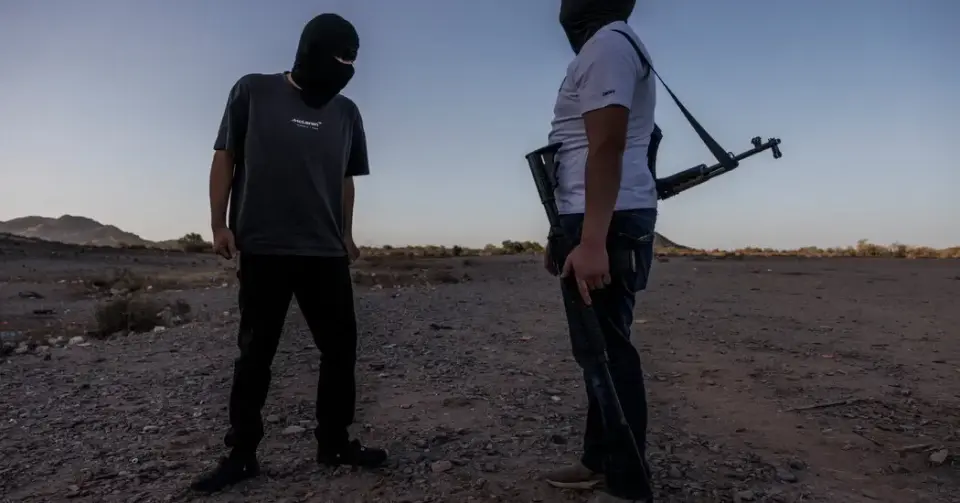
A new investigation reveals that American teenagers in border states like Arizona are increasingly acting as intermediaries for Mexican cartels, selling military-style rifles for profit and social status. While the U.S. government has spent millions to curb this flow, a recent GAO report highlights a lack of effective performance metrics and coordination. Experts argue that lax gun laws in states like Arizona and Texas facilitate this 'straw purchasing,' with hundreds of thousands of weapons believed to cross the border annually despite limited seizure numbers.
Key points
- Teenagers in Arizona are buying and selling high-caliber rifles to cartel operatives, motivated by financial gain and social status rather than ideological loyalty.
- A U.S. Government Accountability Office (GAO) report indicates that federal agencies spent approximately $126 million between 2020 and 2024 to combat gun trafficking but lack clear performance measures to evaluate success.
- Between 2020 and 2024, nearly 83,000 U.S.-origin firearms were recovered in Mexico, and Border Patrol seized nearly 5,000 firearms moving south, though experts believe these numbers represent a small fraction of the total annual trafficking volume.
- The most trafficked weapons include AR-15s, AK-47 style models, and .50-caliber rifles, which are easily accessible in states like Arizona and Texas where background checks are not required for all purchases.
- Advocates suggest that reinstating a federal assault weapons ban and improving data collection on seized firearms could significantly reduce the supply of weapons to Mexican criminal groups.
Background
This story builds on ongoing concerns about U.S. firearms flowing into Mexico, a issue that has persisted for years. Recent domestic incidents, such as the fatal shooting of an 18-year-old in New York City in September 2026, highlight the broader societal impact of gun violence, though the current focus is on the transnational dimension of the problem. The Trump administration has recently designated several Mexican cartels as terror organizations, aiming to expand legal tools for prosecuting traffickers, but critics argue these measures are insufficient without addressing the root causes of easy gun access in the U.S.
How outlets are covering it
The New York Times emphasizes the human element, detailing how teenagers in Phoenix are recruited into this network for profit and status, shifting the narrative from traditional smuggling to a decentralized, youth-driven supply chain. In contrast, Straight Arrow focuses on the systemic failure of federal policy, citing a GAO report that highlights the lack of measurable outcomes despite significant spending. While the Times notes the ease of purchasing firearms in the U.S. as a root cause, Straight Arrow explicitly links this to the expiration of the federal assault weapons ban in 2004 and argues that legislative changes are necessary to curb the flow. Both sources agree that current enforcement efforts are minimal compared to the scale of the problem, but they differ in their primary focus: the NYT highlights the operational mechanics of the youth network, while Straight Arrow critiques the strategic and legislative shortcomings of the U.S. government.
Why it matters
The involvement of American teenagers in transnational gun trafficking highlights a critical vulnerability in U.S. border security and gun control policies. If the flow of weapons to Mexican cartels is not effectively curtailed, it could exacerbate violence in the region and undermine U.S. efforts to combat organized crime. The lack of performance metrics in federal anti-trafficking programs suggests that current strategies may be ineffective, potentially leading to continued escalation of violence in Mexico and increased security challenges for the U.S.
What to watch
The U.S. government is expected to implement the four recommendations from the GAO report, including improving data collection on seized firearms and restarting performance measures for Operation Southbound. However, advocates argue these steps are marginal and call for broader legislative changes, such as reinstating a federal assault weapons ban. The Trump administration may also pursue further prosecutions of straw purchasers and bad-faith gun dealers under the new terror organization designations for cartels, but the effectiveness of these measures remains to be seen.
Want the full story? Read the original reporting
Read on The New York Times