
The 1883 near-miss that almost escaped history
TL;DR Summary
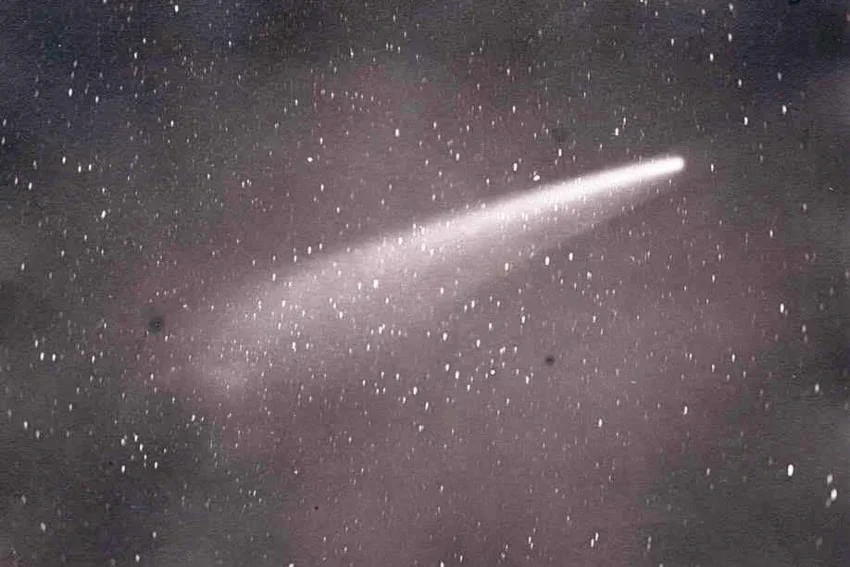
Mexico’s 1883 observations by astronomer José Bonilla showed 447 objects crossing the Sun over about three hours, later reinterpreted as a highly fragmented comet passing unusually close to Earth. New analysis suggests the debris may have been within roughly 80,000 km of Earth, with fragments potentially 50–800 meters across—a Tunguska-like threat that went largely unnoticed due to geography and limited coverage at the time. Bonilla’s work was initially dismissed, but subsequent research revived the idea of a historic near-miss with dramatic potential if the debris had been closer.
Reading Insights
Total Reads
0
Unique Readers
41
Time Saved
22 min
vs 23 min read
Condensed
98%
4,519 → 88 words
Want the full story? Read the original article
Read on Mexico News Daily