
Switchbacks Explain Why East Coast Trails Feel Harder Than West Coast Counterparts
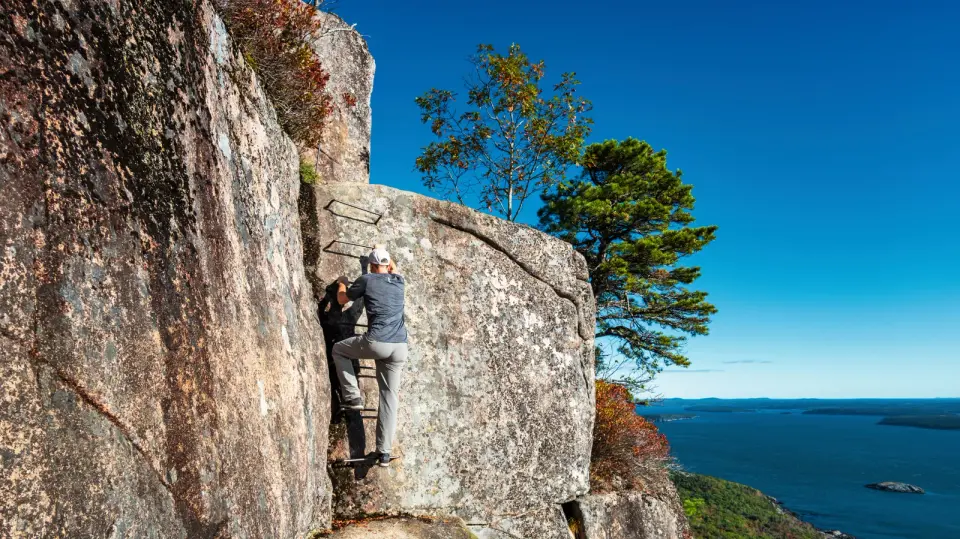
The article argues East Coast hikes are typically tougher than West Coast routes largely because East Coast trails lack switchbacks, resulting in steeper climbs, whereas West Coast paths—designed in part for pack animals—use switchbacks to ease ascent. It highlights brutal East Coast sections like Devil’s Path (Catskills), Presidential Traverse (White Mountains), and Precipice Trail (Acadia) and contrasts them with gradual climbs on Mount Whitney and the Pacific Crest Trail. Anecdotes from hikers and thru-hikers are cited to support the view that AT climbs can be more physically demanding per mile, though overall difficulty varies by trail. The takeaway is that switchbacks are a key factor in perceived difficulty, and the best way to know which coast is harder is to hike both.
Want the full story? Read the original reporting
Read on islands.com