
Tesla Sentry Mode Foils Federal Agents’ Attempt to Track Suspected Drug Dealer
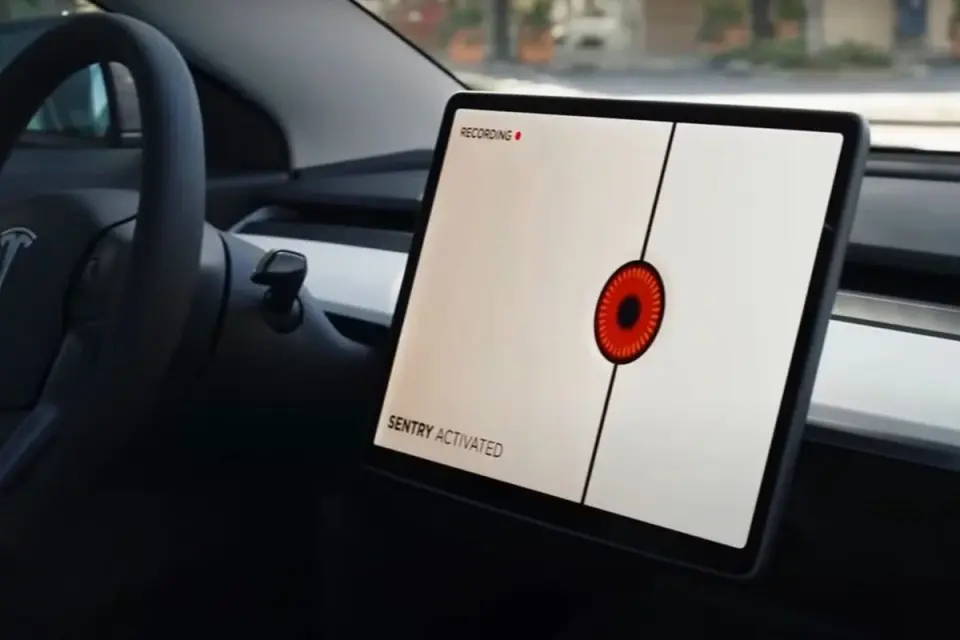
Homeland Security Investigations agents failed to install a tracking device on a white Tesla in Milwaukee because the vehicle’s security protocols, likely Sentry Mode, prevented access. This occurred during a months-long surveillance of suspected drug trafficker Sam Stair. Despite the failed tracker installation, a task force arrested Stair and 17 others in May 2026 on drug charges. Stair has pleaded not guilty and awaits trial on bond.
Key points
- HSI agents filed a 60-page warrant application on October 31, 2025, to track a Tesla used by suspected drug dealer Sam Stair in Milwaukee.
- A judge approved the warrant immediately, but agents reported they could not execute it due to active security protocols on the vehicle.
- The documents do not specify the exact protocol, but 404 Media suggests it may have been Tesla’s Sentry Mode, which uses eight cameras to monitor surroundings and alert owners.
- Sentry Mode triggers alarms, lights, and remote video recording when strangers approach, potentially deterring or preventing physical tampering with the vehicle.
- The investigation continued without the tracker, leading to the arrest of Stair and 17 others in May 2026 on drug trafficking charges.
- Stair pleaded not guilty and was released on bond while awaiting trial.
Background
Recent coverage has highlighted the increasing role of tracking devices in legal and personal contexts, from immigration enforcement to consumer disputes. For instance, a 2026 case in Ohio involved a man convicted for illegally tracking a delivery driver with a GPS device, while another case in Ohio involved a student’s tragic experience with an ankle monitor. These incidents underscore the sensitivity and impact of surveillance technology. Additionally, the use of advanced vehicle security features like Tesla’s Sentry Mode represents a new frontier in physical security, potentially complicating traditional law enforcement methods that rely on physical access to vehicles.
Why it matters
This incident illustrates the growing tension between advanced consumer technology and traditional law enforcement tactics. As vehicles become more autonomous and secure, features like Sentry Mode may inadvertently hinder investigations by preventing physical tampering or surveillance. It highlights the need for law enforcement to adapt to new technological barriers and raises questions about the balance between privacy, security, and investigative necessity.
What to watch
The case will proceed to trial as Stair awaits his hearing. Law enforcement agencies may need to develop new methods for surveillance that account for advanced vehicle security systems. Tesla may face increased scrutiny or requests for information regarding how its security features interact with legal warrants. The outcome of the trial could set precedents for how courts view the use of technology in obstructing or facilitating investigations.
Want the full story? Read the original reporting
Read on 404 Media