
Kodak Rebrands TMax 100 as Ektapan 100, Highlighting Tabular Grain Superiority
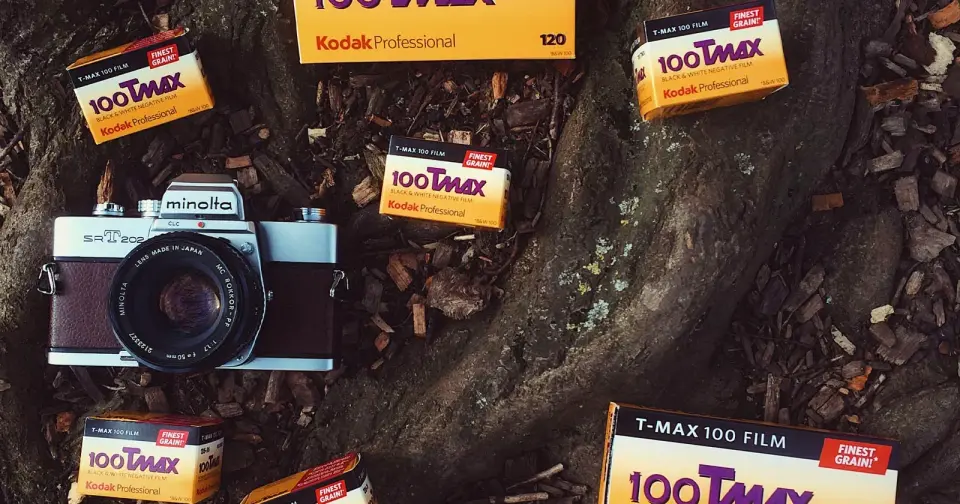
Kodak has rebranded its popular TMax 100 black-and-white film as Ektapan 100, a move that simplifies the product line while retaining the film’s renowned technical characteristics. Released in 1986, the film utilizes a tabular grain structure that offers superior sharpness and fine grain compared to traditional cubic emulsions like Tri-X. The rebranding, which began in early 2026, aligns the film with other Kodak products under the Ektapan name, though the underlying chemistry remains unchanged. Photographers continue to debate the aesthetic merits of TMax versus Tri-X, but technical reviews praise Ektapan 100 for its high resolution and smooth tonal transitions.
Key points
- Kodak officially rebranded TMax 100 as Ektapan 100 in early 2026, joining the Ektapan 400 and P3200 lines.
- The film features a tabular grain emulsion, which provides finer grain and higher resolution (200 lines/mm) than cubic grain films like Tri-X.
- Ektapan 100 offers significant exposure latitude, allowing for underexposure to ISO 200 or overexposure by two stops without development changes.
- The film is praised for smooth shadow and highlight transitions, making it suitable for high-contrast conditions like bright snow or sunny coastlines.
- While some photographers prefer the classic look of cubic grain films, others find Ektapan 100’s sharpness and detail superior for high-end lens testing.
Background
Kodak has been expanding its analog offerings, including the recent launch of the EC35, a $35 refillable point-and-shoot camera targeting younger demographics. This rebranding of TMax 100 to Ektapan 100 follows a pattern of consolidating film names under the Ektapan brand, which was previously used for motion picture films. The move aims to clarify the product line for consumers who may be confused by the dual naming conventions, while maintaining the technical legacy of the TMax family, which has been updated since its 1986 release.
Why it matters
The rebranding of TMax 100 to Ektapan 100 signals Kodak’s continued commitment to the analog film market, particularly among enthusiasts who value technical precision. By aligning the film with the Ektapan brand, Kodak simplifies its product lineup while retaining the film’s reputation for sharpness and fine grain. This move may influence purchasing decisions for photographers who prioritize resolution and smooth tonal transitions over the classic look of cubic grain films, potentially shifting market preferences within the analog community.
What to watch
Kodak is expected to continue promoting the Ektapan line as a premium option for black-and-white photography, leveraging its technical advantages in marketing materials. The company may also explore further collaborations with camera manufacturers to highlight the film’s compatibility with high-end lenses. As the analog market grows, Kodak’s rebranding strategy could set a precedent for other film manufacturers looking to streamline their product lines while maintaining technical integrity.
Want the full story? Read the original reporting
Read on PetaPixel