
Lakers Sale to Kushner and Iger Reshapes NBA Valuations and Private Equity Strategy
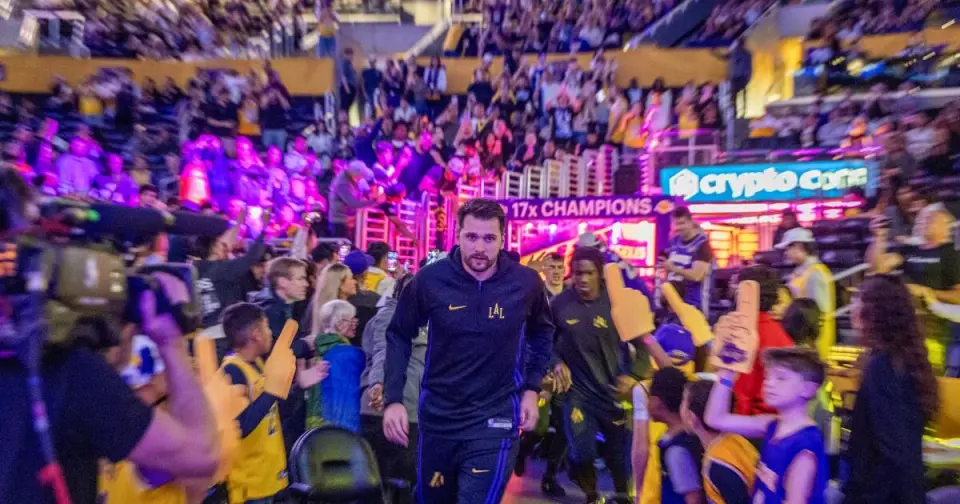
Joshua Kushner and Bob Iger agreed to buy a majority stake in the Los Angeles Lakers for $12.5 billion, marking a record transaction that significantly raises the average valuation of NBA teams. The deal highlights a broader trend of private equity firms treating sports franchises as stable, recession-proof assets with predictable revenue streams, despite rising costs for fans and ongoing legal disputes within the Buss family.
Key points
- The pending $12.5 billion sale of the Lakers to Joshua Kushner and Bob Iger is the highest valuation for an NBA control stake, estimated at 20 times the team's 2025-26 revenue.
- This transaction raises the average NBA team valuation by 21% to $6.68 billion, with the Golden State Warriors remaining the most valuable team at $13 billion.
- Private equity involvement in North American professional sports has expanded, with over 74 teams having some PE involvement as of May 2026, and PE-backed firms accounting for 61% of sports mergers since 2019.
- Kushner’s Thrive Capital launched Thrive Eternal, a permanent holding company designed to steward iconic franchises over decades, distinguishing it from traditional venture capital models.
- The sale faces hurdles, including Kushner’s need to divest from the Miami Heat and NBA board approval, while Jeanie Buss contests the sale of the Buss family’s remaining 17.8% minority stake.
Background
This development follows a broader trend of private equity entering major sports leagues, including the NFL’s 2024 opening to preapproved firms and the Apollo-backed valuation of the New York Yankees near $10 billion in August 2026. Earlier coverage noted that private equity firms like Apollo and Trian are increasingly active in take-private deals and sports ownership, seeking stable assets amid economic uncertainties and AI-driven disruptions in other sectors.
How outlets are covering it
The Los Angeles Times emphasizes the shift from passion-driven ownership to financial investment, noting that sports are seen as recession-proof due to long-term media deals and stable fan bases. It highlights concerns about rising ticket prices and fan backlash, as well as the Buss family’s internal disputes. CNBC focuses on the financial impact, detailing how the Lakers sale raises the average NBA team valuation by 21% and adjusts valuations for all 30 teams, with the Knicks and Bulls seeing the largest percentage increases. Both sources agree on the growing influence of private equity but differ in emphasis: the Times focuses on the cultural and fan impact, while CNBC focuses on the financial metrics and valuation adjustments.
Why it matters
The Lakers sale signals a new era in sports ownership, where private equity firms view franchises as stable, high-growth investments. This trend could lead to increased valuations, higher costs for fans, and potential changes in team management and stadium development. It also raises questions about the long-term impact of financialization on sports culture and fan engagement.
What to watch
The sale must be approved by the NBA board of governors, and Kushner must divest from the Miami Heat. The Buss family’s dispute over their minority stake may affect future board representation. Analysts will monitor how the increased valuations impact other teams and whether private equity continues to expand its presence in sports.
- Why have private equity firms taken an interest in buying professional sports teams? Los Angeles Times
- Lakers minority owner Dr. Patrick Soon-Shiong not selling 4% stake ESPN
- Fans feeling uneasy about new Lakers ownership group Yahoo Sports
- The Los Angeles Lakers sold for $12.5 billion. Here’s what every NBA team is now worth CNBC
- How could the Buss family saga surrounding the Lakers sale play out? Legal experts weigh in The New York Times
Want the full story? Read the original reporting
Read on Los Angeles Times