
SEC Commissioner Sankey Warns Kentucky and Peers Against Tampering Amid Fifth-Year Eligibility Chaos
SEC Commissioner Greg Sankey issued a memo to league members urging strict adherence to existing NCAA rules regarding player eligibility and transfers. This guidance comes as Kentucky basketball coach Mark Pope navigates a complex landscape to add a 15th roster member, constrained by ongoing court rulings that grant a fifth year of eligibility to some 2022 high school graduates but not others. While the NCAA refuses to grant blanket waivers, courts in Colorado and Tennessee have created a patchwork of eligibility, forcing programs to carefully distinguish between players legally available in the transfer portal and those still bound by 'ghost transfer' restrictions.
Key points
- SEC Commissioner Greg Sankey sent a memo to member schools stating that institutions must operate under existing NCAA and conference rules until officially advised otherwise by the NCAA or a court order.
- Sankey emphasized that recent court rulings should not be interpreted as creating broader eligibility relief beyond the specific scope of the applicable orders, and that SEC intraconference transfer rules remain in effect.
- Kentucky basketball coach Mark Pope is actively pursuing a 15th roster addition but is working closely with compliance to ensure he only contacts players who are legally available, avoiding potential tampering violations.
- The NCAA Division I Cabinet decided against applying the new age-based eligibility rule retroactively, meaning the fifth-year eligibility for the 2022 class depends entirely on individual court rulings rather than a blanket waiver.
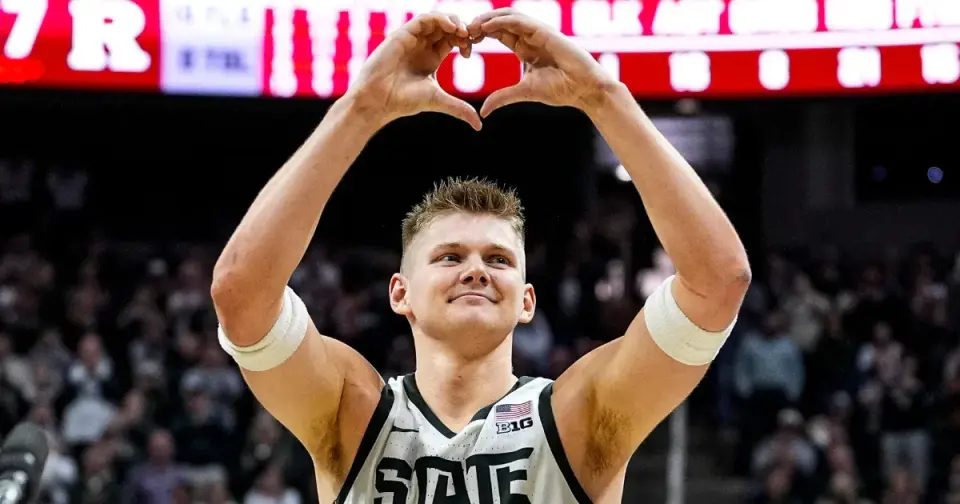
- Players who entered the transfer portal in the spring, such as Auburn’s Keyshawn Hall and Minnesota’s Cade Tyson, are legally available for contact, while others like Michigan State’s Jaxon Kohler remain restricted until state injunctions are resolved.
- The Tenth Circuit Court of Appeals has set an expedited briefing schedule to consider whether to pause the Colorado injunction, which could reverse the fifth-year eligibility for thousands of athletes if the NCAA appeal succeeds.
Background
This situation follows a series of legal challenges to the NCAA’s new age-based eligibility policy, which initially denied a fifth year of play to players who entered college in 2022. Judge Charlotte Sweeney’s ruling in Colorado granted a class-wide injunction, creating immediate eligibility for many athletes, while other states like Tennessee and California have issued separate, narrower injunctions. This legal fragmentation has created a 'highly dynamic' environment where eligibility status varies by state and individual case, complicating recruiting and roster construction for all major programs.
How outlets are covering it
On3 highlights Kentucky’s cautious approach, noting that while the program is aggressive in its pursuit of a 15th player, it is strictly adhering to compliance guidelines to avoid tampering charges. Newsday focuses on the broader SEC context, emphasizing Sankey’s directive for all league members to coordinate with SEC staff before making commitments, reflecting a conference-wide effort to maintain order amidst legal uncertainty. Front Office Sports provides a national perspective, illustrating the real-world impact of the legal limbo through the example of UNC star Seth Trimble transferring to Louisville, while noting the NCAA’s active legal battle to overturn the Colorado ruling entirely.
Why it matters
The outcome of these legal battles will determine the eligibility of hundreds of highly recruited athletes, directly impacting the competitive balance of college basketball and football. For programs like Kentucky, the ability to add a final piece to a roster is crucial for postseason success, but the risk of NCAA penalties for tampering or eligibility violations is high. The SEC’s intervention signals that the conference is prioritizing regulatory compliance over immediate roster gains, setting a precedent for how other conferences may navigate similar eligibility disputes in the future.
What to watch
The Tenth Circuit Court of Appeals is expected to rule soon on the NCAA’s motion to stay the Colorado injunction. If the stay is granted, the fifth-year eligibility for many 2022 graduates could be suspended, potentially voiding recent transfers and commitments. Kentucky and other SEC programs will continue to monitor these developments closely, adjusting their recruiting strategies based on the legal status of specific targets. The NCAA is also expected to provide further guidance as the court proceedings continue, potentially clarifying the boundaries of permissible contact with players in the grey area of eligibility.
Want the full story? Read the original reporting
Read on On3