
Former NFL Running Back LeShon Johnson Sentenced to Five Years for Massive Dogfighting Ring
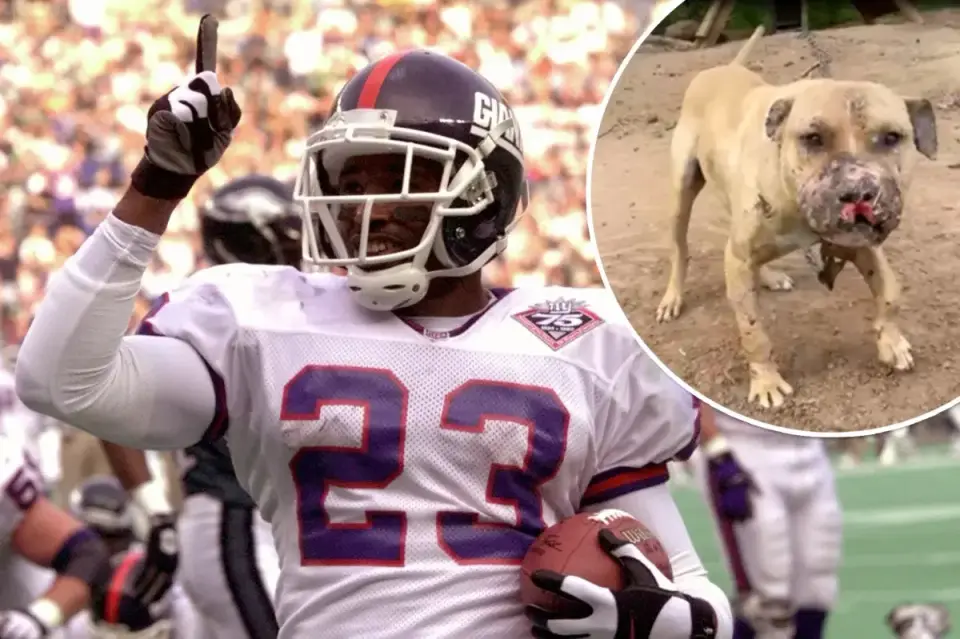
Former NFL running back LeShon Johnson has been sentenced to five years in federal prison, three years of supervised release, and a $30,000 fine for operating a large-scale dogfighting ring. Convicted in August 2025 on six felony counts under the Animal Welfare Act, Johnson ran the operation, known as Mal Kant Kennels, from Oklahoma since at least 2007. Authorities seized 190 dogs from his property, the largest single-individual seizure in a federal dogfighting case. Johnson, who played for the Packers, Cardinals, and Giants, previously pleaded guilty to state dogfighting charges in 2004. His defense cited severe health issues, including dementia and Parkinson’s disease, but the court upheld the prison sentence. An appeal is being considered.
Key points
- LeShon Johnson, a former NFL running back, was sentenced to 60 months in federal prison on September 10, 2026.
- The sentence includes three years of supervised release and a $30,000 fine following his August 2025 conviction on six felony counts.
- Prosecutors alleged Johnson operated 'Mal Kant Kennels' in Oklahoma since 2007, breeding and selling pit bulls for fighting ventures.
- Authorities seized 190 dogs from Johnson’s property, described by the DOJ as the largest seizure from a single individual in a federal dogfighting case.
- Johnson previously pleaded guilty to state dogfighting charges in 2004 and received a deferred sentence, continuing the operation despite the prior conviction.
- His attorney argued Johnson suffers from severe dementia, Parkinson’s disease, and traumatic brain injuries, but the court rejected probation.
Background
This case follows a pattern of high-profile animal welfare violations involving public figures, such as the 2026 inspection of actress Linda Blair’s California kennel operation. It also mirrors the legal trajectory of other high-profile criminal cases where health-related defenses, such as traumatic brain injuries, were cited but did not prevent significant prison sentences, as seen in the 2026 sentencing of fashion-tech CEO Christine Hunsicker for investor fraud.
How outlets are covering it
The New York Post and CBS Sports emphasized the scale of the operation and the severity of the federal sentence, highlighting the 190-dog seizure as a record. News 9 provided detailed local context, noting the jury’s eight-hour deliberation in Muskogee and the financial profits generated from selling 'stud rights' and offspring. AZ Family focused on Johnson’s NFL history with the Arizona Cardinals. All sources cited Associate Attorney General Stanley E. Woodward Jr.’s statement condemning the 'egregious and violent' scheme. However, perspectives diverged on the defense: CBS Sports and News 9 detailed the attorney’s argument regarding Johnson’s severe dementia and Parkinson’s disease, while the New York Post focused primarily on the conviction and sentencing without extensive detail on the medical defense. The DOJ and FBI officials, quoted across sources, stressed the illegality of dogfighting in all 50 states and the need for accountability.
Why it matters
The sentencing underscores the federal government’s intensified efforts to combat animal cruelty and dogfighting rings, particularly those operated by individuals with prior convictions. The record seizure of 190 dogs highlights the scale of illicit breeding operations and the resources required to dismantle them. The case also illustrates the challenges in sentencing individuals with severe health conditions, as courts must balance public safety and animal welfare with medical realities. It serves as a warning to others attempting to profit from animal fighting, as the DOJ emphasized that such schemes will face justice regardless of the perpetrator’s background or health status.
What to watch
LeShon Johnson’s attorney, Billy Coyle IV, has recommended that Johnson appeal the sentence, though a final decision has not been made. The 190 seized dogs are under the care of the U.S. Marshals Service as part of an asset forfeiture proceeding. Johnson will begin serving his five-year federal prison sentence, followed by three years of supervised release. The case may set a precedent for sentencing in federal dogfighting cases involving individuals with significant health issues, potentially influencing future legal strategies in similar animal welfare prosecutions.
- Ex-NFLer LeShon Johnson sentenced to five years for dog-fighting operation New York Post
- Ex-NFL RB LeShon Johnson sentenced to 5 years for dogfighting ESPN
- Former NFL RB LeShon Johnson sentenced to five years in prison for operating dogfighting ring CBS Sports
- Former NFL player from Oklahoma sentenced to 5 years in prison for running major dogfighting ring News 9
- Former Arizona Cardinals player sentenced in large-scale dogfighting operation AZ Family
Want the full story? Read the original reporting
Read on New York Post