
Boston's World Cup Nightlife Boom: $83M in Spending and a Push for Permanent 3 a.m. Hours
Boston’s summer nightlife initiatives, including extended bar hours and social districts, generated an estimated $83 million in spending during the World Cup. Mayor Michelle Wu is using this data to push for permanent 3 a.m. last call times, despite opposition from police unions.
Key points
- World Cup spending in Boston reached $83 million, with downtown bar spending spiking 86% year-over-year.
- Mayor Michelle Wu is petitioning state lawmakers to make 3 a.m. last call hours and public drinking zones permanent.
- Boston Police Patrolmen’s Association opposes the extension, citing safety and crime concerns.
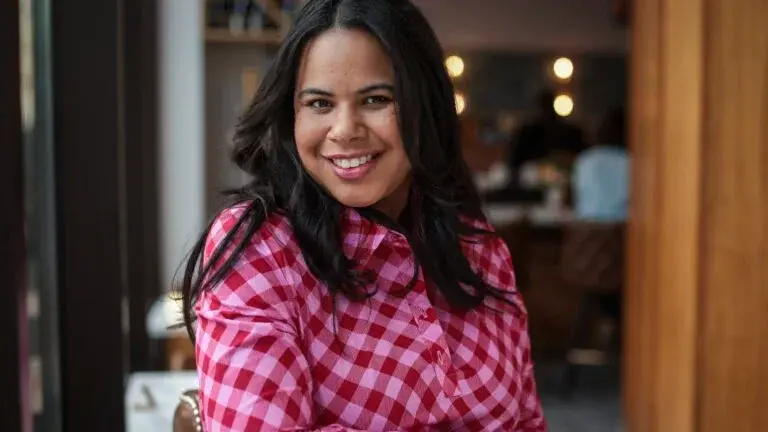
- Corean Reynolds, Boston’s nightlife czar, reported that businesses saw increased revenue and new customers during the pilot.
- The city is also expanding late-night MBTA service to support the 24-hour economy.
Background
Boston has been actively working to revitalize its nightlife since 2023, when Corean Reynolds was appointed as the city’s director of nightlife economy. Previous pilots in 2023 and 2024 laid the groundwork for the summer 2026 initiatives, which were further boosted by the World Cup, Sail Boston, and Boston 250 celebrations.
How outlets are covering it
Boston.com and Boston Herald both highlight the economic success of the summer initiatives, with Boston.com focusing on the qualitative feedback from business owners and Boston Herald emphasizing the quantitative data, such as the 86% spike in downtown bar spending. The Boston Police Patrolmen’s Association, however, opposes the extension of bar hours, arguing that it leads to higher rates of crime and violence. Govtech.com, while not directly related to nightlife, highlights Boston’s broader efforts to improve cybersecurity and public services, which may indirectly support the city’s 24-hour economy by ensuring safe and efficient operations.
Why it matters
The success of Boston’s nightlife initiatives could serve as a model for other cities looking to boost their nighttime economies. The push for permanent 3 a.m. last call hours and public drinking zones could have significant implications for local businesses, public safety, and urban planning. Additionally, the city’s efforts to expand late-night transportation and cybersecurity could enhance the overall experience for residents and visitors alike.
What to watch
Mayor Michelle Wu and her team will continue to gather data and evidence to support the case for permanent 3 a.m. last call hours and public drinking zones. The city is also working to expand late-night MBTA service and improve cybersecurity to support the 24-hour economy. The Boston Police Patrolmen’s Association will likely continue to oppose the extension, leading to ongoing debates about public safety and economic growth.
- Q&A: Boston’s nightlife czar says the city is just getting started Boston.com
- City analysis shows World Cup, Tall Ships were economic boom for Boston The Boston Globe
- Scotland's World Cup visit boosted Boston economy with 86% spike in downtown bar spending Boston Herald
- After a fun summer, how does Boston keep the party going? MassLive.com
- How the World Cup Helped Boston Improve Its Cybersecurity govtech.com
Want the full story? Read the original reporting
Read on Boston.com