
Alabama Jury Orders New York Times to Pay $9.25M Over False Shooting Report
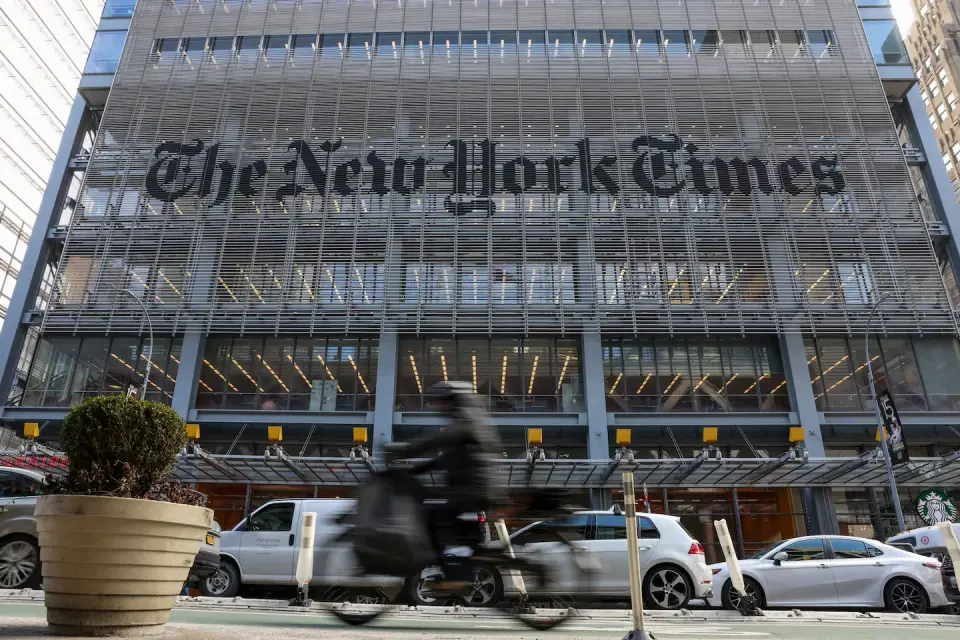
A federal jury in Alabama has ruled that the New York Times committed defamation against former University of Alabama basketball player Kai Spears, awarding him $9.25 million in damages. The verdict stems from a 2023 article that incorrectly identified Spears as being present at a fatal shooting near the Tuscaloosa Strip. The Times has stated it will appeal the decision, calling the verdict contrary to law.
Key points
- A federal jury in Tuscaloosa, Alabama, found the New York Times liable for defamation and false light invasion of privacy regarding a 2023 article about Kai Spears.
- The jury awarded Spears $9.25 million in total damages, with approximately $7.5 million designated as punitive damages.
- The original article erroneously reported that Spears was in the passenger seat of Brandon Miller’s vehicle during the fatal shooting of Jamea Harris, when he was actually several blocks away.
- The New York Times has indicated it will appeal the verdict, stating that the award is not supported by the evidence and is contrary to law.
- This is the first time in over 50 years that the New York Times has been ordered to pay a defamation judgment, a milestone dating back to the 1964 New York Times Co. v. Sullivan case.
Background
The case highlights ongoing tensions between major media outlets and legal accountability for reporting errors. While recent archive coverage focused on NCAA eligibility rules and college basketball transfers, this lawsuit underscores the legal risks associated with investigative journalism and the use of anonymous sources. The verdict follows a nearly two-week trial in U.S. District Court, where the focus was on the newspaper’s verification processes and the impact of the erroneous report on a private figure.
How outlets are covering it
The Washington Post reported the verdict as a significant legal defeat for the New York Times, noting the newspaper’s intention to appeal. Patch provided a more detailed breakdown of the trial, emphasizing the $9.25 million award and the specific breakdown of punitive damages. Patch also highlighted the historical significance of the verdict, noting it is the first defamation judgment against the Times since 1964. While the Washington Post focused on the outcome and the newspaper’s response, Patch included extensive quotes from Spears and his family, as well as details about the testimony of the original reporter, Billy Witz, who apologized for the error but maintained he followed the newspaper’s standards. Both sources agree on the core facts of the verdict and the damages, but differ in their emphasis on the legal implications and the personal impact on Spears.
Why it matters
This verdict marks a rare and significant legal victory for a private individual against a major media institution, potentially setting a precedent for defamation cases involving private figures. It underscores the legal and financial risks associated with reporting errors, particularly when anonymous sources are used. The case may influence how news organizations handle verification and corrections in the future, and it highlights the ongoing debate over press freedom and media accountability.
What to watch
The New York Times has stated it will appeal the verdict, though no specific timetable has been provided. The appeal process will likely focus on the legal standards for defamation and the use of anonymous sources. The case may also influence future media practices and legal precedents regarding the liability of news organizations for reporting errors.
- N.Y. Times loses defamation suit brought by college basketball player The Washington Post
- The New York Times Loses Defamation Lawsuit in Alabama The New York Times
- Jury rules New York Times defamed Alabama basketball player ESPN
- Jury Sides With Kai Spears In NYT Defamation Trial, Awards $9.25M In Damages Patch
- Jury says New York Times must pay ex-Alabama basketball player millions AL.com
Want the full story? Read the original reporting
Read on The Washington Post