
FIA locks in 2030 V8 return as F1 signs historic 10-year Rwanda deal
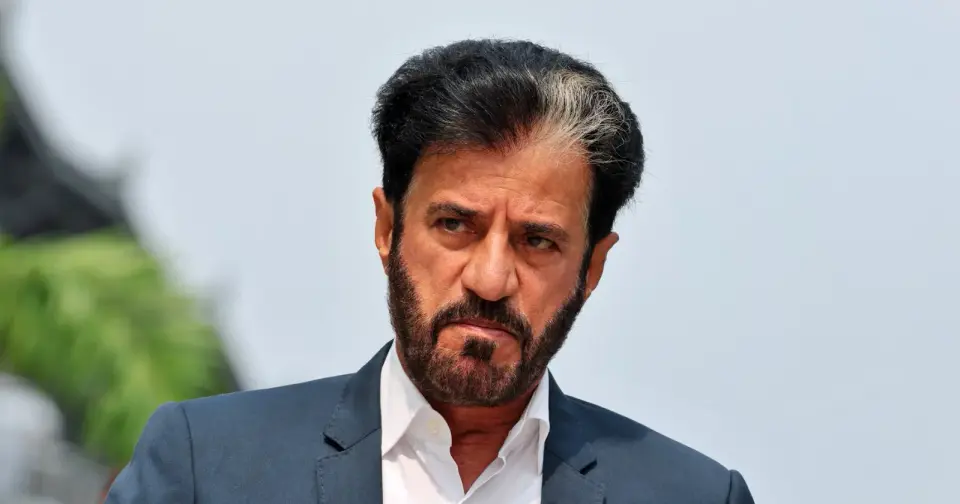
FIA president Mohammed Ben Sulayem has confirmed that Formula 1 will revert to V8 engines for the 2030 season, ending speculation about a 2031 timeline. This announcement coincides with the signing of a 10-year agreement to host the African Grand Prix in Rwanda, which will debut in the early 2030s. The move addresses driver criticism of the current 2026 power unit regulations, which split power output equally between internal combustion and electric systems, and aims to reduce R&D costs while restoring the sound and weight characteristics fans prefer.
Key points
- Ben Sulayem confirmed that the return to V8 engines is scheduled for the 2030 season, rejecting a 2031 timeline.
- The new engines will be approximately 80kg lighter and reduce R&D costs by at least 50% compared to current turbo-hybrids.
- F1 signed a 10-year deal with Rwanda to host the African Grand Prix, the first race on the continent since 1993.
- The new circuit in Bugesera, designed by Hermann Tilke, will feature a 6km, 17-corner layout with a 197m elevation change.
- The 2026 power unit regulations, which mandate a 50/50 power split, have faced fierce criticism from drivers including Max Verstappen and Fernando Alonso.
Background
The 2026 power unit regulations introduced a 50/50 split between internal combustion and electric power, a shift from the 80/20 split of 2025. This change was designed to attract OEMs but has led to performance issues, including cars entering harvesting modes when batteries deplete. In October 2026, a software bug at the Sepang Grand Prix caused a 48-minute delay, intensifying criticism of the current rules. Helmut Marko had previously stated in September 2026 that the 2030 V8 return was a 'done deal,' but this is the first official confirmation from the FIA president.
How outlets are covering it
RacingNews365 emphasizes the technical specifics of the V8 return, highlighting the 80kg weight reduction and 50% R&D cost savings, as well as the driver criticism of the current 50/50 power split. Motorsport.com focuses on the geopolitical and economic aspects of the Rwanda deal, quoting Rwandan president Paul Kagame and F1 CEO Stefano Domenicali on the long-term benefits for tourism and local business. While both outlets confirm the 2030 timeline for V8s, RacingNews365 notes that the Rwanda race will feature these new engines, whereas Motorsport.com details the track's design by Hermann Tilke and its 197m elevation change.
Why it matters
The confirmation of the 2030 V8 return resolves a major regulatory uncertainty that has plagued the 2026 season, potentially stabilizing team budgets and driver satisfaction. The Rwanda deal expands F1's global reach to every inhabited continent, addressing long-standing calls from figures like Lewis Hamilton to include Africa in the calendar. This move could influence future technical regulations and commercial strategies for the sport.
What to watch
F1 and the FIA will monitor the construction of the Bugesera circuit to ensure it meets international standards by 2030. Teams will begin planning for the V8 transition, with R&D budgets expected to decrease significantly. The 2026 season will continue under the current 50/50 power split, with further criticism likely as the season progresses.
- FIA president confirms when V8 engines will make F1 return RacingNews365
- F1 returns to Africa with 10-year deal to race in Rwanda Formula 1
- The African Grand Prix: Why F1 is going to Rwanda and why is it controversial? The New York Times
- Formula 1 to return to Africa in 'early 2030s' as Rwanda race confirmed ESPN
- F1 signs historic 10-year Rwanda deal to host African Grand Prix Motorsport.com
Want the full story? Read the original reporting
Read on RacingNews365