
Marko claims 2030 turbo V8 return is settled after Sepang software chaos
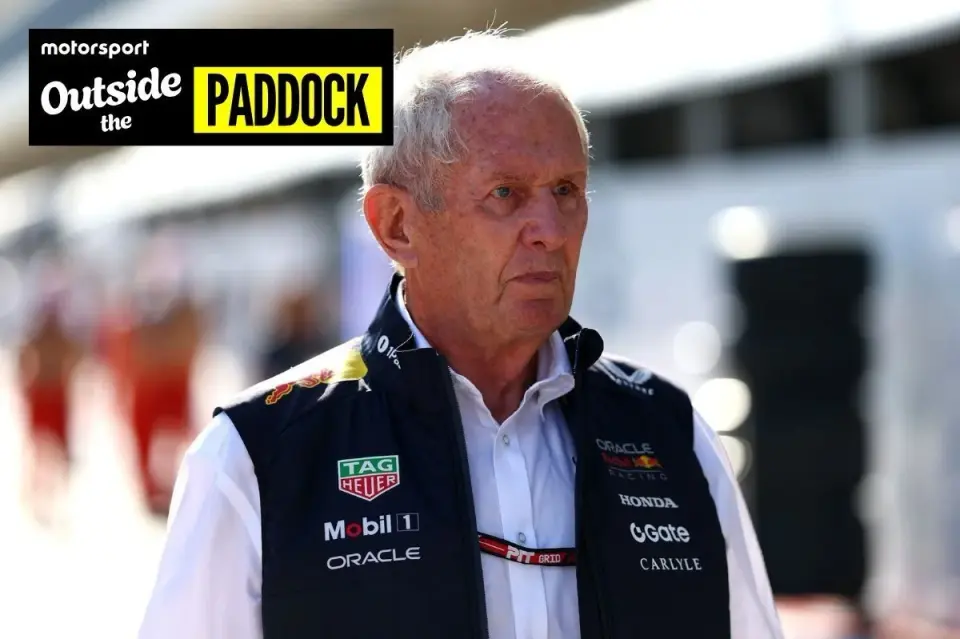
Retired Red Bull advisor Helmut Marko stated in an interview with oe24 that the return to turbocharged V8 engines for the 2030 season is a 'done deal.' This assertion follows a chaotic start to the 2026 Bahrain Grand Prix, held at Sepang, Malaysia, where a software bug in the new power units caused cars to stall during wet-weather formation laps. The incident, which delayed the race by 48 minutes, has intensified criticism of the current 50/50 hybrid regulations and accelerated discussions on future technical rules.
Key points
- Marko confirmed to oe24 that the shift back to turbo V8 engines for 2030 is finalized, citing the Sepang software failure as a catalyst for change.
- The 2026 Bahrain Grand Prix at Sepang was delayed by 48 minutes after a software bug caused multiple cars to lose power during wet-weather formation laps.
- The FIA identified the issue as an 'unprecedented combination' of low engine RPM and specific circuit sectors, issuing a software update within five minutes of the suspension.
- Max Verstappen and Lewis Hamilton mocked the situation, comparing the stalled cars to their previous Lego race appearance at Silverstone.
- The FIA plans to implement further wet-weather software updates for the United States Grand Prix on October 25, 2026.
Background
The 2026 Formula 1 season introduced complex regulations mandating a 50/50 split between internal combustion and electrical power, leading to widespread driver dissatisfaction. Previous archive coverage noted that while political 'done deal' claims often lack substance, in this case, the technical failure at Sepang has provided concrete evidence for regulatory change. The current controversy follows a season where drivers have criticized the lack of control over power delivery and the complexity of the new hybrid systems.
How outlets are covering it
Motorsport.com highlights Marko's definitive statement that the 2030 engine change is confirmed, framing the Sepang incident as a pivotal moment for regulatory reform. Sky Sports focuses on the technical specifics, detailing the FIA's findings that the bug was caused by low RPM in specific sectors and outlining the immediate software fixes for Singapore and the USA. The Guardian emphasizes the 'amateurish' nature of the failure, noting that drivers like Verstappen and Hamilton mocked the situation, and questions the fundamental direction of the sport's regulations. Autosport argues that while the incident was embarrassing, it serves as a necessary wake-up call, suggesting that F1 leadership now recognizes the need to listen less to manufacturers and more to the core racing experience, potentially accelerating the timeline for new regulations.
Why it matters
The Sepang incident exposes the fragility of the 2026 power unit regulations, potentially forcing an earlier transition to simpler, more traditional engine technology. Marko's confirmation of the 2030 turbo V8 return signals a significant shift in Formula 1's technical direction, moving away from complex hybrid systems that have drawn criticism for limiting driver control and creating unpredictable race conditions. This development could reshape the competitive landscape and fan engagement in the coming years.
What to watch
The FIA will implement the same software configuration used in Sepang for the Singapore Grand Prix if wet weather is expected. A further software update is scheduled for the United States Grand Prix on October 25, 2026. Discussions regarding the next regulatory cycle, potentially starting in 2030 or 2031, are expected to intensify as teams and manufacturers evaluate the performance and reliability of the current power units.
- Helmut Marko says F1’s return to turbo V8 engines in 2030 is a "done deal" Motorsport.com
- F1 cars to get software update after Malaysia 'bug' to prevent repeat at future races ESPN
- FIA reveals Bahrain GP 'software bug' findings and planned changes after glitch caused issues before rain-hit Malaysia race Sky Sports
- F1 looks amateurish and incompetent after farcical scenes in Sepang | Giles Richards The Guardian
- No denying it now – the one reason why F1’s ‘horrible’ start in Malaysia could be a good thing Autosport
Want the full story? Read the original reporting
Read on Motorsport.com