
Curry Signs Extension, Forgoing $20M to Aid Warriors' Cap Flexibility
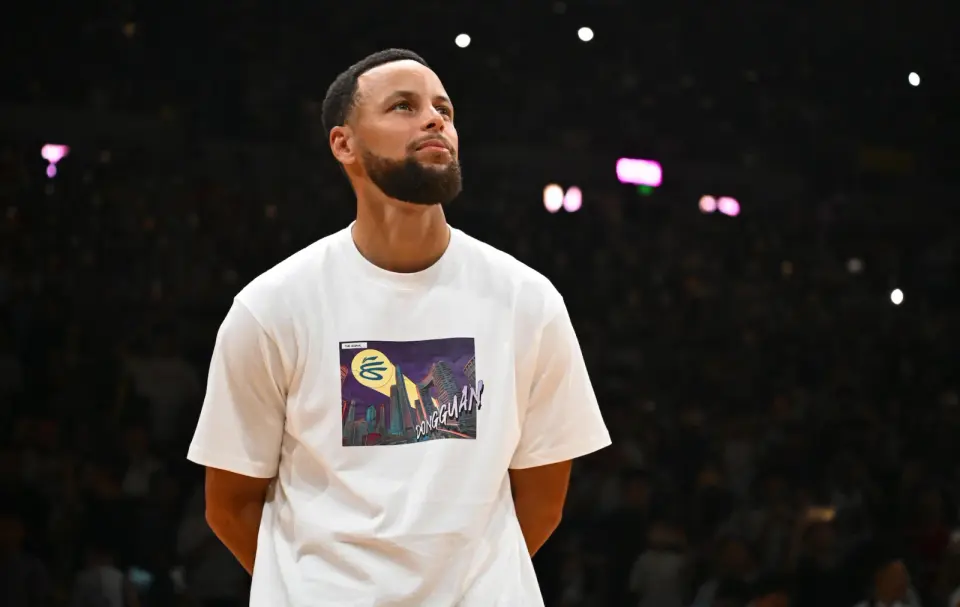
Stephen Curry has signed a two-year contract extension with the Golden State Warriors, accepting a salary reduction of approximately $20 million to create cap space for the team. The deal includes a player option for the 2028-29 season, allowing Curry to remain in San Francisco while potentially helping the franchise acquire additional talent.
Key points
- Curry signed a two-year extension with a player option for the 2028-29 season, entering his 18th season with the Warriors.
- His salary will be $62.6 million for 2026-27, dropping to $55.7 million for 2027-28, and $60.2 million for the optional 2028-29 season.
- The deal represents a $20 million reduction from the maximum possible earnings, a move Curry stated was intended to provide the Warriors with salary-cap room to improve their roster.
- Curry is now the NBA's all-time leader in total earnings, having surpassed the $600 million mark, with a projected total of $649 million by the end of the optional third season.
- The Warriors re-signed several veterans, including Draymond Green, Kristaps Porzingis, and Al Horford, alongside new draft pick Yaxel Lendeborg, in a broader offseason effort to rebuild the roster.
Background
In late September 2026, Curry delayed signing his extension to determine if a financial haircut would unlock enough cap space to pursue star players like Nikola Jokic or Anthony Edwards at the trade deadline. This decision followed a period where he weighed the balance between his desire to win and the team's financial constraints, ultimately choosing to prioritize team flexibility over personal maximum earnings.
How outlets are covering it
NBA.com and the Warriors' official channels emphasized the historic nature of the extension, with GM Mike Dunleavy praising Curry's 'unique leadership and sacrifice' and highlighting his status as the NBA's longest-tenured active player with one franchise. In contrast, Defector framed the $20 million reduction as a 'hometown discount' and a 'three-percent tip' on his career earnings, questioning whether the sacrifice was a genuine act of magnanimity or a strategic move to maintain his elite status. While Defector noted that Curry's total earnings still place him far from the wealth required to own an NBA team, they acknowledged the move as a departure from the typical 'Reverse Kawhi Leonard' trend of players doing less work for more money.
Why it matters
Curry's decision to accept less money sets a precedent for how superstar players can influence roster construction in the modern NBA. By voluntarily reducing his salary, Curry has created the financial flexibility necessary for the Warriors to pursue high-profile trade targets, potentially altering the competitive landscape of the league. This move also underscores the growing trend of players prioritizing team success and cap management over individual maximum compensation, a shift that could influence future contract negotiations across the sport.
What to watch
The Warriors will now use the freed-up cap space to pursue trade targets, with the February trade deadline being a key window for potential acquisitions. Curry's player option for the 2028-29 season will be a critical decision point, as he will likely exercise it to remain with the team, but the outcome will depend on the team's success in acquiring additional talent. The broader NBA may also see a ripple effect, with other players and teams considering similar salary reductions to improve their competitive position.
- Stephen Curry Leaves $20 Million In His Work Clothes Defector
- Sources: Warriors, Curry reach 2-year extension worth $116 million ESPN
- Why did Steph Curry, Kawhi Leonard sign two-year deals? Explaining the over-38 rule - The Athletic The New York Times
- Warriors Sign Guard Stephen Curry to Contract Extension NBA.com
- Warriors' $137M defensive lockdown duo wants to retire with organization amid Steph Curry deal Yahoo Sports
Want the full story? Read the original reporting
Read on Defector