
Judge seals video evidence in Josh Jacobs case, complicating NFL discipline review
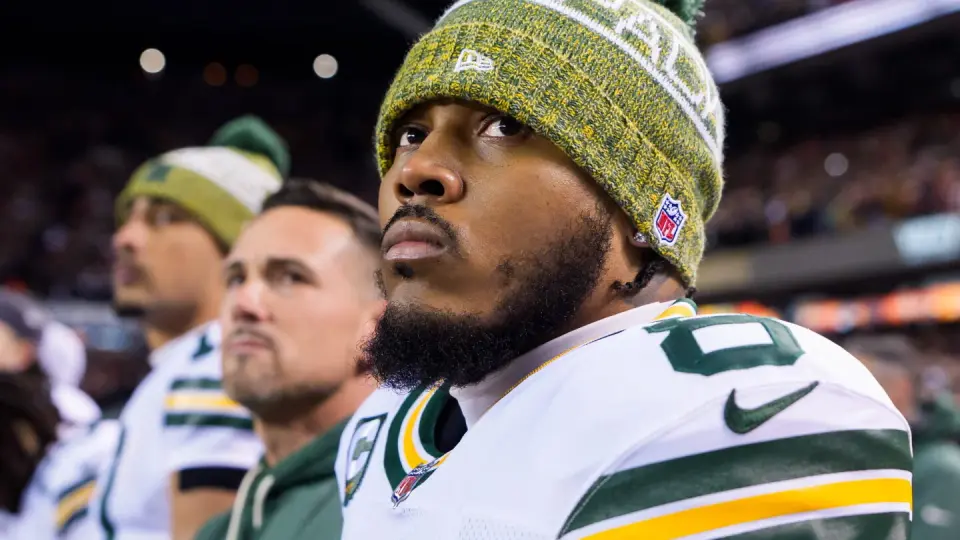
A judge has temporarily sealed the video evidence from the altercation involving Green Bay Packers running back Josh Jacobs, preventing public release during the NFL's ongoing review of his case. The sealing order, requested by Jacobs rather than the prosecution or victim, cites privacy and safety concerns for both parties. This move creates a significant dilemma for the NFL, which must determine appropriate discipline under its Personal Conduct Policy without access to the visual evidence. Jacobs remains on paid leave and the Commissioner’s Exempt List, unable to practice or play, while the league investigates the misdemeanor battery and property damage charges stemming from a May incident in Wisconsin. The situation echoes the Ray Rice controversy, where hidden video footage later altered the league's response, though the NFL has not yet decided whether to demand the video's release or accept its current sealed status.
Key points
- Judge Marc Hammer signed an order temporarily sealing the video evidence in the Josh Jacobs case, preventing public disclosure.
- The sealing request was made by Jacobs, not the prosecution or the victim, citing threats to privacy, dignity, and personal security.
- The order is pending a future motion from the victim or Jacobs, allowing for potential future review of the sealing status.
- The NFL faces a dilemma in determining discipline under the Personal Conduct Policy without access to the sealed video evidence.
- Jacobs remains on the Commissioner’s Exempt List, receiving pay but unable to practice or play, while the league reviews the case.
- The situation draws comparisons to the Ray Rice case, where hidden video footage later led to severe consequences for the player and the league.
Background
In early September 2026, Josh Jacobs pleaded no contest to misdemeanor battery and received a $1,000 fine, with a deferred judgment on criminal damage to property. The charges stem from a May 23 incident in Brown County, Wisconsin, involving his then-girlfriend. Following the plea, the NFL placed Jacobs on the Commissioner’s Exempt List, suspending his ability to play while maintaining his salary. The league has been reviewing the case under its Personal Conduct Policy, with potential suspensions ranging up to six games, though the final discipline depends on the league's findings. The recent sealing of the video evidence adds a new layer of complexity to this ongoing review.
Why it matters
The sealing of the video evidence creates a critical precedent for how the NFL handles cases where visual evidence is withheld from public and league scrutiny. If the league cannot view the footage, it may struggle to justify a suspension or determine the severity of the violation, potentially leading to inconsistent discipline. Conversely, if the NFL demands the video's release, it could face legal challenges and public scrutiny over its methods. This case highlights the tension between privacy rights, legal proceedings, and the NFL's authority to enforce its personal conduct policies, with implications for future cases involving domestic incidents or similar offenses.
What to watch
The NFL will likely decide whether to demand the release of the sealed video or proceed with its discipline review based on available evidence. Jacobs remains on paid leave until the league finalizes its decision. The court order is pending a future motion from the victim or Jacobs, which could alter the sealing status. The outcome will influence how the NFL handles similar cases in the future and may set a precedent for the balance between privacy and league authority.
Want the full story? Read the original reporting
Read on NBC Sports