
Trump’s Posthumous Pardon of Pete Rose Draws Scrutiny Over Factual Error and Legal Limits
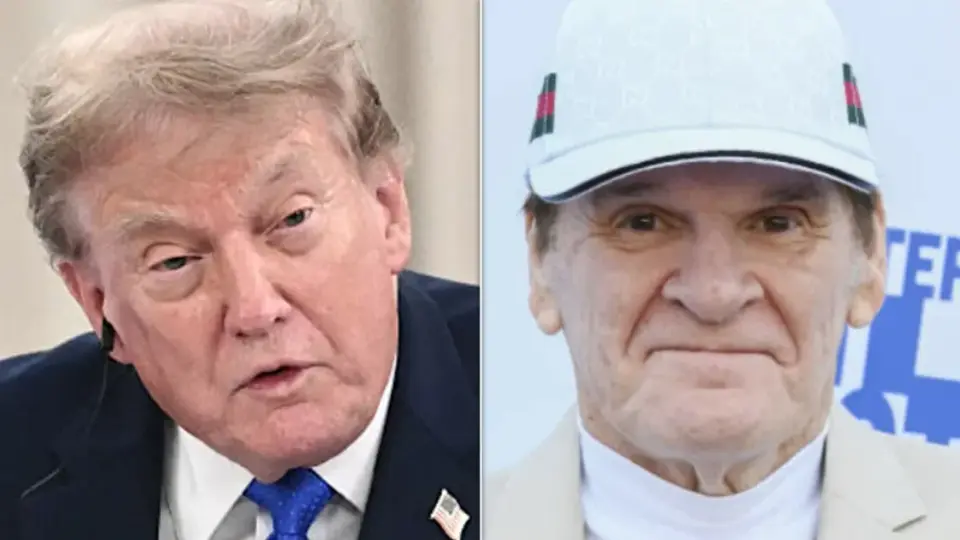
President Donald Trump announced a posthumous pardon for baseball legend Pete Rose on November 19, 2026, but the announcement was marred by a significant factual error regarding Rose’s career statistics. While the pardon forgives Rose’s 1990 federal tax convictions, legal experts and the Justice Department clarify that it has no bearing on his eligibility for the Baseball Hall of Fame, which is determined by separate committees. The pardon follows MLB’s 2025 decision to lift Rose’s permanent ban, potentially allowing his induction as early as 2028.
Key points
- Trump announced a 'complete and total pardon' for Pete Rose on Truth Social, stating Rose's record of 4,256 hits in a season would never be broken.
- The statement contained a factual error: Rose accumulated 4,256 hits over his 24-year career, not in a single season.
- Rose pleaded guilty to two counts of filing false tax returns in 1990 and served five months in federal prison.
- Legal experts and the Department of Justice note that a presidential pardon does not affect Hall of Fame eligibility, which is determined by separate committees.
- MLB Commissioner Rob Manfred lifted Rose's permanent ban in 2025, making him eligible for Hall of Fame consideration as early as 2028.
Background
Pete Rose, who died in 2024 at age 83, was banned from Major League Baseball in 1989 after an investigation found he bet on games while playing and managing for the Cincinnati Reds. He pleaded guilty to federal tax evasion in 1990. Trump had previously lobbied MLB to remove Rose from the banned list, and Manfred issued a decision in May 2025 creating a pathway for Rose's eligibility. The pardon was announced shortly after Rose's death and MLB's reinstatement decision.
How outlets are covering it
HuffPost emphasized the factual error in Trump's announcement, noting that Rose's 4,256 hits were a career record, not a single-season achievement, and highlighted public mockery of the mistake. BBC and The Washington Post focused on the legal and procedural aspects of the pardon, clarifying that it does not affect Hall of Fame eligibility. The Washington Post noted that the tax evasion was not the primary reason for Rose's exclusion from the Hall, which was his betting ban. All sources agreed that the pardon was largely symbolic and did not change Rose's Hall of Fame status.
Why it matters
The pardon highlights the limits of presidential power in sports-related matters and the ongoing debate over Pete Rose's legacy. It also underscores the importance of factual accuracy in public announcements by high-profile figures. The case illustrates the complex interplay between legal forgiveness, sports governance, and historical recognition.
What to watch
The Historical Overview Committee will consider Rose's case for the Baseball Hall of Fame in 2027, with potential induction as early as 2028. The Justice Department and Hall of Fame have not yet commented on the pardon's implications. Public reaction to the factual error in Trump's announcement may continue to draw attention to the issue.
- Trump Totally Flubs Pete Rose Pardon Announcement With Obvious Blunder HuffPost
- Pete Rose posthumously pardoned by President Donald Trump ESPN
- Trump posthumously pardons US baseball legend Pete Rose BBC
- President Trump pardons disgraced MLB star Pete Rose, who died in 2024 The Washington Post
- President Trump says he’s given pardon to Pete Rose. Does it change anything? The New York Times
Want the full story? Read the original reporting
Read on HuffPost