
Female Athletes Reject Sweeney's Nude Sports Ad as 'Cynical' and Demeaning
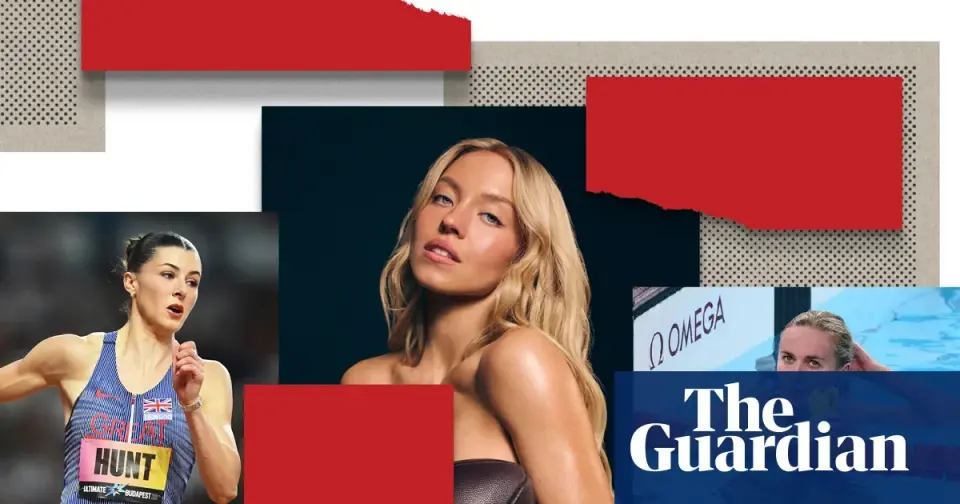
US actress Sydney Sweeney faces intense backlash from elite female athletes over a viral advert for the sports prediction platform Novig. The commercial, which features Sweeney nude while using sports equipment to cover her body, has been condemned by Olympians and champions as a sexualization of women’s sport that ignores the physical realities of athletic performance. While the ad garnered over 22 million views in its first two days, critics argue it reduces women to objects rather than acknowledging their hard work and dedication. Sweeney has responded by sharing images of other athletes posing nude for magazines, a move that has further fueled the debate over gender representation in sports marketing.
Key points
- The Novig advert, viewed 22 million times in 48 hours, features Sweeney nude with sports equipment, prompting widespread criticism from female athletes.
- British sprinter Amy Hunt, a four-time European champion, publicly rejected the ad, stating that women in sport are defined by 'muscles, hard work, blood, sweat, tears' rather than sexualized imagery.
- Australian swimmer Ariarne Titmus called the campaign a 'kick in the face' to women who dedicate their lives to their craft, questioning why monetizing women’s bodies remains prevalent in sports marketing.
- Novig CEO Jacob Fortinsky defended the ad, claiming it forces the brand into national discourse, while PR consultant Mark Borkowski described it as 'cynical soft porn' that may harm Sweeney’s long-term brand sustainability.
- Sweeney responded to the backlash by posting images of other athletes, including Serena Williams and Megan Rapinoe, posing nude for magazine shoots, suggesting the controversy is part of a broader cultural conversation.
Background
This controversy follows earlier reports in September 2026 where the Novig 'Just Sports' campaign first sparked debate over its sexualized imagery. Previous coverage noted that Sweeney, who holds an equity partnership in Novig, helped shape the creative direction. The current backlash extends the initial reaction, with more athletes joining the protest and Sweeney’s response shifting from silence to active engagement on social media.
How outlets are covering it
The Guardian and BBC emphasize the emotional and physical realities of female athletes, highlighting Amy Hunt’s post-race comments and Ariarne Titmus’s outrage. CNN’s coverage is largely obscured by technical code in the provided source, but its title aligns with the narrative of Sweeney being 'under fire.' Novig’s CEO defends the ad as a strategic move to gain attention, while PR experts like Mark Borkowski criticize it as short-sighted marketing that may damage Sweeney’s reputation. The divergence lies in whether the ad is seen as a bold marketing tactic or a harmful misrepresentation of women’s sport.
Why it matters
The controversy highlights ongoing tensions in sports marketing between commercialization and the representation of women. It raises questions about the long-term impact of sexualized advertising on athletes’ public perception and the broader cultural debate over gender equality in sports media.
What to watch
Expect continued debate as Sweeney’s response and Novig’s defense play out in public discourse. The ad’s viral nature may lead to further scrutiny of sports marketing practices, while athletes may continue to use social media to counter sexualized narratives. The impact on Sweeney’s brand and Novig’s user acquisition will be monitored in the coming weeks.
- ‘Sydney Sweeney, this is what women in sport look like’: female athletes spark backlash against viral advert theguardian.com
- Sydney Sweeney under fire from athletes over nude sports-prediction ad CNN
- Sydney Sweeney’s Nude Sports Betting Ad Ignites Backlash Among Female Olympians People.com
- Sydney Sweeney: Athletes including Amy Hunt respond to controversial advert BBC
- Novig CEO: Sydney Sweeney ‘Forces Us Into National Discourse’ Front Office Sports
Want the full story? Read the original reporting
Read on theguardian.com