
Ishbia Defers White Sox Relocation Decision to Reinsdorf Amid Bridgeport Controversy
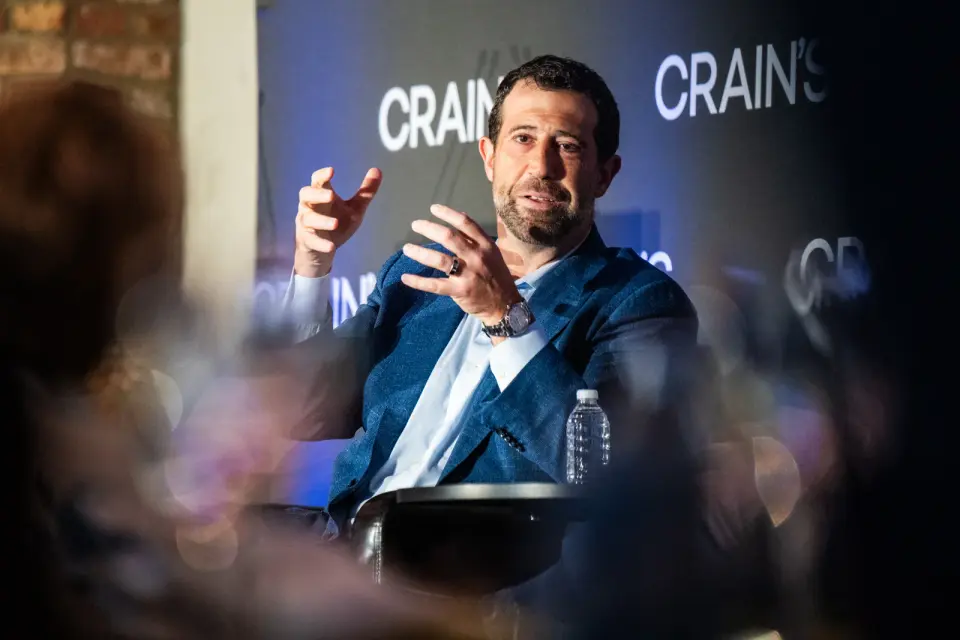
Justin Ishbia, minority owner of the Chicago White Sox, stated that team chairman Jerry Reinsdorf holds sole authority over any decision to move the franchise from Rate Field. Speaking at a West Loop event on October 15, Ishbia distanced himself from the controversy surrounding Amtrak’s $900 million maintenance facility in Bridgeport, asserting that the railroad’s plans are independent of his development ambitions. While Ishbia outlined a vision for a new stadium and mixed-use district in the South Loop, he emphasized that no final decision has been made, and the team’s lease at Rate Field remains in effect until 2029.
Key points
- Ishbia stated that Reinsdorf, not him, will decide the White Sox's future location, with the current lease at Rate Field expiring in 2029.
- Ishbia acknowledged Amtrak's independent decision to build a $900 million maintenance facility in Bridgeport, though he offered to accelerate construction for the railroad.
- The Armour Bridgeport Coalition criticized Ishbia for funding the Amtrak project while ignoring resident concerns about environmental impacts and the potential loss of the team.
- Ishbia proposed a 'Railyards' development in the South Loop, including a stadium, residential units, and transit improvements, aiming to connect Downtown Chicago with Chinatown.
- A White Sox spokesperson confirmed that Ishbia is conducting a site evaluation but that no decision has been made regarding a move from Rate Field.
Background
This dispute follows earlier reports in September 2026 where the Illinois Sports Facilities Authority expressed surprise at Amtrak’s plans, and Ishbia unveiled renderings for a private stadium in the South Loop. The White Sox recently ended a 21-year postseason drought by reaching the ALDS in October 2026, heightening the stakes for the franchise's long-term future.
How outlets are covering it
Block Club Chicago highlights Ishbia’s attempt to separate his developer role from Amtrak’s decisions, noting his offer to build the facility faster. Sox Machine provides a broader analysis of Ishbia’s vision for the South Loop as a civic and economic hub, while also detailing the backlash from Bridgeport residents who view the Amtrak project as a catalyst for the team's departure. Both outlets agree that Reinsdorf retains final control, but Sox Machine emphasizes Ishbia’s ambition to reshape Chicago’s urban landscape, whereas Block Club focuses on the immediate tension between the minority owner and local residents.
Why it matters
The outcome will determine the future of a 100-year-old stadium site and the economic trajectory of two Chicago neighborhoods. A move to the South Loop could trigger significant development, while the Amtrak project in Bridgeport faces potential legal and environmental challenges. The decision also reflects broader trends in how private developers influence public infrastructure and sports franchise locations.
What to watch
Ishbia will present findings from his site evaluation to the White Sox, while Amtrak proceeds with its maintenance facility plans. Reinsdorf is expected to make a final decision on the team's location before the 2029 lease expiration. The Armour Bridgeport Coalition may pursue further legal or political action to challenge the Amtrak project's environmental exemptions.
- Reinsdorf Will Make Final Call On White Sox Move, Not Me, Team’s Minority Owner Says Block Club Chicago
- Justin Ishbia warns Chicago against the ‘cost of doing nothing’ amid Railyards backlash Crain's Chicago Business
- Minority owner Justin Ishbia says Chicago White Sox stadium decision rests with Jerry Reinsdorf as ownership transition awaits ABC7 Chicago
- White Sox owner-in-waiting Justin Ishbia addresses latest Railyards details at Crains forum WGN-TV
- Justin Ishbia’s big bet on the South Loop Sox Machine
Want the full story? Read the original reporting
Read on Block Club Chicago