
ICE Deports Former NFL Linebacker Daniel Adongo to Kenya After Years of Legal and Mental Health Struggles
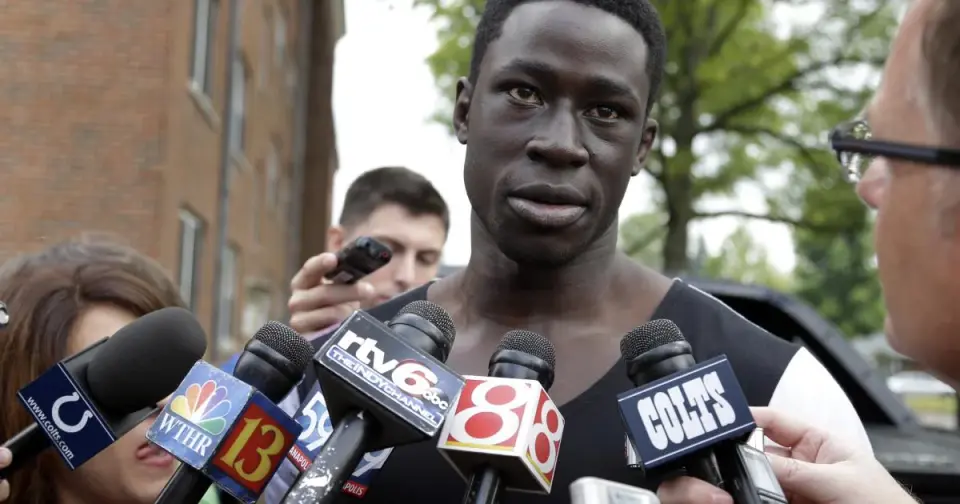
Daniel Adongo, the first Kenyan to play in the NFL, was deported to Kenya in June 2026 after overstaying his visa and facing multiple arrests. ICE cited his criminal record and the Laken Riley Act, while supporters argued his mental health issues and minor convictions were mishandled.
Key points
- Adongo, 37, was removed from the U.S. on June 20, 2026, following a removal order signed by a federal judge on March 23, 2026.
- He played for the Indianapolis Colts from 2013 to 2015, appearing in five games total, before being waived amid domestic violence allegations.
- ICE stated he was arrested multiple times for felony intimidation, battery, and disorderly conduct, with a 2020 conviction for criminal mischief resulting in a 364-day jail sentence.
- Adongo was held without bond under the Laken Riley Act, a law signed in January 2025 requiring detention of undocumented immigrants arrested for specific crimes.
- Supporters and family members argued Adongo suffered from mental illness and possible chronic traumatic encephalopathy (CTE), claiming he was denied proper medical care during detention.
Background
Adongo’s case follows a pattern of high-profile deportations under the current administration’s immigration enforcement. Previous coverage noted his status as a pioneer for Kenyan athletes in the NFL and the controversy surrounding his post-career legal troubles. The Laken Riley Act, enacted in 2025, has been central to mandatory detention policies for undocumented individuals with criminal records.
How outlets are covering it
ICE and the Los Angeles Times emphasized Adongo’s criminal history and the safety of the community, with ICE Chicago Director Douglas Thompson calling him a 'dangerous individual.' In contrast, The Guardian and supporters highlighted his mental health struggles, arguing that his only conviction was a misdemeanor and that his detention worsened his condition. The Guardian noted that ICE did not address why he was not deported earlier for the visa overstay, while ABC News reported that ICE was unable to find current legal representation for Adongo to comment.
Why it matters
Adongo’s deportation illustrates the intersection of immigration policy, mental health, and criminal justice in the U.S. It highlights the impact of the Laken Riley Act on undocumented immigrants and raises questions about the treatment of individuals with mental health issues in immigration detention. The case also underscores the complexities of post-career life for athletes who face legal and personal challenges.
What to watch
There is no indication of further legal action or appeals from Adongo’s side. The case may serve as a precedent for future deportations of individuals with criminal records under the Laken Riley Act. Advocates for mental health and immigration reform may use the case to argue for better treatment of detainees with mental health issues.
- Troubled former NFL linebacker Daniel Adongo deported to Kenya by ICE Los Angeles Times
- ICE deports former Colts linebacker Daniel Adongo over expired visa The New York Times
- First Kenyan to play in NFL deported under Trump immigration crackdown The Guardian
- ICE Chicago removes former NFL player, criminal illegal alien from Kenya ICE | U.S. Immigration and Customs Enforcement (.gov)
- ICE deports former Indianapolis Colts linebacker Daniel Ogama Adongo ABC News - Breaking News, Latest News and Videos
Want the full story? Read the original reporting
Read on Los Angeles Times