
US Open Influencer Disruptions Spark Debate Over Tennis Etiquette and Brand Strategy
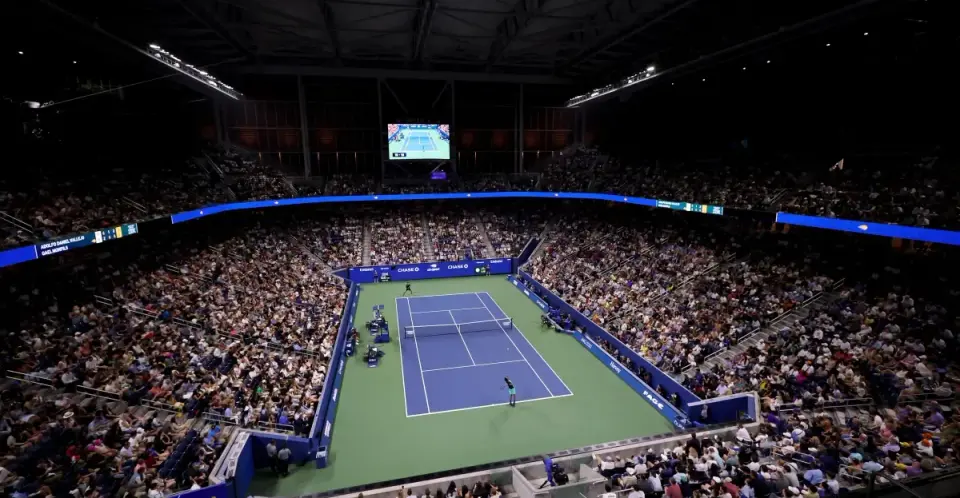
Content creators at the 2026 US Open disrupted Naomi Osaka’s match with ring lights and flash photography, prompting umpire interventions. While the USTA doubled influencer credentials to reach new audiences, players and fans criticized the lack of etiquette. The incident highlights risks in brand-influencer partnerships, with US creator ad spend projected to hit $44 billion this year.
Key points
- During Naomi Osaka’s first-round match against Anastasia Zakharova, influencers in a luxury suite used ring lights and flash photography, forcing the umpire to pause play and demand silence.
- The USTA approved nearly 100 content creators for the 2026 US Open, up from 54 in 2025, aiming to expand the sport’s audience through social media.
- Two influencers, Meg Radice and Audrey Jongens, had their credentials revoked after posting badge images on Instagram; the USTA stated they were improperly submitted via a food vendor list.
- Players were divided: Coco Gauff and Daniil Medvedev supported broader audience reach, while Jessica Pegula called the behavior 'disrespectful' and 'too much.'
- The USTA implemented new on-screen warnings prohibiting flash photography and ring lights, emphasizing that fans must not interfere with competition.
Background
This follows earlier incidents at the 2026 US Open where influencers were ejected for flaunting credentials, as noted in our September 4 archive. The broader trend reflects a surge in creator ad spend, which reached $37 billion in 2025 and is projected to hit $44 billion by year-end, according to The Verge. Recent industry shifts, including Disney’s licensing deal with TikTok, underscore the growing integration of creators into mainstream media and sports marketing.
How outlets are covering it
The Verge frames the disruption as a symptom of risky brand-influencer relationships, noting that creators were 'doing their jobs' but causing annoyance. BBC Sport highlights the tension between growing the sport and maintaining etiquette, citing player quotes from Gauff, Medvedev, and Pegula. ESPN’s source was inaccessible (403 error), so no perspective could be extracted. The Verge and BBC agree on the USTA’s doubling of credentials but differ in emphasis: The Verge focuses on advertising risks, while BBC centers on player reactions and tournament management.
Why it matters
The incident exposes the fragility of using influencers for sports marketing, as their behavior can disrupt live events and alienate traditional fans. With creator ad spend nearing $44 billion, brands face reputational risks when influencers fail to adhere to event protocols. The USTA’s response—tightening rules and revoking credentials—signals a shift toward stricter oversight, potentially influencing how other sports organizations manage digital audiences.
What to watch
The USTA will likely enforce stricter credentialing and on-site monitoring for future events, given the new on-screen warnings. Brands may reassess influencer partnerships for high-stakes live events, prioritizing vetted creators who understand etiquette. The tennis community may debate whether 'Fan Week' expansions should include more structured guidelines for digital content creation.
- Content creators drop the ball The Verge
- Separating fact from fiction: The US Open influencer controversy ESPN
- U.S. Open disputes ‘The VIP List’ food influencers’ account of credentials being revoked - The Athletic The New York Times
- US Open 2026: Naomi Osaka and Jessica Pegula on influencers causing disruption in New York BBC
- Coco Gauff Speaks Out on Influencers Taking Over US Open After Drama Erupts Over Match Disruptions People.com
Want the full story? Read the original reporting
Read on The Verge