
Shanahan admits fault in Tesla crash, highlights risks of autopilot complacency
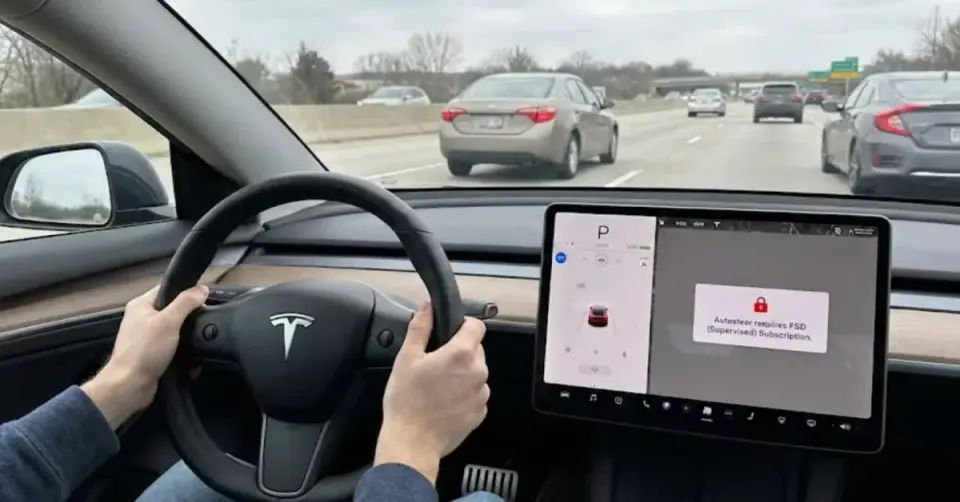
San Francisco 49ers head coach Kyle Shanahan publicly accepted full responsibility for a July 14 crash in Palo Alto, California, where he was driving a Tesla Model S on Autopilot. The accident occurred when he looked away from the road to retrieve a dropped phone, causing the vehicle to drift into oncoming traffic at approximately 20 mph. Shanahan sustained a concussion, a broken nose, three broken ribs, a broken left hand, and 40 stitches over his right eye. He emphasized that driver assistance systems do not absolve the human of responsibility, noting that he has used Autopilot for nine years and was comfortable with the technology. The incident has led to a shift in his perspective on both autonomous driving risks and the severity of concussions, as he prepares to return to coaching duties for the upcoming preseason.
Key points
- Shanahan crashed his Tesla Model S on July 14 near Alma Street and Hamilton Avenue in Palo Alto while returning home from a chiropractor appointment.
- He admitted that he took his eyes off the road for about two seconds to grab a phone that had slipped between the seat and console, causing the car to hit a 21-year-old woman driving an SUV.
- The coach sustained a concussion, a broken nose, three broken ribs, a broken left hand, and 40 stitches over his right eye, but plans to coach in the preseason opener against the Tennessee Titans.
- Shanahan stated that he is unsure whether the Autopilot system malfunctioned or if he inadvertently turned it off while reaching for the phone, but he accepted full blame for the accident.
- The incident has changed his perspective on concussions, making him more empathetic to players dealing with head injuries and more cautious about relying on driver-assistance technology.
Background
Shanahan has been coaching the 49ers for nine seasons, compiling an 82-67 regular season record and two NFC titles. Prior to this incident, he had been using Tesla's Autopilot feature for approximately nine years. The crash occurred while he was traveling at a low speed of roughly 20 mph. Following the accident, he underwent a recovery period that involved limiting his daily coaching duties to manage fatigue and headaches associated with his concussion. He has since returned to the sideline, though he continues to experience some lingering effects from the head injury.
How outlets are covering it
Electrek emphasizes the broader safety implications of Level 2 driver-assistance systems, arguing that Shanahan’s comfort with Autopilot over nine years led to dangerous complacency. The outlet highlights that while Shanahan accepted blame, the incident illustrates a design flaw where systems become so reliable that drivers stop paying attention, only to face sudden failures. CBS Sports focuses on the factual timeline and Shanahan’s recovery, noting that he corrected a police database error that initially blamed the other driver. NBC Sports highlights the personal impact of the concussion on Shanahan’s empathy for players, noting that he now understands the variability and severity of head injuries better than before. All sources agree that Shanahan took responsibility for the crash, but they differ in emphasis: Electrek focuses on technology risks, CBS on the accident details, and NBC on the medical and coaching implications.
Why it matters
This incident serves as a cautionary example for the widespread use of Level 2 driver-assistance systems, which require constant human attention despite their automation capabilities. It underscores the risks of complacency when drivers become overly comfortable with technology that can fail or require immediate intervention. Additionally, the case highlights the importance of accurate accident reporting and the need for drivers to take full responsibility for their actions, even when automated systems are engaged. For the NFL, it provides a real-world example of how concussions can affect individuals outside of sports, potentially influencing how the league handles player health and recovery protocols.
What to watch
Shanahan is expected to continue coaching in the preseason, though he may limit his daily involvement to manage his recovery. He will likely continue to advocate for caution in using driver-assistance systems and may use his experience to educate players about the realities of concussions. The incident may also prompt further discussions about the safety and limitations of Level 2 automation in the automotive industry.
- 49ers’ Shanahan crashed his Tesla on Autopilot reaching for his phone Electrek
- Kyle Shanahan nears full strength, plans to coach preseason opener ESPN
- 49ers coach injured in Tesla crash amid scrutiny of self-driving features NewsNation
- 49ers' Kyle Shanahan says his car was on autopilot at the time of his recent accident CBS Sports
- Kyle Shanahan’s recent concussion changes his perspective on head injuries NBC Sports
Want the full story? Read the original reporting
Read on Electrek