
TWG Global Denies Fraud in Dodgers Financing as Federal Probe Deepens
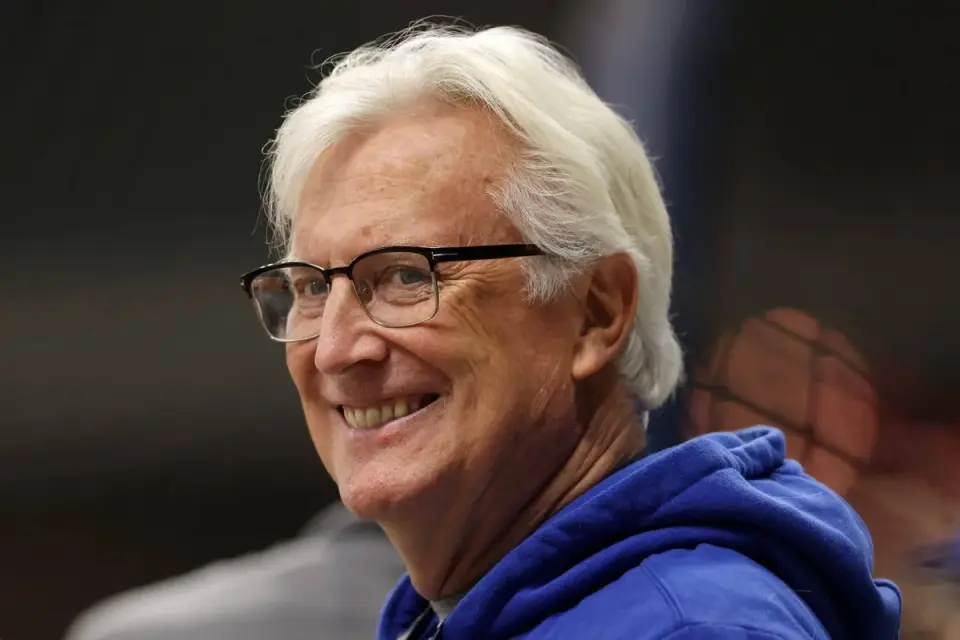
TWG Global issued a statement denying fraud allegations regarding its financing of the Los Angeles Dodgers, asserting that the 2012 purchase was fully compliant with regulations. The company emphasized that the Dodgers are not for sale and that no policyholders have been harmed, despite ongoing federal probes into related-party transactions involving its insurance subsidiaries.
Key points
- TWG Global stated that 'there has been no fraud' and that the Dodgers acquisition in 2012 passed a full investigation by an outside law firm for insurance regulators.
- The company denied that it is conducting a 'fire sale' of its sports assets, clarifying that the Lakers sale at $12.5 billion represented a premium over the previous purchase price.
- TWG Global confirmed it is cooperating with the U.S. Department of Justice and the Securities and Exchange Commission to resolve inquiries into its insurance companies.
- The statement reiterated that the Los Angeles Dodgers are not for sale and that no sale process has been initiated, countering speculation following the recent Lakers transaction.
- TWG Global proposed buying back affiliated loans from its insurance companies to reduce exposure in an orderly manner, addressing concerns about related-party lending.
Background
Mark Walter’s financial empire has faced scrutiny since August 2026, when he sold his controlling stake in the Los Angeles Lakers for $12.5 billion, less than a year after acquiring it for $10 billion. This sale, along with potential divestitures in Chelsea FC, raised questions about the stability of his other holdings, including the Dodgers. Earlier reports indicated that Delaware Life Insurance was swapping up to $6.5 billion of related-party investments to address regulatory concerns, while federal probes examined whether billions in loans from Walter-controlled insurers were properly disclosed as related-party transactions.
How outlets are covering it
The Athletic and CNBC reported that TWG Global’s statement was a direct response to 'multipronged attacks' and 'speculation' in the media, emphasizing that the Dodgers’ high revenue covers its spending and that the team is not for sale. Sports Illustrated, however, highlighted the broader implications for Major League Baseball, noting that the investigation into Walter’s financing structure could complicate MLB’s arguments for a salary cap, as the Dodgers’ financial dominance may be linked to complex ownership structures rather than just on-field performance. While The Athletic focused on the denial of fraud and the stability of the Dodgers, Sports Illustrated emphasized the potential impact on the upcoming collective bargaining agreement and the league’s revenue-sharing model.
Why it matters
The outcome of the federal probe into Mark Walter’s insurance companies could determine the future ownership of the Los Angeles Dodgers and influence Major League Baseball’s approach to financial regulation. If the Dodgers are sold, it could reshape the league’s competitive balance and revenue-sharing dynamics, particularly as MLB negotiates a new collective bargaining agreement. The investigation also raises questions about the transparency of sports team financing and the intersection of insurance investments with sports ownership.
What to watch
TWG Global plans to work with the DOJ and SEC to resolve the inquiries, potentially by buying back affiliated loans from its insurance companies. The future of the Dodgers and other Walter-owned sports assets, including Chelsea FC, remains uncertain, with no sale process initiated for the Dodgers but ongoing interest from prospective buyers. The outcome of the federal probe and any potential sale of the Dodgers could have significant implications for MLB’s financial structure and competitive balance.
- Mark Walter’s TWG Global defends Dodgers financing amid probe: ‘There’s been no fraud’ The New York Times
- TWG Global defends Dodgers' financing amid federal probe ESPN
- Mark Walter’s Financial Troubles Could Have Major Implications on MLB’s Future Sports Illustrated
- Mark Walter's TWG Global says there's 'no fraud' amid probe of insurers' disclosures CNBC
- Exclusive | Mark Walter Lieutenant Was Key to Dodgers Owner’s Complex Lending Machine WSJ
Want the full story? Read the original reporting
Read on The New York Times