
Italy Appoints Mancini After Maldini Resigns Over Pirlo Controversy
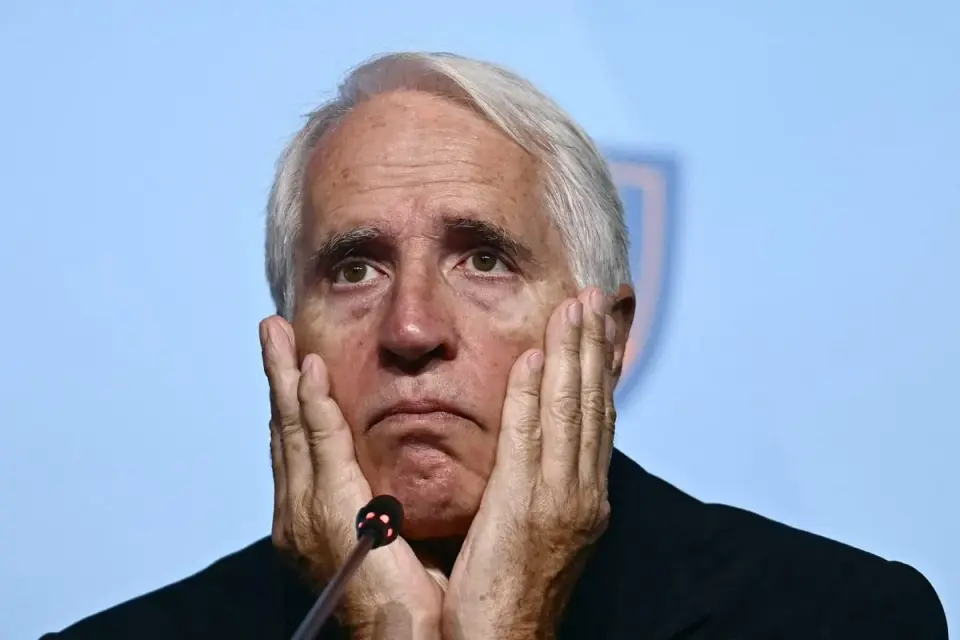
Italy has appointed Roberto Mancini as its new head coach for a second term, following the resignation of technical director Paolo Maldini and adviser Leonardo. The crisis began when the FIGC’s preferred candidate, Andrea Pirlo, withdrew after facing intense backlash over his commercial ties to the Russian betting firm Fonbet. This rapid turnover marks a chaotic start for the Italian Football Federation’s attempt to rebuild the national team after failing to qualify for the third consecutive World Cup.
Key points
- Roberto Mancini was named Italy head coach on July 28, 2026, by FIGC President Giovanni Malago, replacing Gennaro Gattuso.
- Paolo Maldini and Leonardo resigned from their technical roles just 16 days after being appointed, citing the collapse of the Pirlo appointment.
- Claudio Ranieri was appointed as the new technical director to replace Maldini, overseeing elite football development.
- Andrea Pirlo withdrew from the candidacy after politicians criticized his ambassadorship for Fonbet, a Russian betting company linked to pro-Kremlin figures.
- Pep Guardiola and Carlo Ancelotti previously declined the job, with Guardiola preferring a sabbatical and Ancelotti honoring his contract with Brazil.
Background
Italy failed to qualify for the 2026 World Cup after losing to Bosnia and Herzegovina in March, marking the third consecutive tournament miss. This failure led to the resignation of previous FIGC president Gabriele Gravina and coach Gennaro Gattuso. The current administration, led by Giovanni Malago, aimed to restore dignity to the national team by appointing high-profile figures like Maldini, who was seen as a symbol of Italian football excellence. Previous archive coverage noted the initial collapse of the Pirlo bid due to ethical and geopolitical concerns, setting the stage for the current leadership shakeup.
How outlets are covering it
The Athletic provided a detailed narrative on the failed attempts to secure Pep Guardiola and Carlo Ancelotti, highlighting the FIGC’s unrealistic ambitions and the subsequent 'comedown' to Pirlo. The Guardian focused on the immediate crisis created by Maldini and Leonardo’s resignations, emphasizing the lack of a clear strategy for the national team. Al Jazeera reported the final decision, framing Mancini’s return as a pragmatic choice to stabilize the federation. BBC highlighted the political dimension, detailing specific criticisms from Italian politicians and European Parliament members regarding Pirlo’s ties to Russia, while noting support from the Russian ambassador. While all sources agree on the outcome, The Athletic and BBC emphasize the ethical and geopolitical controversies, whereas Al Jazeera and The Guardian focus on the administrative and strategic consequences for the FIGC.
Why it matters
This appointment signals a return to a familiar, albeit controversial, leadership style for Italian football, potentially prioritizing stability over the radical change initially sought. The rapid turnover of top figures like Maldini and Leonardo indicates deep internal dysfunction within the FIGC, raising questions about the long-term viability of their rebuilding project. Furthermore, the controversy surrounding Pirlo highlights the increasing intersection of sports, politics, and ethics in international football, particularly regarding ties to Russia. The choice of Mancini, who previously failed to qualify Italy for the 2022 World Cup, may be viewed as a compromise that lacks the fresh perspective needed to address the team’s current decline.
What to watch
Mancini will begin his second tenure with the goal of qualifying Italy for Euro 2028 and navigating the upcoming Nations League group against France, Belgium, and Turkey. Claudio Ranieri will oversee technical operations and youth development, aiming to implement a more structured approach to talent identification. The FIGC will likely face continued scrutiny over its decision-making processes and the ethical standards of its appointments. The national team’s performance in the autumn friendlies and Nations League matches will be critical in assessing whether this leadership change can restore confidence in Italian football.
- Pirlo, Pep and Paolo: How a summer of self-inflicted controversy left new Italy feeling like the old Italy The New York Times
- Maldini and Leonardo resign from Italian FA after Pirlo appointment falls through The Guardian
- Roberto Mancini to be named Italy head coach for second time, source says Al Jazeera
- Pirlo out of Italy football top job after backlash over Russian betting firm links BBC
- Andrea Pirlo says he won't coach Italy amid betting ties to UAE club ESPN
Want the full story? Read the original reporting
Read on The New York Times