
Pirlo Withdraws from Italy Coach Race After Russian Sponsorship Backlash
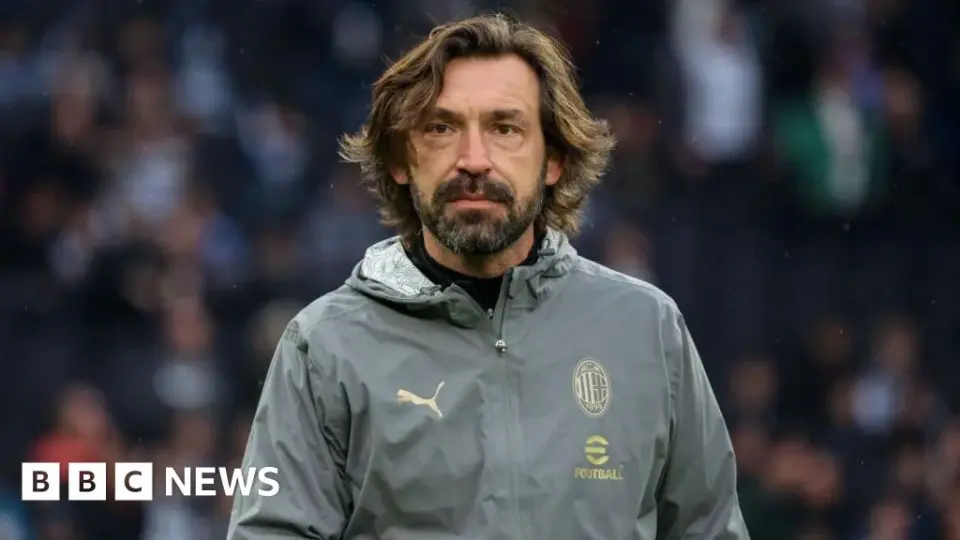
Andrea Pirlo withdrew from contention for the Italian national football team head coach role after intense political backlash over his commercial ties to Russian betting firm Fonbet. Although the Italian Football Federation (FIGC) had not officially confirmed his appointment, he was considered the frontrunner following the rejection of Pep Guardiola and Carlo Ancelotti. Pirlo stated he was informed on Sunday night that he was no longer a candidate. The controversy stems from his role as a global ambassador for Fonbet and his appearance at a Moscow event in May, which coincided with Russian attacks on Ukraine. This setback threatens to trigger further resignations within the FIGC, including technical director Paolo Maldini, as Italy struggles to rebuild its national team after failing to qualify for the third consecutive World Cup.
Key points
- Pirlo confirmed via Instagram that he is no longer a candidate for the Italy head coach position, citing a notification received on Sunday night.
- The controversy centers on Pirlo's role as a global ambassador for Russian betting company Fonbet and his participation in a Moscow event in May alongside pro-Kremlin figures.
- Italian politicians, including Carlo Calenda and Pina Picierno, criticized the potential appointment, arguing that promoting Russia after 2022 is incompatible with national office.
- Pirlo defended his actions as purely commercial and sporting, stating that attributing political meaning to his work implies beliefs he does not hold.
- The failed appointment risks causing the resignation of FIGC technical director Paolo Maldini, who has been in post since July 11, and other senior officials.
- Italy is currently searching for a new coach to navigate a Nations League group featuring France, Belgium, and Turkey, with Antonio Conte and Roberto Mancini among the names being considered.
Background
Italy's national football team has faced a period of significant turmoil, culminating in their failure to qualify for the World Cup for the third consecutive tournament. This failure led to the resignation of coach Gennaro Gattuso and the FIGC president in April. The federation has since appointed new leadership, including FIGC chief Giovanni Malagò and technical director Paolo Maldini, tasked with reviving the team's fortunes. Prior to the Pirlo controversy, high-profile candidates such as Pep Guardiola and Carlo Ancelotti had declined the role. The current crisis adds to a broader pattern of scrutiny regarding Italian football figures' links to Russia, following similar backlash against former AS Roma star Francesco Totti for attending a Moscow event last year.
How outlets are covering it
BBC and Financial Times report on the core facts of Pirlo's withdrawal and the political backlash, but differ in emphasis. BBC highlights the direct quotes from Pirlo and the Russian ambassador, Aleksey Paramonov, who expressed sadness at Pirlo's 'ostracism.' Financial Times provides additional context on the political landscape, noting that Prime Minister Giorgia Meloni's government remained silent, while Senate president Ignazio La Russa voiced unease. FT also highlights support from far-right figure Roberto Vannacci, who argued sport should remain outside politics. Both outlets agree on the commercial nature of Pirlo's defense, but FT places greater emphasis on the potential for further resignations within the FIGC and the specific details of the May Moscow event, including its coincidence with Russian missile attacks on Kyiv. ESPN's source was inaccessible, providing no additional perspective.
Why it matters
This incident underscores the deepening intersection of sports, politics, and international relations in the context of the Russia-Ukraine war. It highlights the increasing sensitivity of Western nations regarding commercial ties with Russian entities, even in non-political spheres like sports sponsorship. For Italy, the crisis threatens to derail the rebuilding of its national football team at a critical juncture, potentially leading to further instability within the FIGC and complicating the search for a new head coach. It also reflects broader challenges in managing public perception and ethical standards in high-profile sports appointments, where commercial decisions can have significant political repercussions.
What to watch
The FIGC is expected to hold crisis talks on Monday to address the fallout from Pirlo's withdrawal. There is speculation that technical director Paolo Maldini may resign, along with other senior officials. The federation will need to quickly identify a new head coach from the remaining candidates, such as Antonio Conte or Roberto Mancini, to prepare for the upcoming Nations League matches against France, Belgium, and Turkey. The FIGC leadership, including Giovanni Malagò, will face pressure to restore credibility and manage the political fallout from this episode.
- Pirlo out of Italy football top job after backlash over Russian betting firm links BBC
- Andrea Pirlo says he won't coach Italy amid betting ties to UAE club ESPN
- Pep Guardiola turns down Italy national team head coach role The New York Times
- Italy’s search for national football coach stumbles over Russia links Financial Times
- Italy search for new coach after Pirlo scandal: Conte, Mancini, Pioli and Palladino Yahoo Sports
Want the full story? Read the original reporting
Read on BBC