
UFL Relocates Birmingham and Houston Franchises Amid Venue and Consistency Concerns
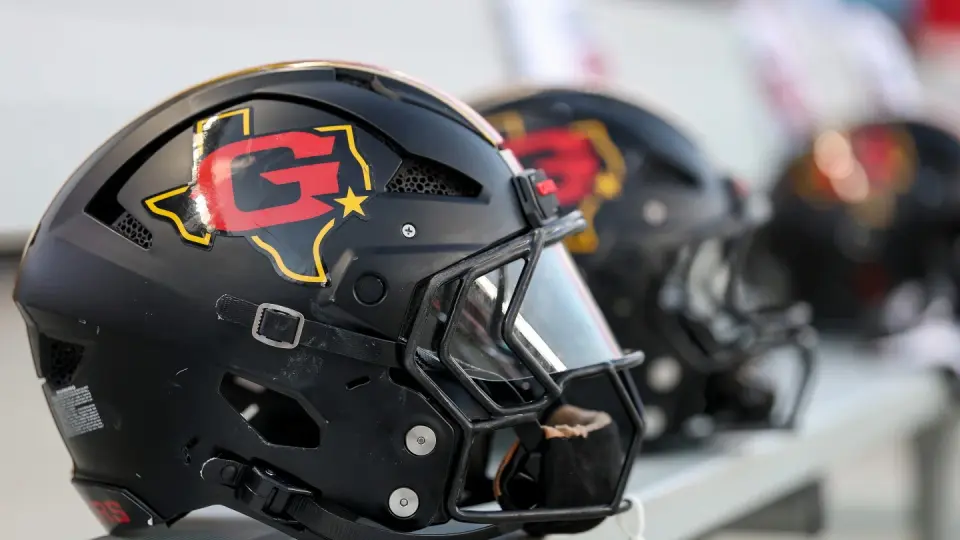
The United Football League (UFL) announced the relocation of its Birmingham Stallions and Houston Gamblers franchises, effective after the 2026 season. The league plans to replace these teams with two new markets in 2027 and expand to 10 teams by 2028, including a new Oklahoma City franchise. UFL co-owner Mike Repole cited venue size as the primary reason for leaving Birmingham, while attributing the Houston move to a lack of consistency in team naming and venue usage. The league aims to reach 12 teams by 2030, potentially accelerating that timeline to 2029.
Key points
- The UFL will relocate the Birmingham Stallions and Houston Gamblers after the 2026 season.
- Two new replacement markets will be added for the 2027 season.
- The league plans to expand to 10 teams by 2028, including Oklahoma City.
- Mike Repole stated the Birmingham decision was 100% due to the venue being too large for the UFL's business model.
- Repole cited inconsistent venue changes and team-name changes as reasons for leaving Houston.
- The UFL aims to reach 12 teams by 2030, with a possibility of accelerating this to 2029.
Background
The UFL previously relocated three teams from Memphis, Michigan, and San Antonio to Columbus, Louisville, and Orlando in 2025. The Birmingham Stallions had won three championships (2022, 2023, 2024) before head coach Skip Holtz departed and was replaced by A.J. McCarron. The league had issued an ultimatum to Birmingham requiring over 5,000 season ticket deposits to retain the franchise.
How outlets are covering it
NBC Sports and WBMA reported that the UFL is pursuing a 'strategic market realignment' to ensure long-term sustainability, with Repole emphasizing the need for the 'right market, right sized venue, and passionate fan base.' WVTM highlighted that Birmingham local partners, including the Birmingham-Jefferson Convention Complex (BJCC), met all league requests but faced a shifting business model favoring smaller venues. BJCC CEO Tad Snider argued that the decision was not about Birmingham's support but the league's evolving strategy, noting that Protective Stadium's size was once an advantage but is now a disadvantage. Eventive Sports President Gene Hallman stated that Birmingham fulfilled expectations and that the move was solely due to stadium size. Repole acknowledged that even with 16,000 fans at the home opener, the atmosphere was diminished by the venue's size, and he expressed willingness to return if Birmingham provides a smaller stadium. For Houston, Repole noted that the city was a great sports market but that the league failed to provide consistency due to venue and name changes.
Why it matters
The relocation of two major UFL franchises signals a significant shift in the league's strategy, prioritizing venue size and consistency over established markets. This move could impact the future of spring football in Birmingham and Houston, while also influencing the league's expansion plans and the viability of smaller venues for professional football. The decision may also affect local economies and sports infrastructure in both cities, as well as the broader landscape of professional spring football.
What to watch
The UFL will announce the two new replacement markets for the 2027 season. The league will continue to evaluate markets for expansion, with a goal of reaching 10 teams by 2028 and 12 teams by 2030. Birmingham local leaders will likely discuss the possibility of building a smaller stadium to attract the UFL back, while Houston may seek to retain other sports franchises or develop new venues. The UFL will also monitor the performance of its new markets and adjust its expansion timeline as needed.
Want the full story? Read the original reporting
Read on NBC Sports