
UFL Exits Birmingham and Houston Amid Venue Size Disputes
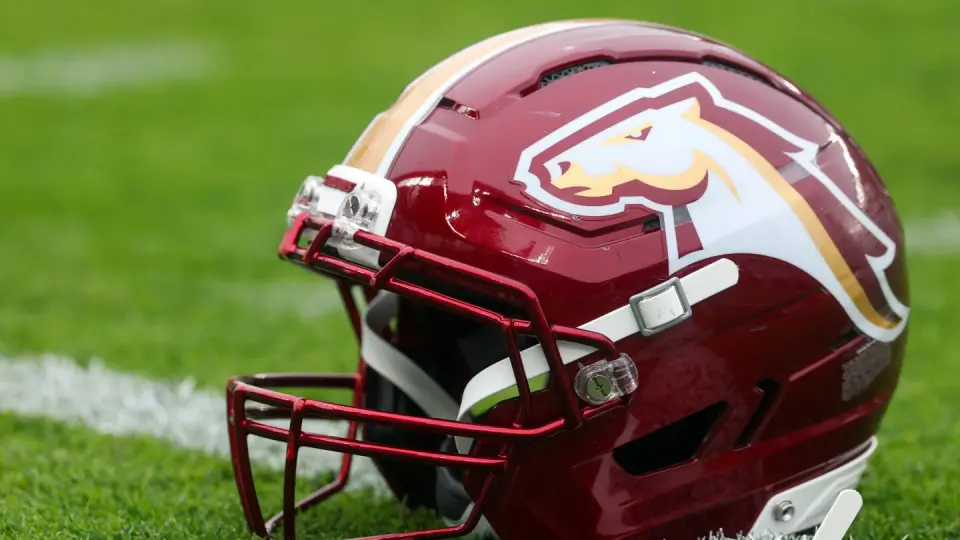
The United Football League (UFL) will discontinue operations in Birmingham and Houston, citing venue size mismatches. Co-owner Mike Repole stated that Protective Stadium’s 47,000 capacity prevents the packed atmosphere required for the league’s business model. The UFL plans to replace these franchises with new markets in 2027 and expand to 10 teams by 2028, targeting 12 teams by 2030.
Key points
- UFL announced the departure of the Birmingham Stallions and Houston franchise as part of a strategic realignment.
- Mike Repole cited Protective Stadium’s 47,000-seat capacity as the primary reason for leaving Birmingham, arguing it dilutes game-day energy.
- The league explored the Hoover Metropolitan Complex but rejected it due to scheduling conflicts during the spring season.
- Birmingham’s attendance dropped from a record 18,000 at the home opener to under 6,000 in final games, despite on-field success.
- The UFL aims to add two new replacement markets for 2027 and expand to 10 teams by 2028, including Oklahoma City.
Background
The UFL has previously relocated franchises to smaller venues in Columbus, Louisville, and Orlando to improve attendance and atmosphere. Birmingham had been a key market since the USFL era, winning three consecutive championships under former coach Skip Holtz. The league’s strategy emphasizes smaller stadiums to create a stronger home-field advantage and lower operating costs.
How outlets are covering it
NBC Sports and WBRC reported the official decision to leave Birmingham and Houston, framing it as a strategic realignment. WBMA highlighted Repole’s public criticism of Protective Stadium’s size and his rejection of the Hoover Metropolitan Complex due to scheduling issues. Pro Football Newsroom noted the contrast between Birmingham’s declining attendance and Louisville’s consistent crowds at a smaller venue. BJCC CEO Tad Snider expressed pride in the partnership but acknowledged the UFL’s shift toward smaller venues. Repole emphasized that the decision was not a reflection of fan dedication but a necessary move for long-term sustainability.
Why it matters
The UFL’s exit from Birmingham and Houston signals a pivot toward smaller, more intimate venues to ensure consistent attendance and energy. This move may reshape the league’s market strategy and influence future stadium development in spring football. The decision also highlights the tension between large, multi-purpose stadiums and the UFL’s preference for packed, smaller venues.
What to watch
The UFL will announce two new replacement markets for 2027 and expand to 10 teams by 2028, including Oklahoma City. The league is actively evaluating other markets and may accelerate its timeline to reach 12 teams by 2029. Birmingham and Houston may see new proposals for smaller venues to attract future spring football teams.
- UFL will pull plug on Birmingham Stallions NBC Sports
- United Football League decides fate of Birmingham Stallions AL.com
- UFL owner says Hoover Met won't work, renews criticism of Protective Stadium WBMA
- Mike Repole Puts Birmingham Stallions Future In Question Pro Football Newsroom
- Stallions to leave Birmingham WBRC
Want the full story? Read the original reporting
Read on NBC Sports