
WTA Apologizes After Live Audio Captures Pegula’s ‘Diva’ Remarks About Andreeva
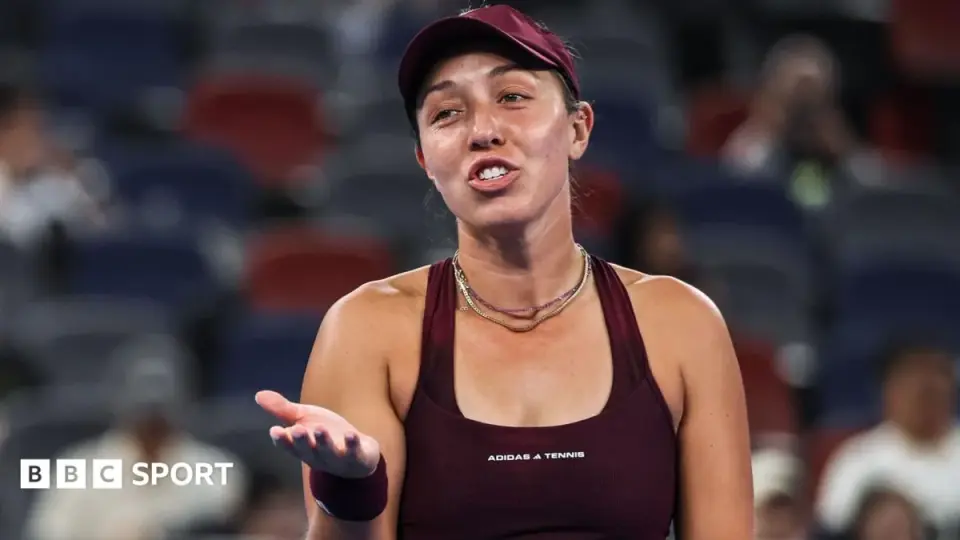
The Women's Tennis Association has apologized for broadcasting live audio from practice sessions at the WTA Finals in Indian Wells, which captured world No. 5 Jessica Pegula calling French Open champion Mirra Andreeva a 'diva.' Pegula, who was unaware the microphones were active, later contacted Andreeva and her coach directly. The incident has intensified debates about player privacy, with the WTA agreeing to continue streaming practice videos but removing the audio feed.
Key points
- WTA chair Camillo admitted the organization failed to inform players that microphones were active during practice sessions at the WTA Finals in Indian Wells.
- Jessica Pegula was heard on a livestream calling Mirra Andreeva a 'diva' and stating she 'needs to be humbled,' while also criticizing Andreeva's coach, Conchita Martinez.
- Pegula's representative stated she was 'completely unaware' the conversation could be heard by courtside microphones and that she had been in direct contact with those involved.
- The WTA acknowledged a lack of advanced notice and clear signage regarding the recording equipment, taking full responsibility for the failure to ensure players were properly informed.
- The tour has decided to continue livestreaming practice sessions but will remove the audio feed to balance fan access with player privacy.
Background
This incident follows a broader debate regarding player surveillance that began at the Australian Open in January. At that time, Coco Gauff called for more privacy after being filmed smashing a racquet in what she believed was a private area. Similarly, Iga Swiatek criticized behind-the-scenes cameras, stating players were being watched 'like animals in the zoo.' These earlier concerns highlight a recurring tension between the WTA's efforts to bring fans closer to the game and the players' need for safe, private spaces.
How outlets are covering it
While both BBC Sport and The Guardian report the core facts of the apology and the leaked audio, they emphasize different aspects of the response. The Guardian highlights the WTA's admission that it failed to inform players and its decision to remove audio from future streams, framing it as a failure of responsibility. BBC Sport focuses more on Pegula's personal response, noting her direct contact with Andreeva and her argument that increased surveillance is 'highly unnecessary.' Both outlets agree that the incident has reignited the conversation about privacy, but The Guardian places greater weight on the institutional failure, while BBC Sport centers the player's perspective on the evolving landscape of tournament surveillance.
Why it matters
The incident underscores the growing conflict between the commercialization of sports through live streaming and the fundamental right of athletes to privacy. By admitting fault and changing its broadcasting policies, the WTA sets a precedent for how governing bodies must manage the tension between fan engagement and player welfare. This case may influence future regulations regarding surveillance at major tournaments, potentially leading to stricter guidelines on audio and video monitoring in private areas.
What to watch
The WTA Finals are set to begin on Sunday, with Pegula and Andreeva drawn into different groups, meaning they cannot meet until the semi-finals. The tour will continue to livestream practice sessions but without audio. The incident is expected to keep the topic of player privacy at the forefront of discussions throughout the remainder of the season, potentially leading to further policy reviews by the WTA.
- WTA chair apologises to Jessica Pegula after airing of 'diva' comment BBC
- The Jessica Pegula hot mic moment should never have happened. Tennis still needs more of it - The Athletic The New York Times
- Pegula -- Hot mic comments about Andreeva an 'unfortunate situation' ESPN
- Jessica Pegula Caught in Video Recording Shading Coco Gauff and Mirra Andreeva People.com
- WTA apologizes after hot mic captures Pegula’s ‘diva’ remarks about Andreeva The Guardian
Want the full story? Read the original reporting
Read on BBC