
Runners wade through knee-high water in New Jersey half-marathon despite flash flood warnings
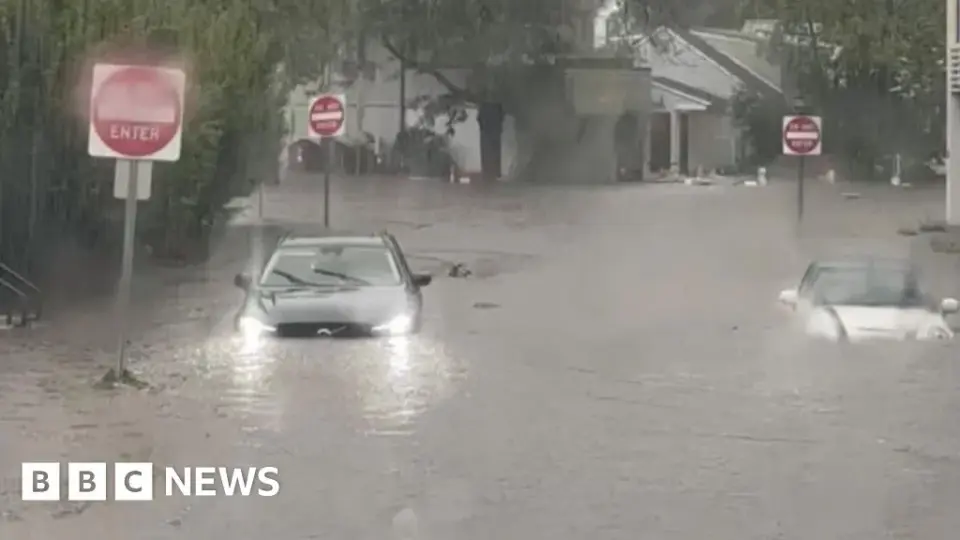
The Racefaster Half Marathon in Paramus, New Jersey, proceeded on Sunday despite severe flash flooding, forcing approximately 250 runners to wade through waist-deep water. The event, which started two hours late at 10 a.m., saw participants navigate submerged trails and cling to railings near the Saddle River. While no injuries were reported, the decision to continue the race drew criticism from participants who noted the lack of cancellation notices despite active flood alerts.
Key points
- The race began at 10 a.m. instead of the scheduled 8 a.m. due to weather, but organizers did not cancel the event.
- Runners reported water levels reaching waist and chest height, particularly around river crossings and underpasses.
- Approximately 250 runners completed the course, with some clinging to guardrails to avoid being swept away.
- Paramus received between four and five inches of rain on Sunday, causing significant pooling along the route.
- No injuries or fatalities were reported during the event.
Background
This incident occurred during a broader period of severe weather across the tri-state area. On September 14, 2026, heavy rains triggered flash floods across Connecticut, New York, and New Jersey, leading to road closures, water rescues, and transit disruptions. While the broader regional flooding resulted in no immediate fatalities, the specific conditions in Bergen County created hazardous scenarios for the marathon participants. This follows a trend of extreme weather events impacting outdoor activities in the region, though distinct from the record-breaking performances seen in international half-marathons earlier in the year.
How outlets are covering it
NBC New York and The New York Post both highlighted the controversy surrounding the decision to proceed with the race. NBC emphasized the lack of communication from race directors, noting that runners received no cancellation emails despite active flash flood alerts on their phones. The New York Post focused on the viral nature of the event, noting that former 'The Bachelorette' contestant Zac Clark shared video of himself wading through the water, which sparked public debate about safety protocols. Both outlets noted that race organizers did not respond to requests for comment. In contrast, BBC News covered the broader impact of Storm Rachel, which caused flooding in Las Vegas and large waves in Long Beach, but did not specifically detail the New Jersey marathon incident, focusing instead on the wider regional impact of the post-tropical cyclone.
Why it matters
The incident raises questions about risk management and communication protocols for large-scale outdoor events during extreme weather. The decision to delay rather than cancel the race, despite active flood warnings and hazardous conditions, highlights the tension between event logistics and participant safety. The viral spread of footage showing runners in waist-deep water has intensified scrutiny on how organizers assess and respond to real-time weather threats, potentially influencing future safety standards for similar events in the region.
What to watch
Regulators and event safety boards may review the decision-making process behind the Racefaster Half Marathon to determine if protocols for weather-related cancellations need updating. Organizers may face public pressure to justify their choice to proceed despite the hazardous conditions. Additionally, local authorities in Bergen County may continue to monitor the Saddle River area for any lingering flood risks or infrastructure damage resulting from the heavy rainfall.
- Watch: Flash flooding interrupts half-marathon, submerges cars BBC
- ‘Bro, this is nuts!': Marathon runners race straight into torrential flooding NBC New York
- Zac Clark's Race Day Video of Runners in Floodwaters Sparks Safety Concerns Yahoo
- ‘Bachelorette’ star Zac Clark among runners caught in wild NJ flash flooding during half-marathon: ‘Bro this is nuts!’ New York Post
- 'Disregard for our safety' | New Jersey half-marathon runners race half-underwater during flooding 10TV
Want the full story? Read the original reporting
Read on BBC