
Mobile Mechanic Refuses Brake Job on Honda with Pristine OEM Parts
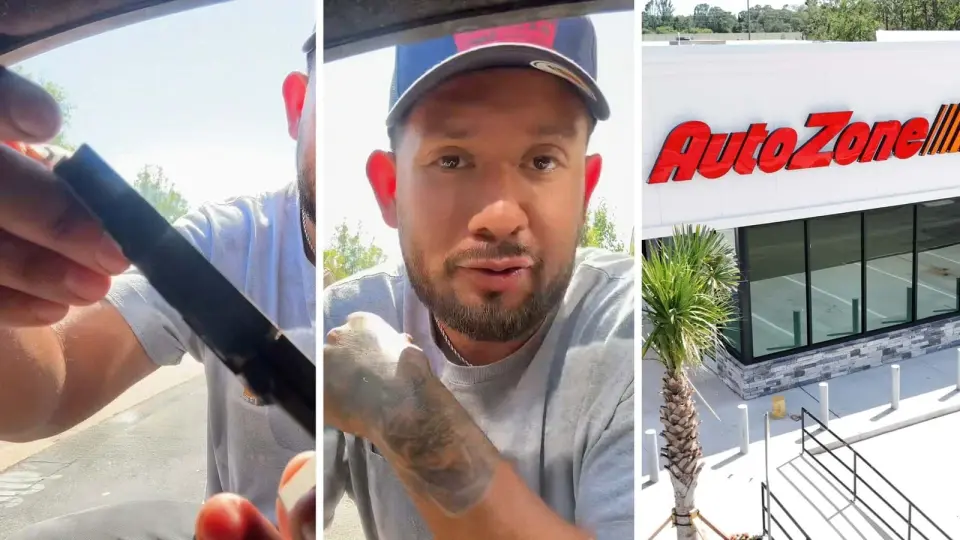
A mobile mechanic in Inland Empire, California, declined to replace a Honda owner's brake pads after discovering the existing OEM parts were in excellent condition. The technician, Rick, argued that swapping functional original equipment for aftermarket Duralast components was unnecessary and potentially inferior. This incident highlights broader consumer skepticism regarding automotive repair recommendations, with surveys indicating that most drivers distrust shop advice and seek second opinions.
Key points
- Rick, a mobile mechanic, inspected a Honda's brakes and found the pads and rotors to be in near-perfect condition, with no noise or vibration issues.
- The customer requested a swap to Duralast parts from AutoZone, but Rick refused, stating the original parts had at least seven months of life remaining.
- Rick chose to grease and inspect the existing components rather than perform the paid replacement, prioritizing the customer's interest over immediate revenue.
- The customer appreciated the honesty, though some commenters suggested Rick should have investigated why the owner believed the brakes were failing.
- A 2023 Consumer Affairs survey found that 78% of drivers lack confidence in auto shops' honesty, and 83% seek second opinions for recommended repairs.
Background
This story touches on the ongoing debate regarding the quality of aftermarket parts versus original equipment manufacturer (OEM) components. While Duralast is an exclusive AutoZone brand, opinions vary between its standard line and the higher-tier Duralast Gold, which is manufactured by Bosch. The incident also reflects a wider trend of consumers seeking transparency in service, as evidenced by previous discussions on consumer trust in technical services. Unlike the unrelated archive items regarding atmospheric science or medical prosthetics, this narrative focuses specifically on the intersection of mechanical integrity and consumer ethics in the automotive sector.
Why it matters
The refusal to perform unnecessary work underscores the ethical challenges in the automotive repair industry, where trust is often low. By declining a profitable but unnecessary job, the mechanic demonstrated a commitment to customer welfare that aligns with the desires of a skeptical consumer base. This case study illustrates the tension between commercial incentives and technical honesty, potentially influencing how consumers approach repair decisions and how mechanics navigate customer expectations versus professional standards.
What to watch
The mechanic plans to continue monitoring the vehicle's brake system to ensure the customer is aware of when actual replacement is needed. There is no indication of further action from Honda or AutoZone, as the incident remains a private service interaction. The broader conversation may continue online regarding the reliability of Duralast products versus OEM parts, but no official regulatory or corporate response is anticipated from this single anecdote.
Want the full story? Read the original reporting
Read on Motor1.com