
Seven Four-Cylinder Cars That Defy Supercar Conventions
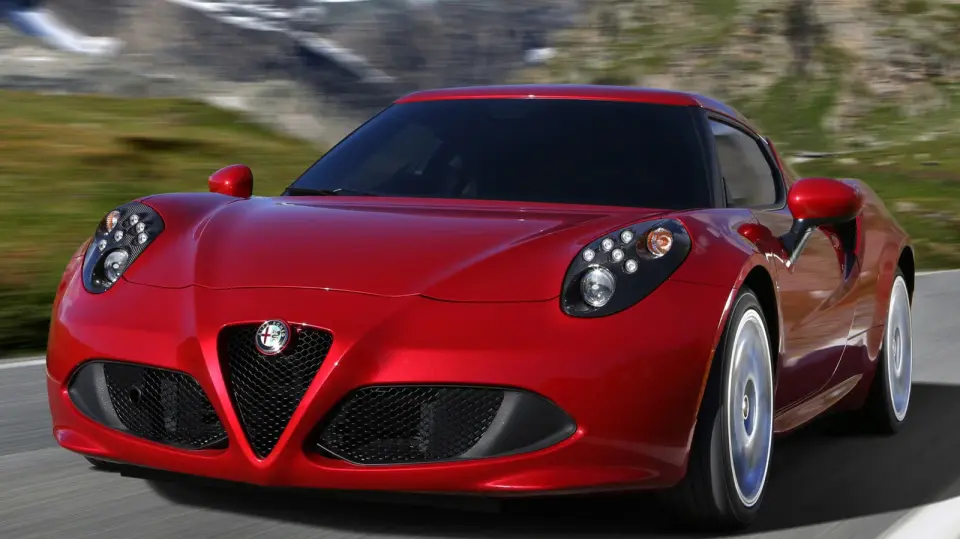
Jalopnik highlights seven four-cylinder vehicles, ranging from the 1960s ASA 1000 GT to the 2024 Lotus Emira, that achieve supercar-level performance through lightweight construction, turbocharging, or advanced engineering. These models challenge the traditional definition of supercars, which typically requires V8, V10, or V12 engines. Key examples include the Lotus Esprit, which reached 170 mph with a 300 hp four-cylinder, and the Alfa Romeo 4C, which uses a carbon-fiber monocoque to achieve a 0-60 mph time of 4.2 seconds with just 237 hp. The list also features rare homologation specials like the Porsche 968 Turbo S and the single-seater BAC Mono, demonstrating that cylinder count is not the sole determinant of high performance.
Key points
- The article identifies seven four-cylinder cars from 1960 to 2024 that meet supercar performance standards.
- The Lotus Esprit evolved from 160 hp to 300 hp, achieving a 0-60 mph time of 4.6 seconds and a top speed of 170 mph.
- The Alfa Romeo 4C utilizes a 143-pound carbon-fiber monocoque and a 1.7-liter turbocharged engine to reach 60 mph in 4.2 seconds.
- The Porsche 968 Turbo S, with only 14 road-going examples, features a 305 hp engine and sold for up to $775,000.
- The BAC Mono uses graphene panels and a 343 hp engine to lap the Red Bull Ring six seconds faster than a Ferrari LaFerrari.
- The Lotus Emira 420 Sport, equipped with a 414 hp Mercedes-AMG four-cylinder, achieves 0-60 mph in 3.9 seconds.
Background
Recent automotive coverage has focused on the capabilities of small-displacement engines. In September 2026, analysis of three-cylinder vehicles highlighted how turbocharging and weight reduction allow models like the Toyota GR Corolla and Morgan Super 3 to deliver significant performance. Similarly, discussions on practical sports cars noted that while the MX-5 Miata is iconic, rivals offer more utility. This current piece extends that theme by examining four-cylinder engines, showing how historical and modern engineering can rival traditional high-cylinder-count supercars.
Why it matters
This list challenges the conventional automotive hierarchy that equates supercar status with high cylinder counts. By showcasing vehicles that achieve elite performance through lightweight materials, turbocharging, and aerodynamic design, it highlights the evolution of engineering efficiency. It also underscores the value of rare homologation specials and niche manufacturers like BAC and Lotus in pushing performance boundaries without relying on large displacement engines.
What to watch
The Lotus Emira is expected to continue production beyond 2027 with new powertrains, potentially including a plug-in hybrid and an upgraded V6. The market for rare four-cylinder supercars, such as the Porsche 968 Turbo S, remains highly competitive, with valuations exceeding $1 million. The continued development of lightweight materials and turbocharged small engines suggests that four-cylinder performance will remain a viable alternative to traditional supercar configurations.
Want the full story? Read the original reporting
Read on Jalopnik