
Ten Ultra-Rare Pony Cars Command Seven-Figure Prices
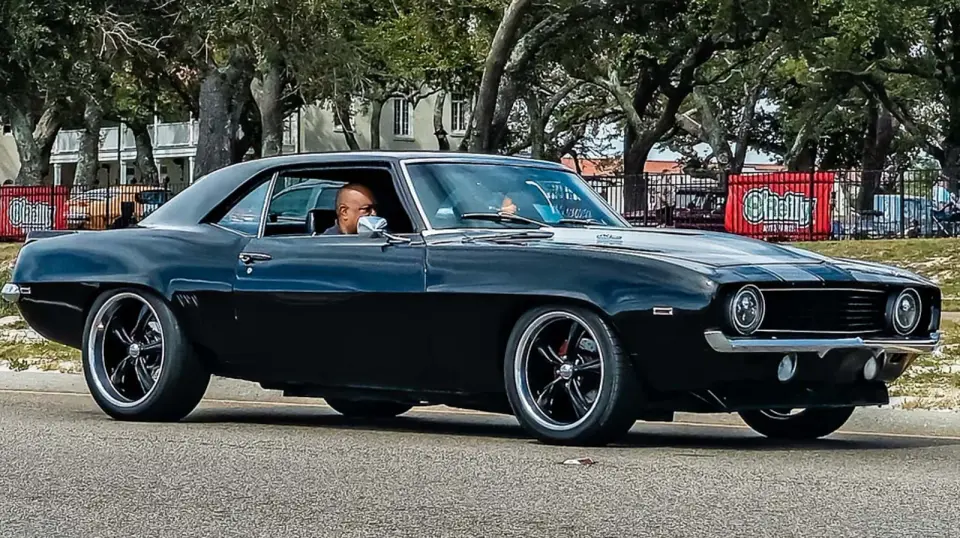
Jalopnik highlights ten exceptionally rare 1960s and 1970s American pony cars, noting that while standard models remain common, specific high-performance variants and factory specials now fetch prices ranging from $100,000 to over $3.5 million. The list includes one-off prototypes like the 1967 Shelby GT500 Super Snake and the 1968 Shelby EXP 500 Green Hornet, as well as limited-production models such as the 1969 Chevrolet Camaro ZL1 and the 1971 Plymouth Hemi 'Cuda Convertible. These vehicles feature advanced engineering for their time, including fuel injection, independent rear suspension, and lightweight aluminum engine blocks, distinguishing them from standard muscle cars.
Key points
- The 1967 Shelby GT500 Super Snake, a one-off vehicle, sold for $2.2 million in 2019; it featured a 600-horsepower V8 from the Ford GT40 Mk II and was built to test Goodyear tires.
- The 1968 Shelby EXP 500 Green Hornet was a prototype featuring fuel injection and independent rear suspension decades before these technologies became standard; it is currently in a private collection.
- The 1969 Chevrolet Camaro ZL1 was produced in only 69 units, featuring an all-aluminum 427-cubic-inch V8 that weighed 100 pounds less than its cast-iron counterpart.
- The 1971 Plymouth Hemi 'Cuda Convertible is one of the rarest pony cars, with only 11 convertibles built; one sold for $3.5 million in 2014.
- The 1992 Pontiac Firebird SLP Firehawk was a budget supercar with only 25 units produced, featuring a 350-horsepower V8 and carbon fiber clutch.
Background
The 1960s and 1970s saw the mass production of American pony and muscle cars, with Ford alone selling 2.7 million Mustangs between 1964 and 1971. While these vehicles were once ubiquitous, specific high-performance variants and experimental prototypes have become extremely scarce. Recent archival coverage of rare automotive items, such as the 1980 Triumph TR8 barn find, highlights the ongoing interest in preserving and valuing unique automotive history.
Why it matters
The valuation of these rare pony cars reflects the shifting dynamics of the classic car market, where scarcity and historical significance drive prices into the millions. These vehicles represent a transition in automotive engineering, featuring technologies like fuel injection and lightweight materials that were decades ahead of their time. Their high auction prices indicate a strong demand among collectors for unique, historically significant vehicles that offer a glimpse into the innovation of the 1960s and 1970s.
What to watch
As the supply of these rare pony cars remains fixed, their value is likely to continue rising, especially for one-off prototypes and limited-production models. Collectors and investors may continue to seek out these vehicles, driving up prices at major auctions. The preservation of these cars, including restoration efforts to return them to their original specifications, will remain a key focus for enthusiasts and historians.
Want the full story? Read the original reporting
Read on Jalopnik