
J-B Weld: A Versatile but Limited Adhesive for DIY Repairs
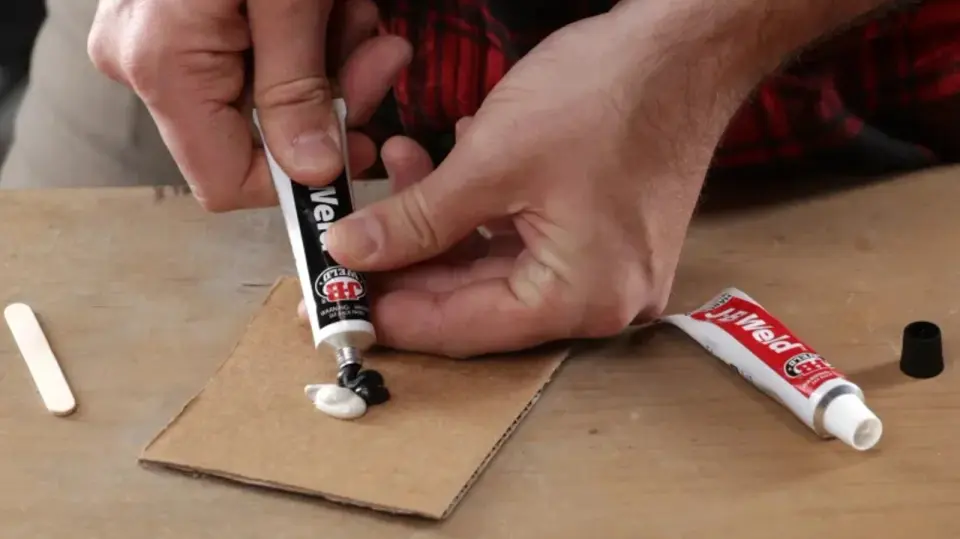
J-B Weld is a two-part epoxy adhesive designed for bonding metal, wood, and concrete, but it is not a substitute for structural welding or food-safe applications. The brand offers specialized variants for marine, high-heat, and fuel-resistant needs.
Key points
- The original J-B Weld formula combines a steel-reinforced epoxy with a hardening agent to create a durable bond for materials like metal, wood, and concrete.
- It is suitable for light automotive patching, carpentry, and plumbing repairs, and can be sanded, shaped, and painted after drying.
- The product is explicitly not intended for flexible or structural applications, such as reattaching a detached muffler, as it lacks the strength of traditional welding.
- J-B Weld is non-toxic but not food-safe, making it unsuitable for plates or containers, and it does not adhere well to plastics, leather, vinyl, or flexible rubber.
- The brand has expanded into a diverse product line including MarineWeld for boats, TankWeld for fuel resistance, and HighHeat for temperatures up to 450 degrees Fahrenheit.
Background
J-B Weld has long been recognized as a strong adhesive option for DIY enthusiasts and professionals seeking a durable bond without the equipment required for traditional welding. While the original formula remains popular for general repairs, the brand has evolved to include specific chemical blends for niche applications, reflecting a broader market demand for specialized bonding solutions.
Why it matters
Understanding the limitations and specific applications of J-B Weld helps consumers avoid failed repairs and safety hazards. Selecting the correct variant, such as TankWeld for fuel lines or HighHeat for exhaust systems, ensures durability and prevents issues like cracking or chemical degradation that can arise from using the wrong product.
What to watch
Consumers are encouraged to read product labels carefully to match the specific J-B Weld variant to their repair needs, ensuring the adhesive’s properties, such as heat resistance or pressure tolerance, align with the intended application.
Want the full story? Read the original reporting
Read on SlashGear