
Guardian’s Filter US Tests Six Smokeless Fire Pits, Crowning Cuisinart Cleanburn as Best Overall
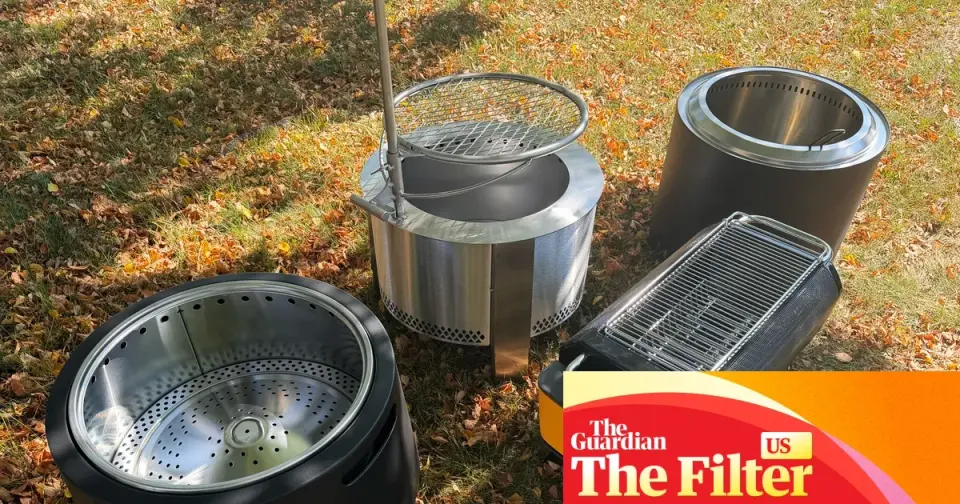
The Guardian’s Filter US team tested six smokeless fire pits in a month-long backyard trial, evaluating smoke levels, heat output, cooking performance, and durability. The Cuisinart Cleanburn emerged as the best overall model, delivering the highest heat at 93.5°F, the longest burn time of one hour, and near-zero visible smoke. The BioLite FirePit+ was named best for cooking due to its rectangular design and integrated fan, while the Breeo Y Series excelled at minimizing smoke but underperformed in heat and cooking. The Tiki Social Smokeless was praised for aesthetics but criticized for high smoke output, and the Solo Stove Bonfire was deemed the safest option despite lower heat. The budget OutVue Fire Pit was rated as an average standard fire pit, not a true smokeless model. Testing used kiln-dried wood, infrared thermometers, and Ringelmann smoke charts to ensure consistency.
Key points
- Cuisinart Cleanburn won best overall with 93.5°F heat, one-hour burn time, and minimal smoke, priced at $250.
- BioLite FirePit+ was best for cooking, featuring a rectangular design, rechargeable fan, and even heat distribution, though it produced more smoke and cost $300–$500.
- Breeo Y Series was best at eliminating smoke, scoring consistently low on smoke charts, but ranked third in heat and struggled with cooking efficiency.
- Tiki Social Smokeless was the best-looking model but produced significant smoke, causing eye irritation, and was the heaviest at 32 pounds.
- Solo Stove Bonfire was the safest option, featuring a heat-dissipating ring stand, but had the lowest heat output at 72.5°F and moderate smoke levels.
- OutVue Fire Pit was the only sub-$100 option but performed like a standard fire pit, emitting high smoke levels and offering poor cooking results.
Background
Smokeless fire pits have gained popularity as consumers seek safer, cleaner alternatives to traditional campfires for backyard use. The technology relies on double-wall construction to create airflow that burns uncombusted particulates, reducing visible smoke. While wildfire concerns in regions like North Texas and Northern California have heightened awareness of smoke and air quality, these products are designed for controlled, residential use rather than emergency response. The Guardian’s Filter US initiative focuses on rigorous, independent testing to help consumers make informed purchasing decisions, avoiding corporate influence.
Why it matters
This review provides practical, data-driven guidance for consumers seeking to enhance outdoor living spaces without the health and safety risks of traditional open fires. By comparing heat output, smoke reduction, and cooking performance across six leading brands, the report helps buyers avoid overpaying for ineffective smokeless claims. It also highlights the trade-offs between aesthetics, functionality, and cost, empowering users to select a fire pit that aligns with their specific needs, whether for cooking, warmth, or visual appeal.
What to watch
Consumers can expect continued innovation in smokeless fire pit technology, with brands likely focusing on improving heat retention, reducing weight, and integrating smart features like battery generation or app-controlled airflow. The Guardian’s Filter US may expand its testing to include new models from emerging brands or re-test top performers under different fuel types, such as charcoal or biochar, to assess long-term sustainability and performance.
Want the full story? Read the original reporting
Read on The Guardian