
OpenAI Revenue Miss Triggers Market Jitters, Prompting Mainstream Analysts to Predict AI Bubble Burst by 2028
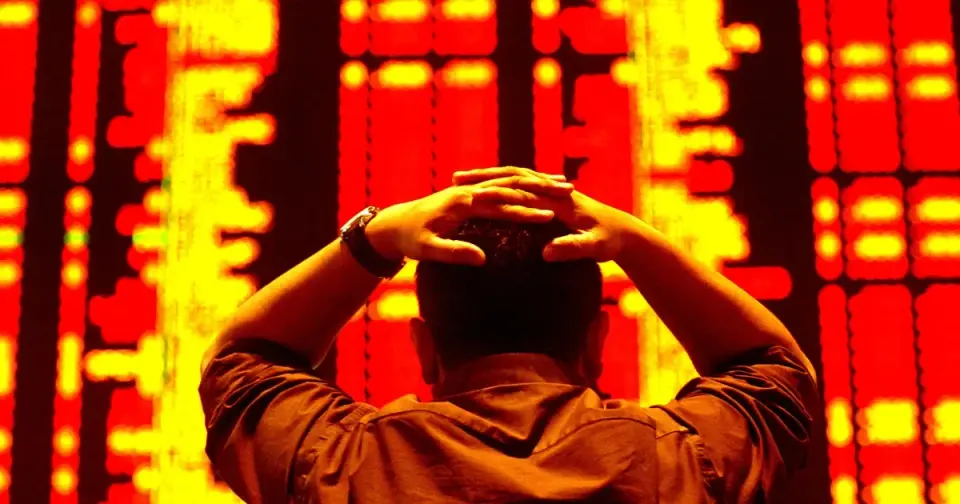
A $20 billion revenue miss by OpenAI caused a brief dip in the Nasdaq, highlighting the fragility of the AI spending boom. While markets recovered quickly, analysts like Joachim Klement of Panmure Liberum argue that current investments in large data centers are misallocated, predicting a bubble burst between 2027 and 2028. Critics note that the market is heavily concentrated in a few tech giants, raising concerns about systemic risk if AI growth slows.
Key points
- OpenAI missed its annual revenue goal by $20 billion, causing the Nasdaq to fall 1.25% before recovering the next day.
- Joachim Klement, a research analyst at Panmure Liberum, stated on Bloomberg TV that the AI bubble will likely burst in 2027 or 2028.
- Klement argues that capital is being over-invested in resource-intensive frontier models in data centers, rather than smaller, local models.
- The total value of interconnected hyperscalers is estimated between $22 and $25 trillion, with many now relying on debt to fund infrastructure.
- The S&P 500 is increasingly dominated by tech companies, with AI-related stocks making up the majority of the index.
Background
This development follows earlier warnings from Ray Dalio in October 2026, who cautioned that rising interest rates and debt-fueled AI spending were creating a fragile financial structure. Dalio noted that while tech valuations were at record highs, the cost of capital was increasing, potentially triggering a market correction.
How outlets are covering it
Futurism highlights the fragility of the AI boom, citing OpenAI's revenue miss and Klement's prediction that the current focus on large data centers is a misallocation of resources. A Wealth of Common Sense emphasizes the historical parallels to the dot-com bubble, noting that the market is heavily concentrated in a few tech giants and that forward PE ratios for Nvidia are falling, which some see as a sign of caution rather than a bubble. Yahoo Finance, while largely obscured by technical errors, suggests that retail investors are buying high despite spiking bubble warnings, indicating a divergence between institutional caution and retail optimism.
Why it matters
The AI sector is now a central driver of the US economy, with trillions of dollars in infrastructure investments. A slowdown in AI spending could have widespread economic consequences, affecting not just tech but the broader supply chain. The concentration of market cap in a few companies increases systemic risk, making the potential for a sharp correction a significant concern for investors and policymakers.
What to watch
Investors will watch for revisions in growth plans and earnings outlooks for major AI companies. If growth slows, it could trigger a broader market correction. The debate over whether the current spending is a bubble or a transformative innovation will continue, with analysts and retail investors holding divergent views.
- Mainstream News Anchors Now Talking About the AI Bubble Bursting at Any Moment Futurism
- We’re Nearing Point Where AI Bubble Could Burst, Billionaire Ray Dalio Says Forbes
- The Biggest Risk Everyone Already Knows About A Wealth of Common Sense
- Bubble warnings are spiking. But bullish retail investors are buying the high. Yahoo Finance
- AI Bubble Risks Worst S&P 500 Crash Since 2008, Strategist Says Bloomberg.com
Want the full story? Read the original reporting
Read on Futurism