
CDs Resurge as Listeners Reject Algorithmic Fatigue and Seek Tangible Music
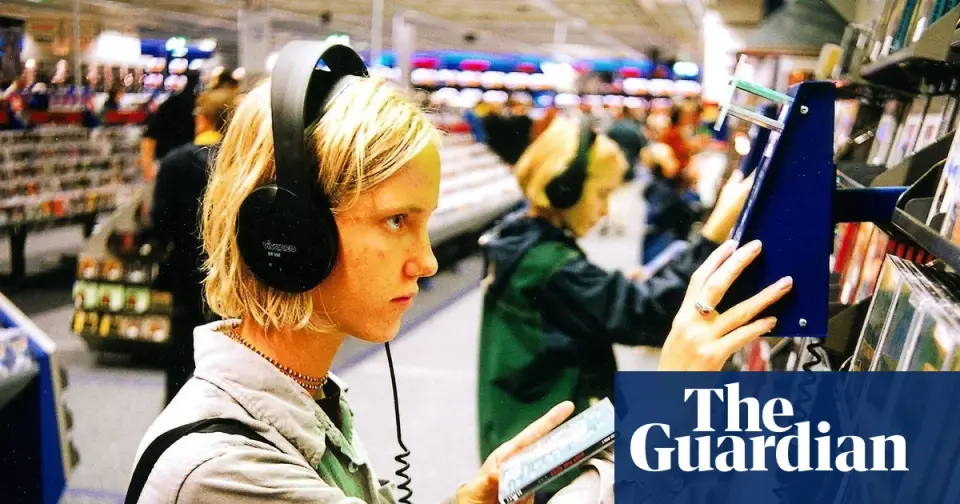
CDs are experiencing a significant resurgence in 2026, driven by consumer dissatisfaction with algorithmic streaming and a desire for tangible, intentional listening experiences. Sales and search interest have risen sharply, with some reports citing a 16% increase in sales and a 96% jump in CD player searches. While vinyl remains popular, many users are shifting back to CDs for their durability, cost-effectiveness, and resistance to AI-driven playlists. This trend spans generations, from lifelong collectors to younger consumers seeking a break from digital ephemeralism.
Key points
- John Lewis reported a 96% increase in searches for CD players since July 2026, while other industry reports indicate CD sales are up 16% this year.
- A 2025 Consumer Reports study found that 45% of Americans still listen to CDs, with one in five continuing to listen to vinyl records.
- Listeners cite the 'paradox of choice' in streaming as a primary driver for returning to physical media, preferring the curated nature of album-based listening over algorithmic recommendations.
- CDs are perceived as more durable and cost-effective than vinyl, with some users noting that CDs are cheaper and less prone to damage than fragile vinyl records.
- New hardware options, including the Lola portable CD player and high-end models from Arcam and Marantz, are fueling renewed interest in the format across different price points.
Background
This resurgence follows a broader 2026 trend where listeners are increasingly favoring older music over new releases, with approximately 60% of streams in the UK and US coming from tracks released five or more years ago. This shift has been attributed to nostalgia and algorithmic biases in AI-driven playlists, which have led to a decline in the consumption of current music and raised concerns for emerging artists. Additionally, recent technical glitches in recommendation algorithms, such as the over-promotion of Creed's 1999 hit 'Higher' on Instagram, have further eroded trust in automated music discovery systems.
How outlets are covering it
The Guardian highlights the personal and emotional connection listeners have with CDs, emphasizing the ritual of selecting and playing discs as a more satisfying experience than streaming. It notes that many users prefer CDs for their durability and the ability to own music permanently, unlike streaming which is described as 'renting' music. NBC News focuses on the practical aspects of the CD revival, testing the Lola portable CD player and noting its appeal for those seeking a nostalgic, intentional listening experience. It acknowledges that while the player is not ideal for convenience, it offers a break from the automated nature of streaming. What Hi-Fi? emphasizes the technical and audio quality aspects of the CD revival, noting the availability of new, high-quality CD players and the format's enduring appeal among audiophiles. It contrasts the CD revival with the vinyl trend, suggesting that CDs offer a more practical and cost-effective alternative for those who value physical media but are deterred by the higher costs and fragility of vinyl.
Why it matters
The CD resurgence signals a growing consumer backlash against the algorithmic and ephemeral nature of streaming services, reflecting a broader desire for control, tangibility, and intentional engagement with music. This trend could impact the music industry by driving demand for physical media sales and new hardware, potentially influencing how artists and labels release and market their music. It also highlights the limitations of AI-driven recommendation systems, which have led to user dissatisfaction and a return to more traditional, curated listening experiences.
What to watch
Expect continued growth in CD sales and the development of new, user-friendly CD players as manufacturers respond to rising demand. The music industry may see a shift in how albums are packaged and released, with a greater emphasis on physical media and bonus content to appeal to collectors. Additionally, there may be increased scrutiny of algorithmic recommendation systems, with users and platforms seeking more transparent and less automated approaches to music discovery.
Want the full story? Read the original reporting
Read on The Guardian