
Halloween 2026 Shifts from Sexy Aesthetics to Grotesque and Niche Humor
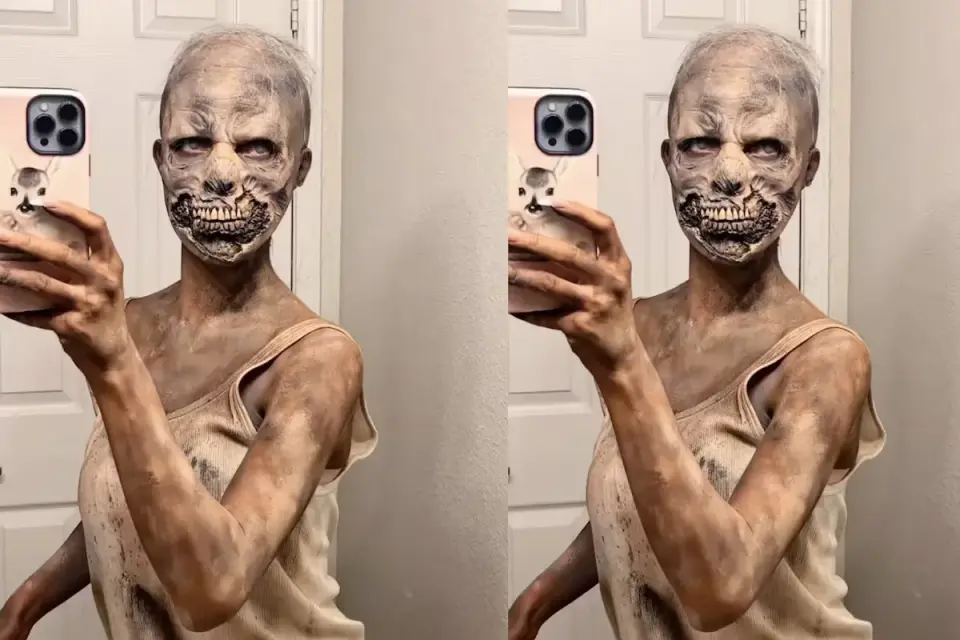
Halloween 2026 marks a distinct departure from the 'hot Halloween' trend, with a resurgence of grotesque, scary, and niche costumes. Makeup artists report a shift toward textured, messy, and frightening looks, while 'Gay Halloween' influences prioritize obscure references over sexualized aesthetics. The focus has moved from being seen as attractive to embracing the original spooky and humorous roots of the holiday.
Key points
- The 'hot Halloween' trend, characterized by sexy costumes like Sanderson sisters or Lara Croft, is fading as social media pressure to look attractive gives way to a desire for genuine spookiness.
- Makeup artists Abby Roberts and Emily Wood note a rise in 'adventurous' techniques, including prosthetics, smudged textures, and odd color combinations that prioritize mood over polished character recognition.
- Creators are embracing 'ugly' or 'goofy' costumes, citing examples like the Lorax, Mr. Bobinsky from Coraline, and Bubble Head Nurses from Silent Hill, which rely heavily on special effects makeup.
- The 'Gay Halloween' movement is influencing mainstream trends by favoring niche, confusing references over sexualized outfits, such as a viral costume based on Victoria Beckham's biker jacket from a Netflix documentary.
- Experts advise that while perfection is not required, using smudged greys, lilacs, and washed-out tones can create an instantly ghostly effect, while silly costumes remain a viable alternative for those avoiding scary looks.
Background
Halloween's origins lie in the Celtic holiday of Samhain and Christian All Hallows' Eve, where dressing up was intended to disguise or protect against spirits crossing the veil between the living and the dead. The tradition originally emphasized grotesque appearances to ward off evil, a concept that has recently regained popularity after years of 'hot Halloween' dominance.
Why it matters
This shift reflects a broader cultural move away from algorithmic validation and sexualized presentation on social media, favoring authenticity, humor, and the original protective intent of the holiday. It indicates a change in how people engage with seasonal traditions, prioritizing creative expression and genuine fright over performative attractiveness.
What to watch
Expect continued growth in special effects makeup and niche costume references. As accessibility to makeup techniques improves, more individuals may experiment with prosthetics and textured looks, further distancing the holiday from its previous focus on sexualized aesthetics.
Want the full story? Read the original reporting
Read on Dazed